
Japan

Tailor-Made Trip


Best Time to Visit:
Spring, Autumn, Winter

Accommodation:
Hotels and Traditional Ryokans

Highlights:
Culture, Gastronomy and Nature

Price Level:
€€€€

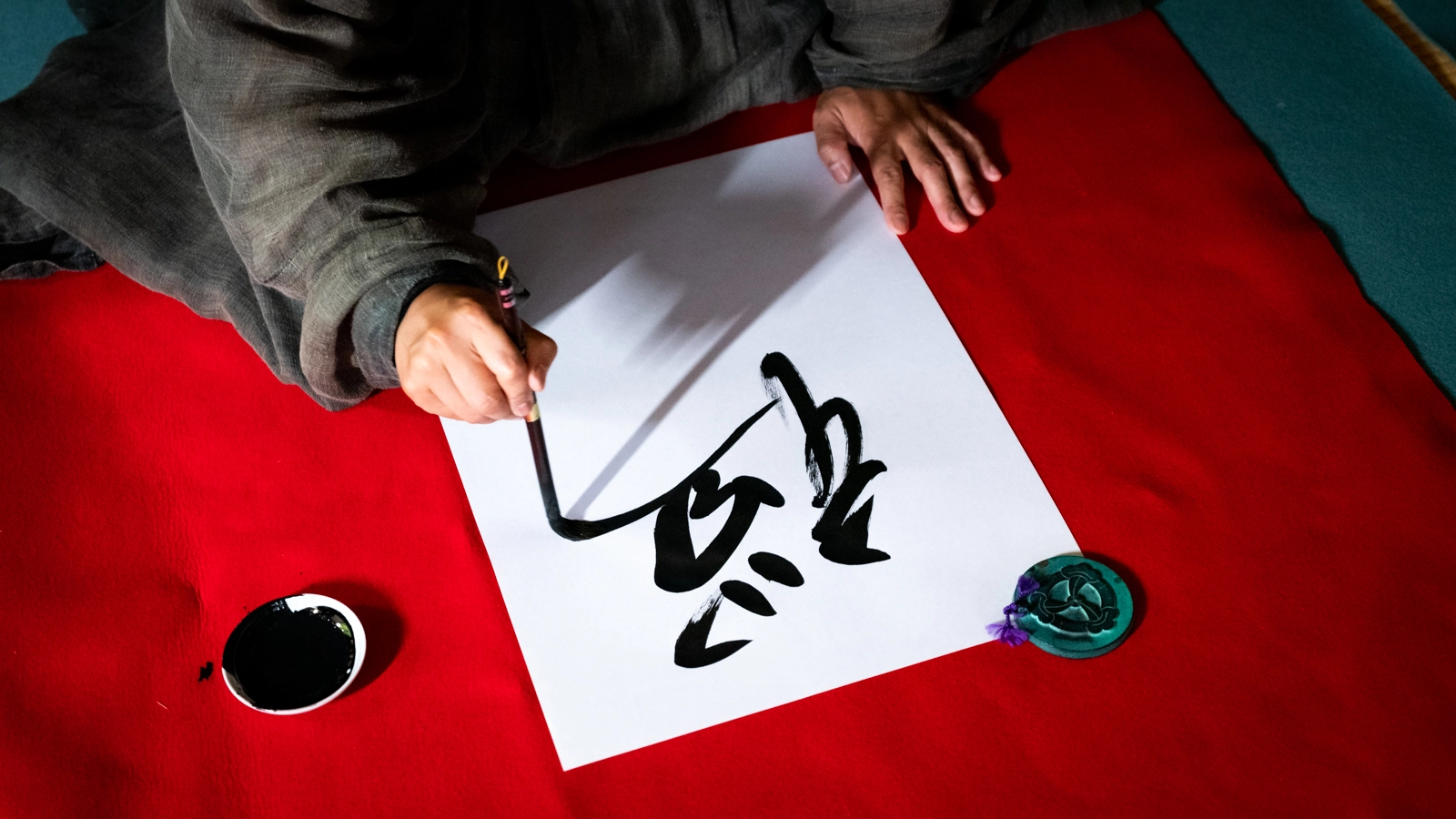
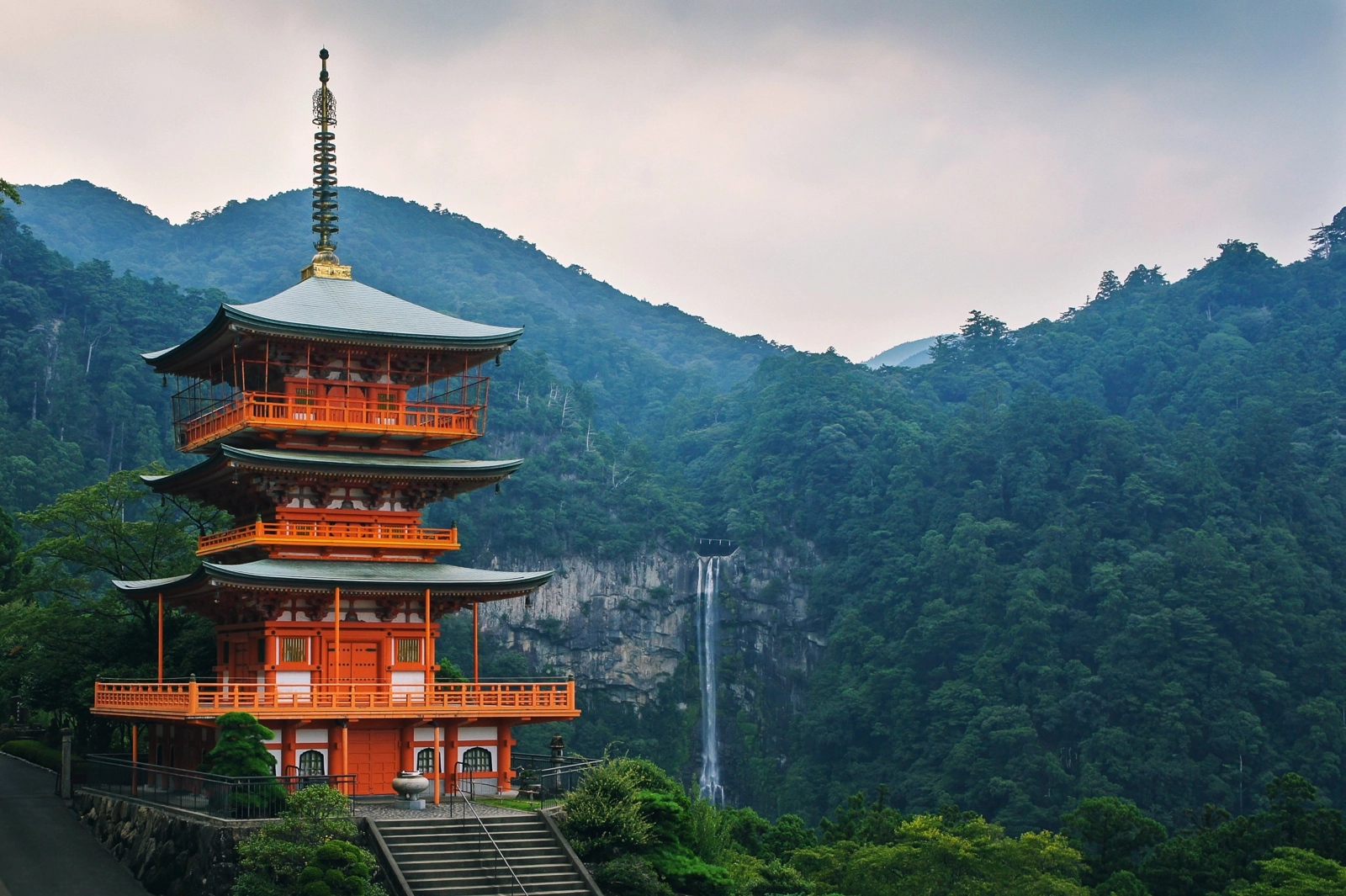
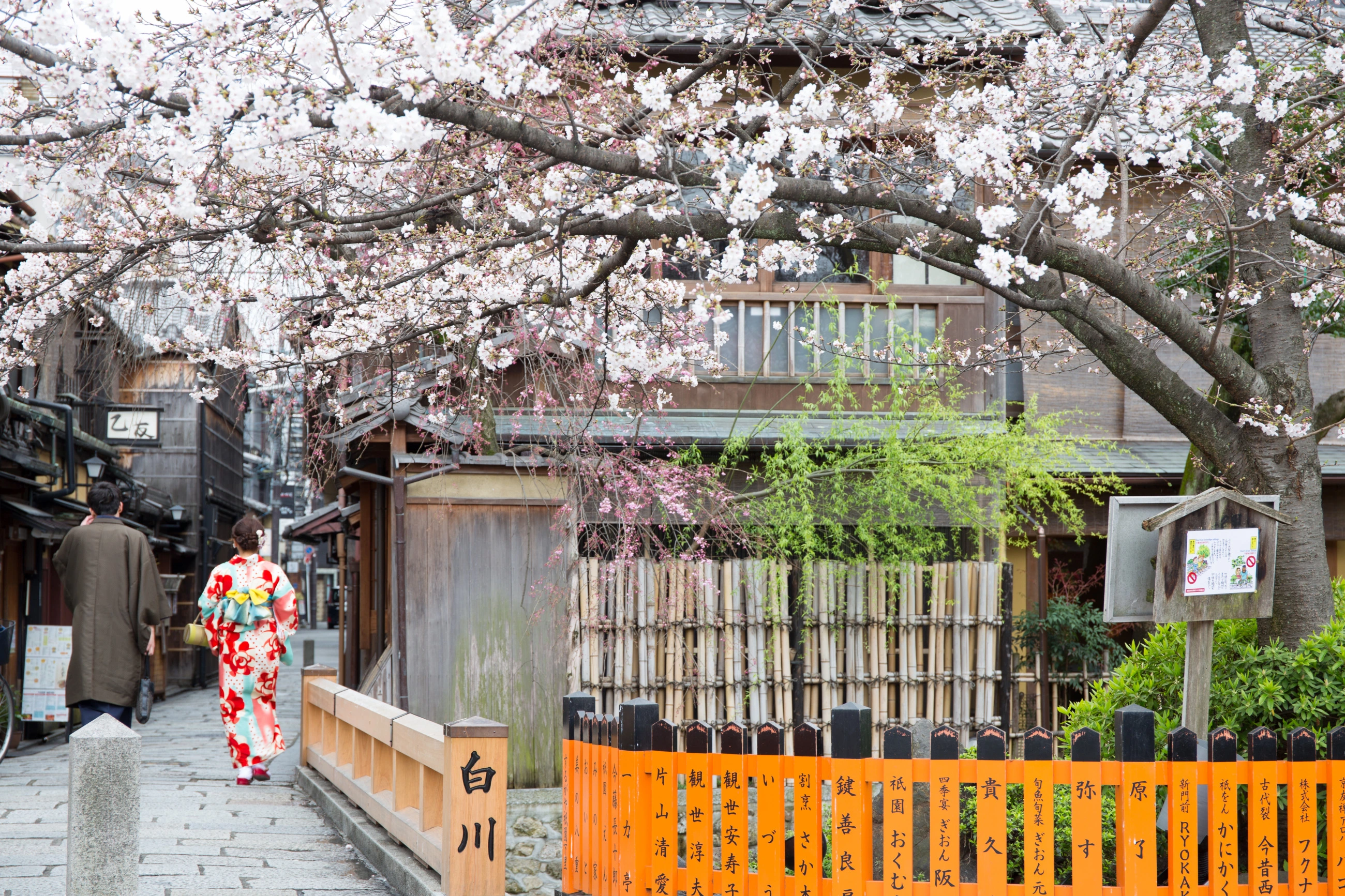
In Japan, aesthetics are not hidden away in galleries. They are present in the white gloves worn by Tokyo taxi drivers, in the way a chef places a slice of sashimi on a dish, or in the way a gardener at Ryoan-ji patterns the sand into identical shapes every morning. Lifelong devotion to a single craft, Shokunin kishitsu, is not unusual here. You will come across it in a Michelin-starred restaurant in Tokyo and in Sakai, where traditional knives are made with the same care as they have been for centuries. Come to Japan in spring, when cherry blossoms turn parks into paintings, or in autumn, when maples and other deciduous trees change into a palette of colours. During the winter months, you can enjoy snow in the Japanese Alps or on the northern island of Hokkaido and spend time at traditional winter festivals. Japan changes with every season, but the principle of Shokunin kishitsu remains.
What to See and Do in Japan

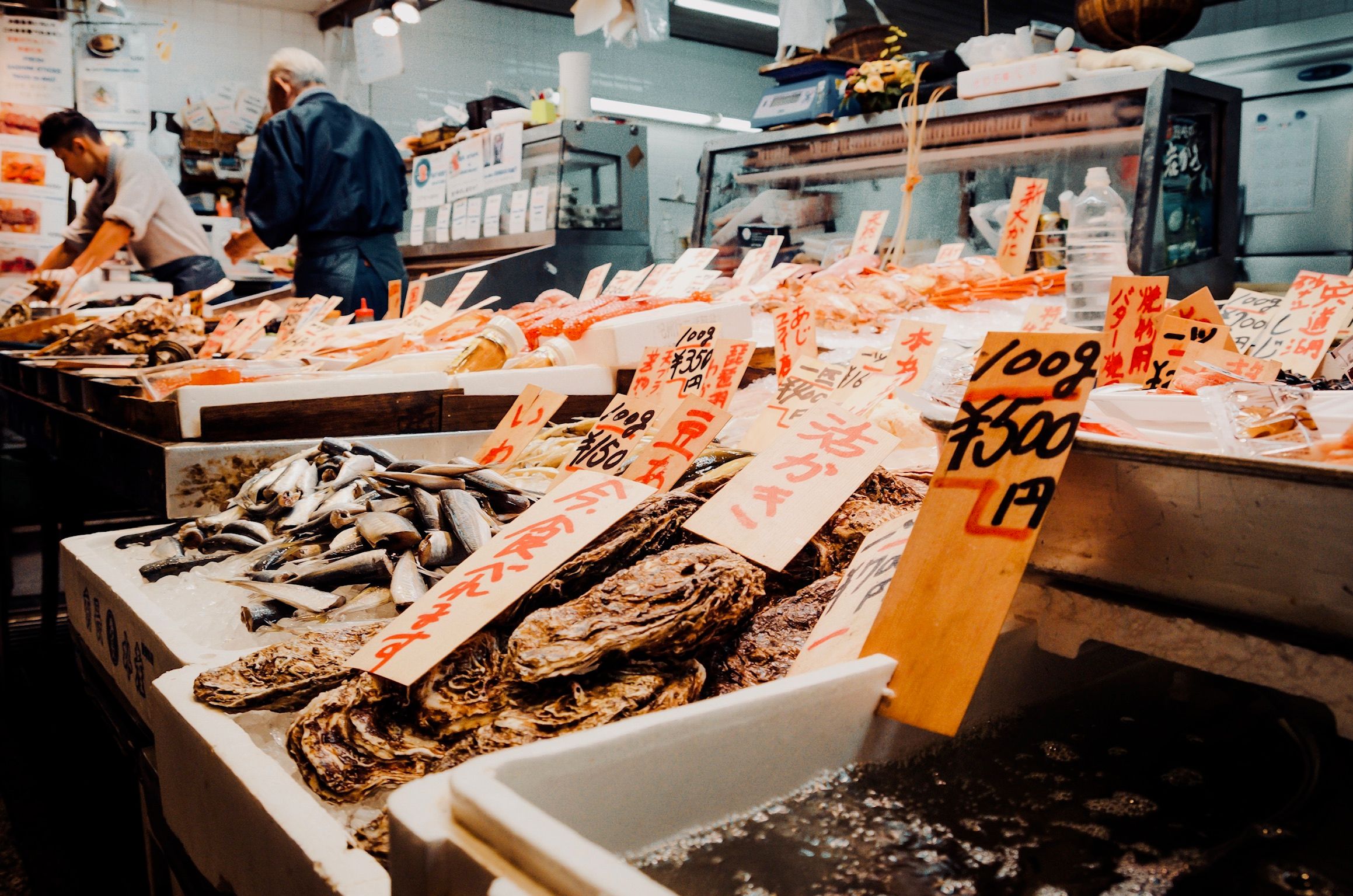
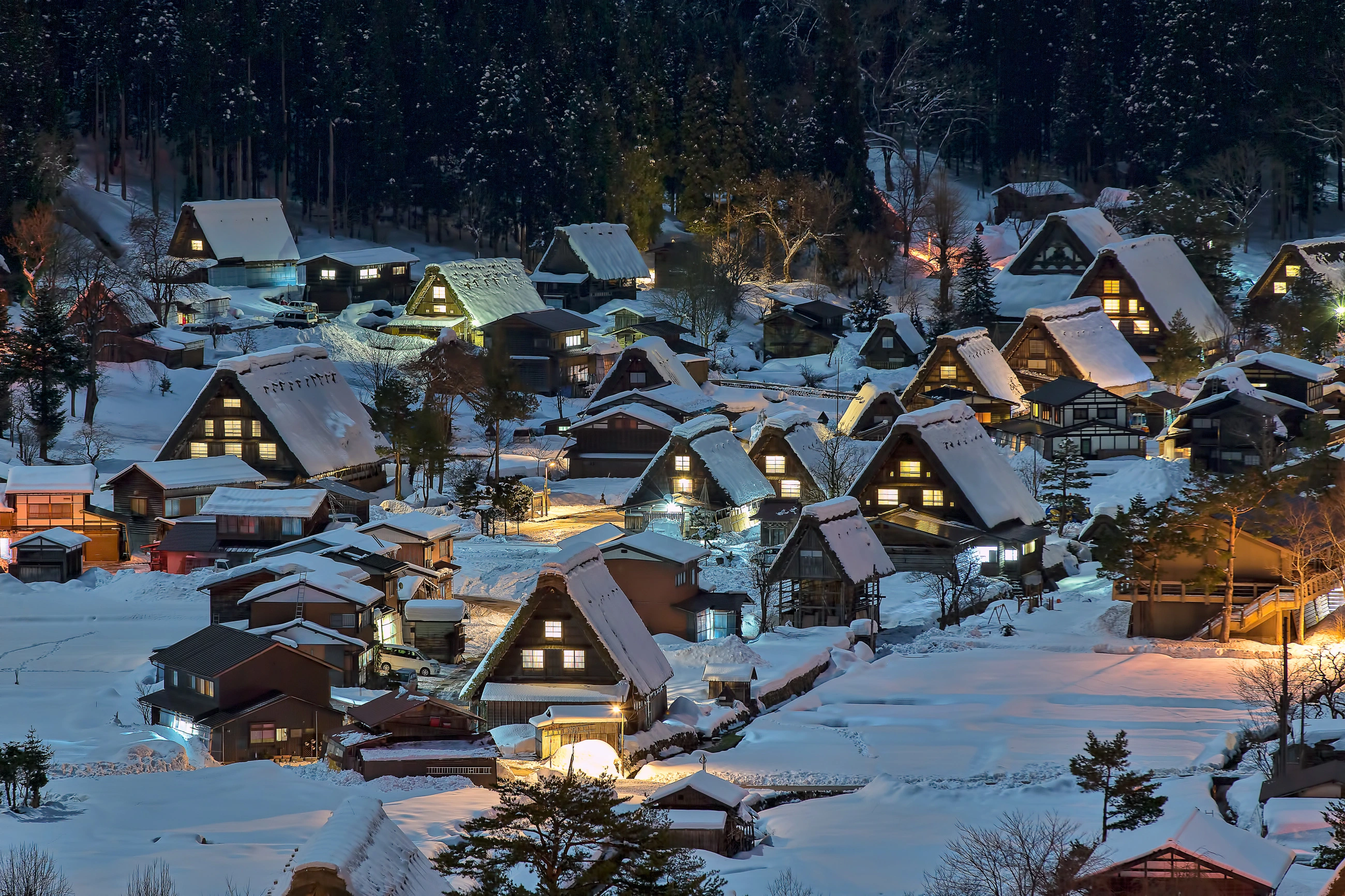
Walk through a tunnel of thousands of orange torii gates to the Fushimi Inari shrine in Kyoto or climb to the summit of Mount Fuji in summer. Take the old Nakasendo road between Magome and Tsumago through cedar forests and bamboo groves, or in winter watch macaques immersed in the hot springs of Jigokudani. Visit the art island of Naoshima, with the yellow pumpkin by Yayoi Kusama and the underground Chichu museum, watch the tuna auction at Tokyo's Toyosu market or soak in an onsen in Kusatsu, where the water is traditionally cooled in a ceremony called yumomi.


Places with soul
Yanaka - Tokyo

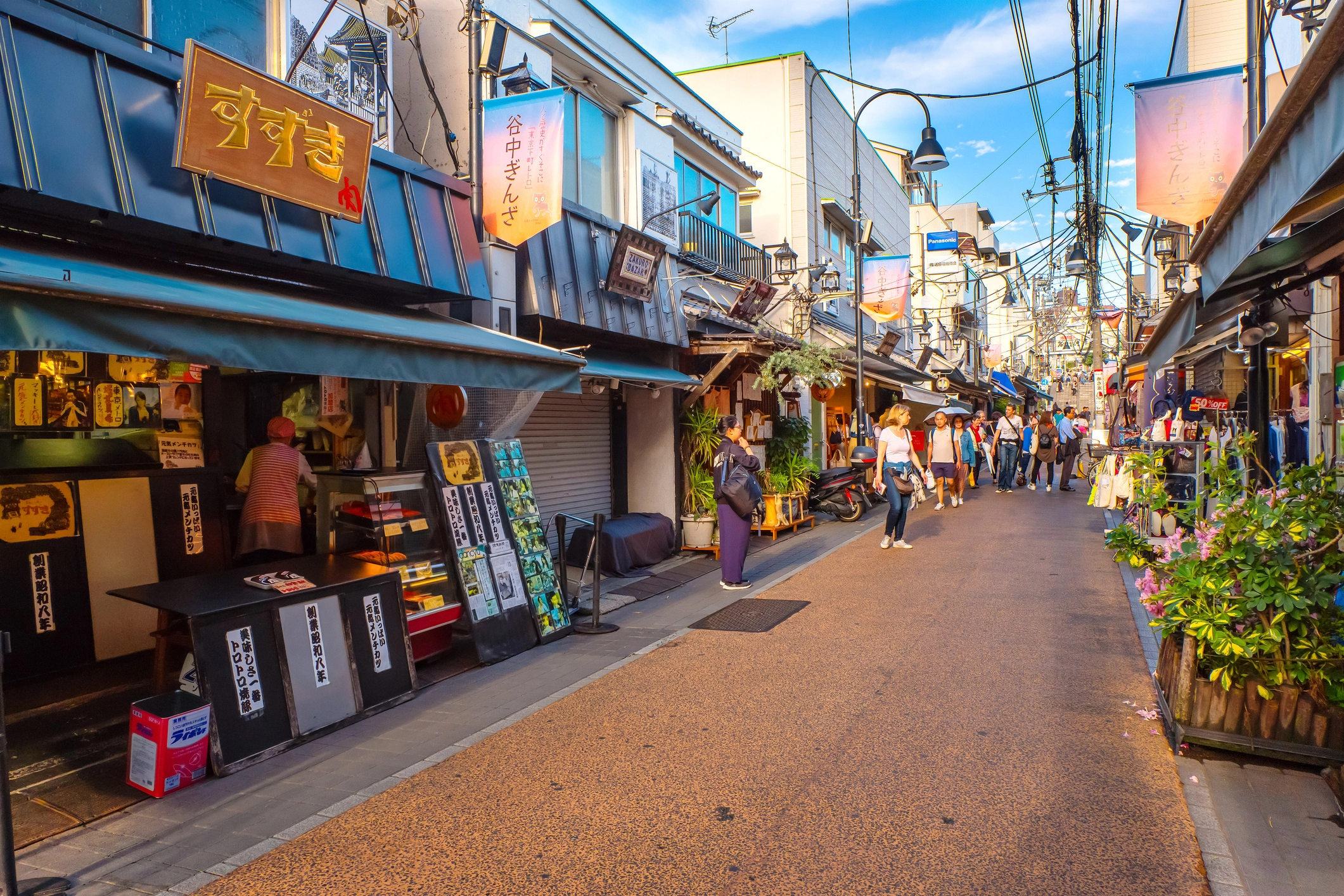
Yanaka survived the 1923 earthquake and the bombing during the Second World War, which makes it one of the few places in Tokyo with original wooden buildings. The district lies in north-eastern Tokyo, in the Yanesen area, and the number of Buddhist temples here is one of the highest in the city. You will walk down the Yuyake Dandan steps to Yanaka Ginza, a 170-metre-long shopping street where butchers, fishmongers and confectioners trade in Showa-era premises. In April, Sakura-dori leads you under a canopy of blossom to the gates of the area's notable cemetery. Yanaka has the unofficial nickname neko-machi (cat district), because cats sit on the cemetery walls and in shop windows all along Ginza.

Shiretoko

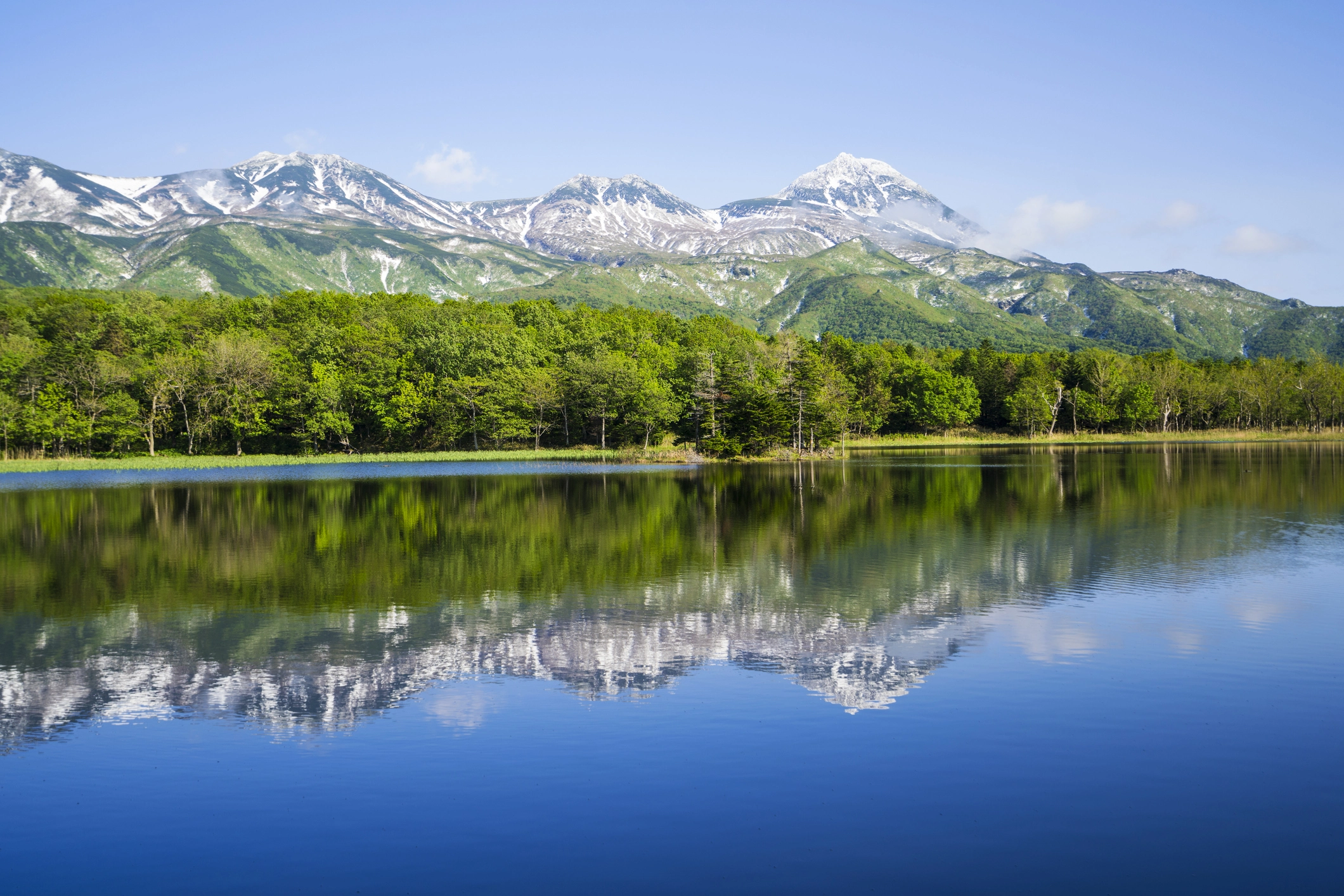
In the Ainu language, Shiretoko means approximately "the end of the earth". The peninsula extends from north-eastern Hokkaido into the Sea of Okhotsk for approximately 65 kilometres, and its northern part has no roads and is accessible only by boat or on foot. In 2005, UNESCO inscribed Shiretoko on the World Heritage List as one of the few Japanese sites that include a protected marine area. From January to March, drift ice arrives at the coast. In autumn, salmon head up the local rivers, and brown bears and Steller's sea eagles (a species of eagle) appear by the water at that time. Boats set out from the port of Rausu to watch orcas. Shiretoko is therefore one of the last places in Japan where nature rules entirely instead of people. Experiencing this region first-hand is a truly unique experience.

Ginzan Onsen

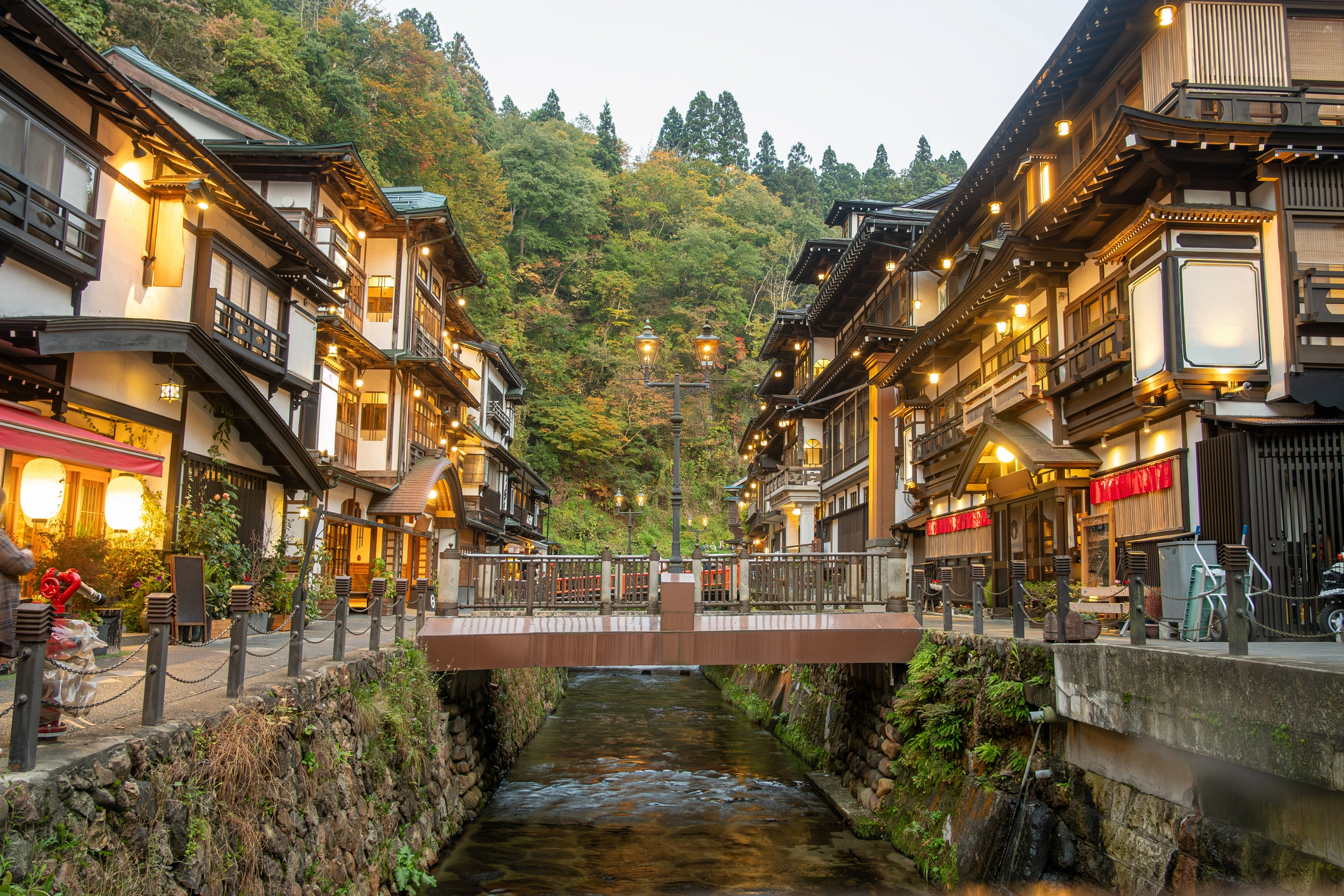
Gin-zan does not mean spa in translation, but silver mountain. Ginzan Onsen lies in a mountain valley in Yamagata Prefecture. A mountain spring was discovered here in the Edo period, when silver mines operated in the surrounding mountains. Today, a row of multi-storey wooden ryokans (traditional Japanese hotels) from the Taisho era (1912–1926) stands along the Ginzan-gawa river, and their facades survived the whole of the 20th century without major reconstruction. In the evening, you will cross a small stone bridge, and gas lamps will light the facades reflected in the river. In the morning, a forest trail awaits you, leading to the Shirogane-no-taki waterfall above the spa. In winter, steam from the thermal springs hovers over the river and snow covers the roofs of the ryokans.

Naoshima

The Chichu Art Museum has not a single window with a view outside, yet Monet's Water Lilies, displayed in its rooms, are lit exclusively by natural daylight. Naoshima is a small island in the Seto Inland Sea, which the Fukutake Foundation has been systematically transforming into an open gallery since 1992. Besides the Chichu Art Museum, the renowned architect Tadao Ando designed the Benesse House Museum and the Lee Ufan Museum here, each set into the slope so as not to disturb the panorama of the bay. In the Honmura district, you will walk through the Art House Project, where old fishermen's houses serve as permanent installations of contemporary art. On the harbour pier, Yayoi Kusama's yellow dotted pumpkin awaits, the unofficial symbol of the island.


Experiences that make sense

Keiko – Morning Sumo Training in Ryogoku

Training begins in the dark, when most of Tokyo is still asleep. Ryogoku lies on the eastern bank of the Sumida River, and its surrounding streets are home to a number of heya (sumo stables), where the daily rhythm of sumo has been kept for centuries. Keiko (morning training) follows strict unwritten rules: visitors sit on the floor and stay silent. You arrive at dawn, settle along the wall and watch the rikishi (wrestlers) repeat shiko (squats with a full foot stomp) dozens of times before moving on to the first bouts in the dohyo (clay ring). At the end of training, the surface of the ring is smoothed flat with a wooden pole, and hardly anyone would notice that any training had taken place at all.

Dashi Workshop

Japanese cuisine is built not on sake or wasabi, but on a stock that you cannot identify in a dish, yet notice immediately when it is missing. Dashi (basic stock) forms the flavour base of miso soup, ramen, tamagoyaki (rolled omelette) and most sauces, yet it consists of only two to four ingredients. At the workshop, you will learn to work with kombu (sun-dried seaweed) and katsuobushi (thin flakes of dried and fermented bonito) and to understand why a single degree of water temperature decides the result. Tasting ichiban dashi (first brew) next to niban dashi (second brew) is one of the most convincing proofs that Japanese cuisine is built not on complexity, but on precision.

The Art of Hocho

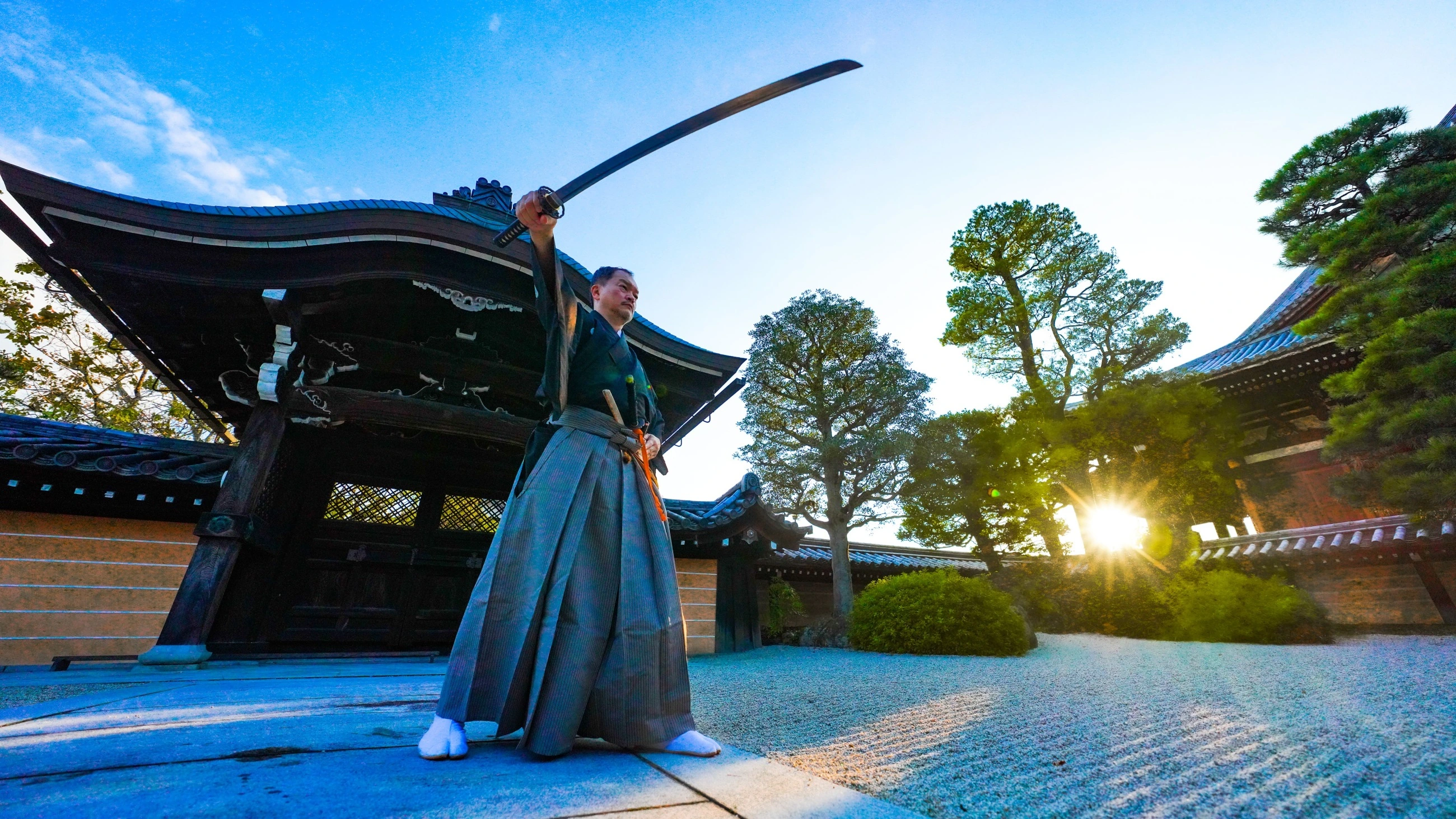
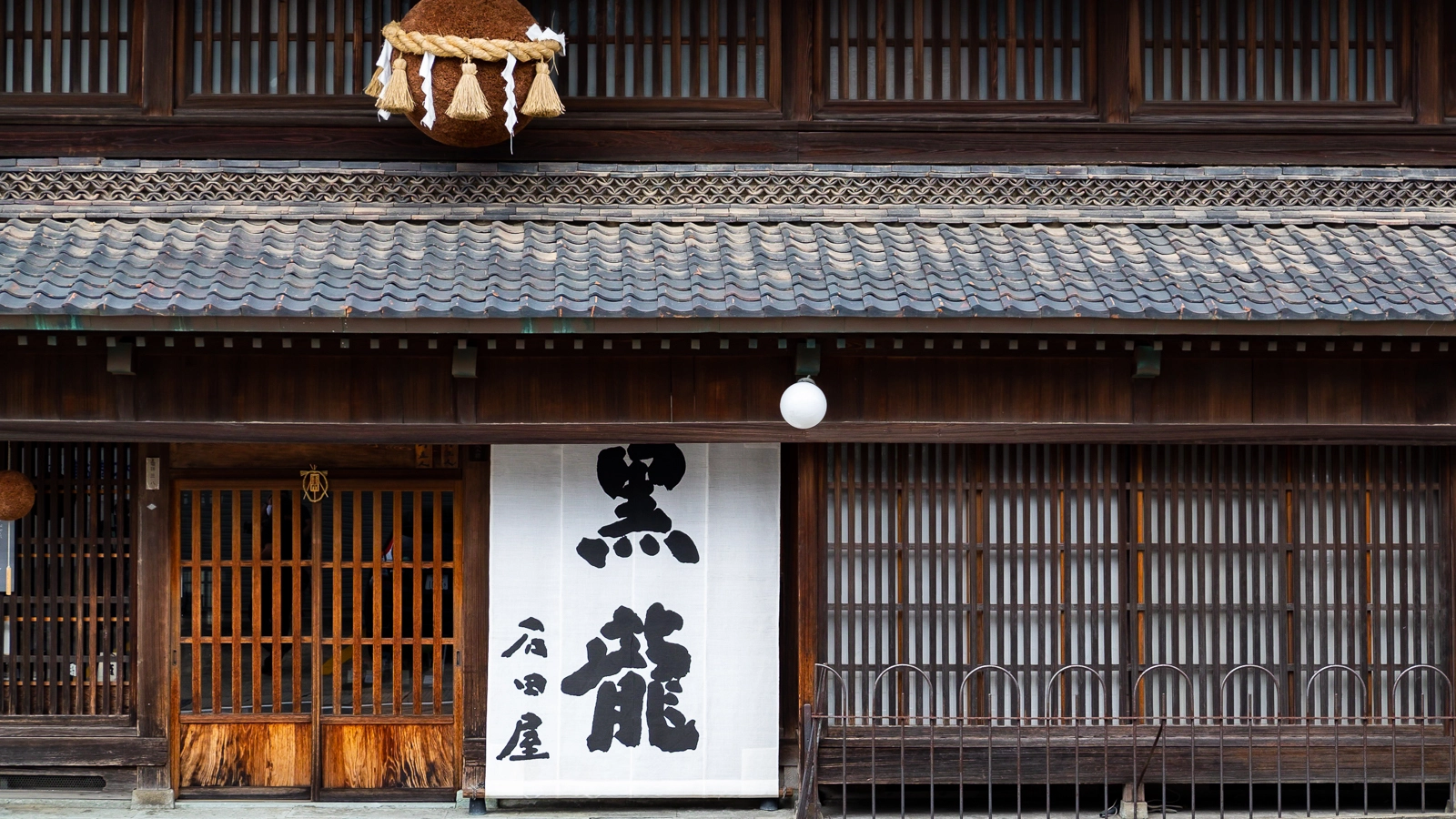
In Sakai, one knife is not made by one person. A blacksmith (kaji-ya) forges the blade, a sharpener (togi-ya) sharpens it and a third craftsman fits the handle. This division of labour has lasted since the 16th century, when local tobacco knives received the Sakai Kiwame seal from the Tokugawa shogunate. During the long peace under the Tokugawa, demand for katana fell, and blacksmiths transferred their forging and sharpening techniques to kitchen blades, hocho (kitchen knives). To this day, 98% of the professional knives used by Japanese chefs come from workshops in Sakai on Osaka Bay. In a small forge, you will smell the smoke from the furnace, hear the strike of the hammer and weigh in your hand a blade engraved with the master's name.


Premium Accommodation

Hakone Retreat

Hakone Retreat före & villa 1/f is located in the Sengokuhara forest complex in Hakone National Park, approximately 90 minutes from Tokyo. The resort offers two distinct types of accommodation: villas with their own outdoor onsen bath in nature, which offer different types of chalets and different rooms, and modern Nordic-style rooms in the före part with a shared thermal bath overlooking the forest. Dining is provided by two restaurants, traditional kaiseki at the Hyoseki restaurant and wood-fired grilled cuisine at WOODSIDE dining, complemented by a café & lounge and an outdoor terrace. The complex also includes the könoha spa.

Japan Awaits. Shall We Go?

Every journey is different, just as every one of our clients is different. At Meraki, we know that well, which is why we approach every enquiry individually, with a single goal: to meet your expectations down to the last detail.

Plan your trip

Let's plan your dream holiday together!

We would be happy to meet with you to design and fine-tune every detail of your itinerary to suit your wishes, destination or season.

  • Individual tour
  • Group tour

By submitting the form you agree to the processing of your personal data for the purpose of responding to your enquiry. More about GDPR here.