
Thailand

Tailor-Made Trip


Best Time to Visit:
December – March

Accommodation:
Hotels

Main Highlights:
Temples, cuisine and beaches

Price Level:
€€

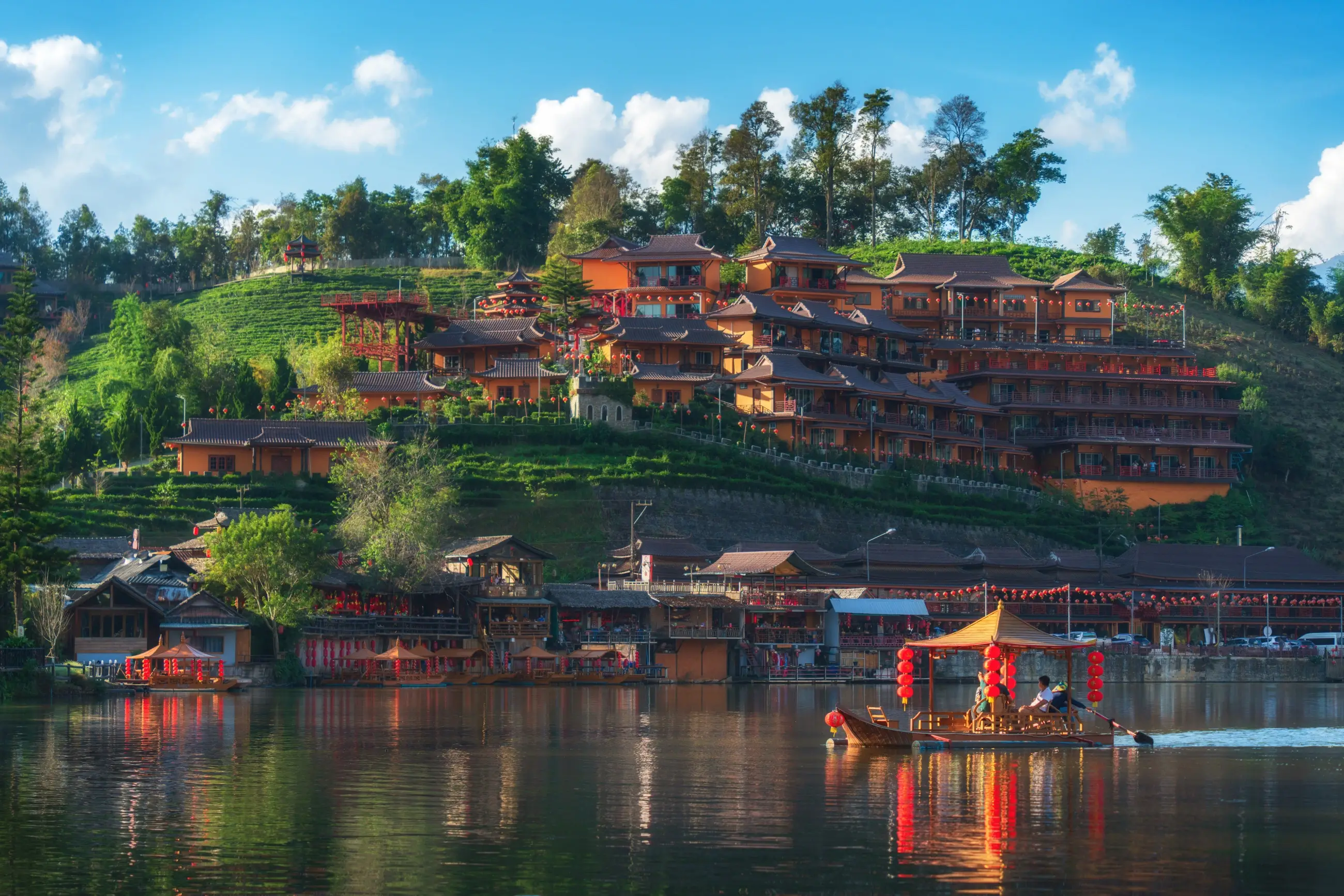
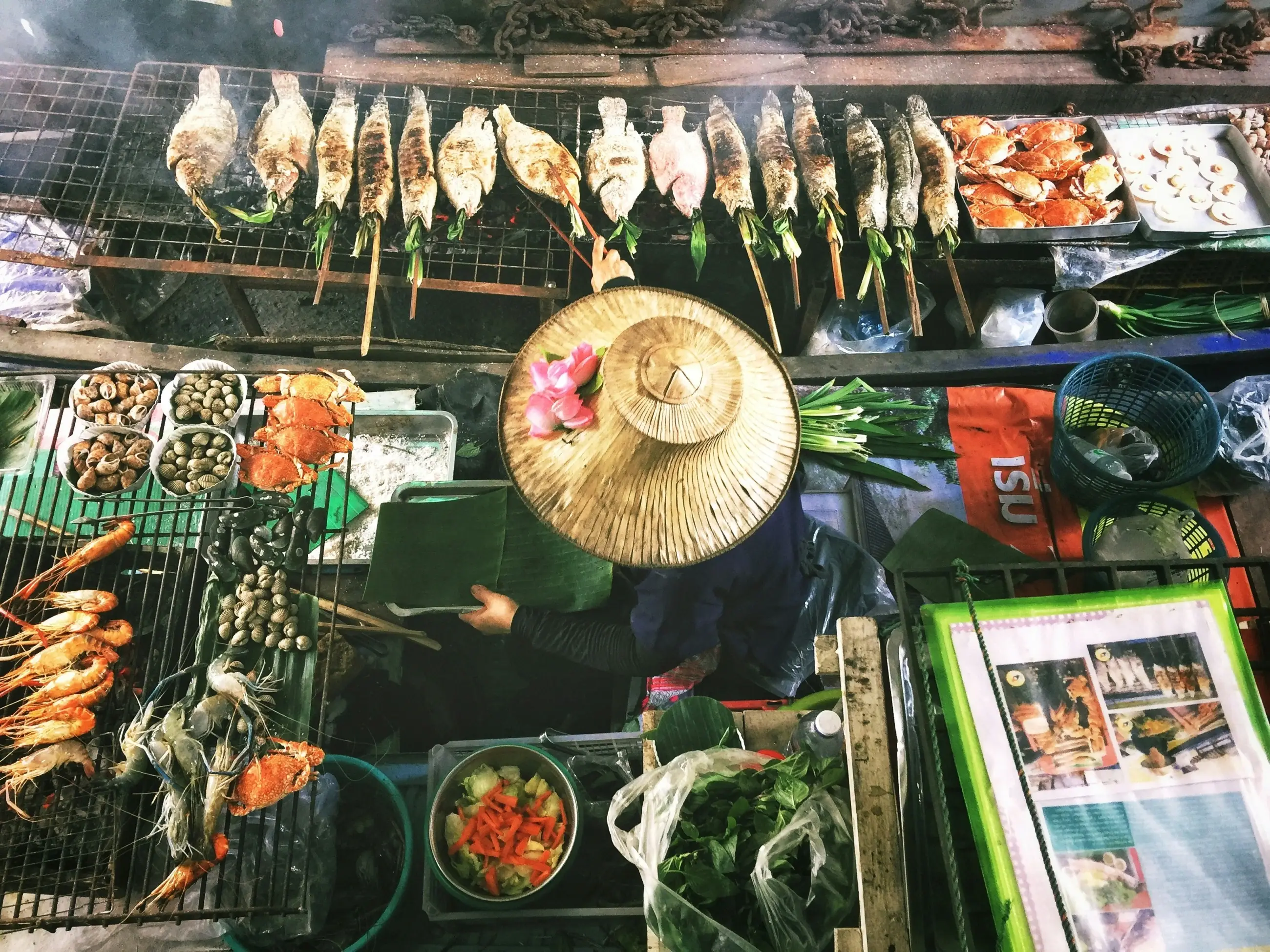
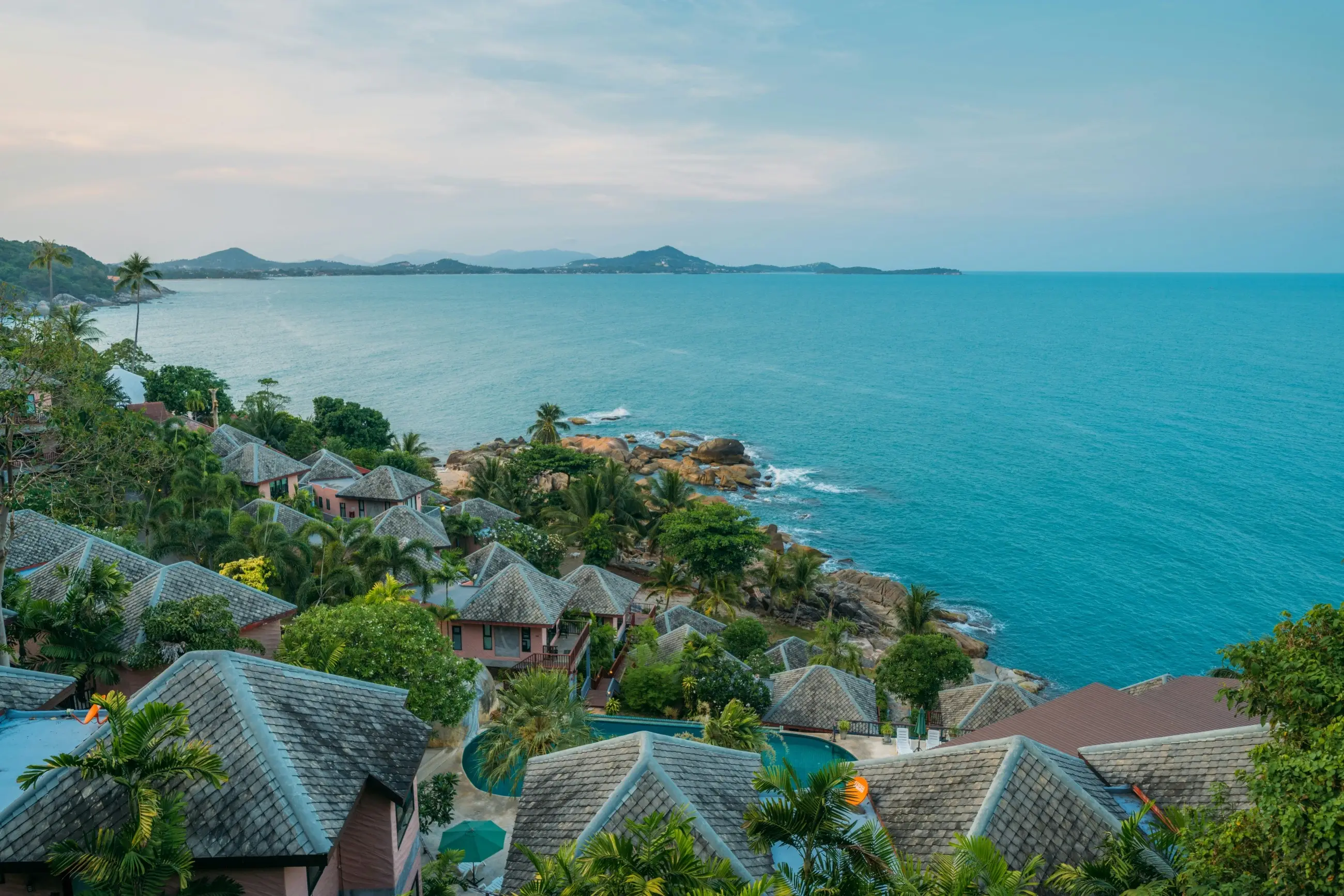
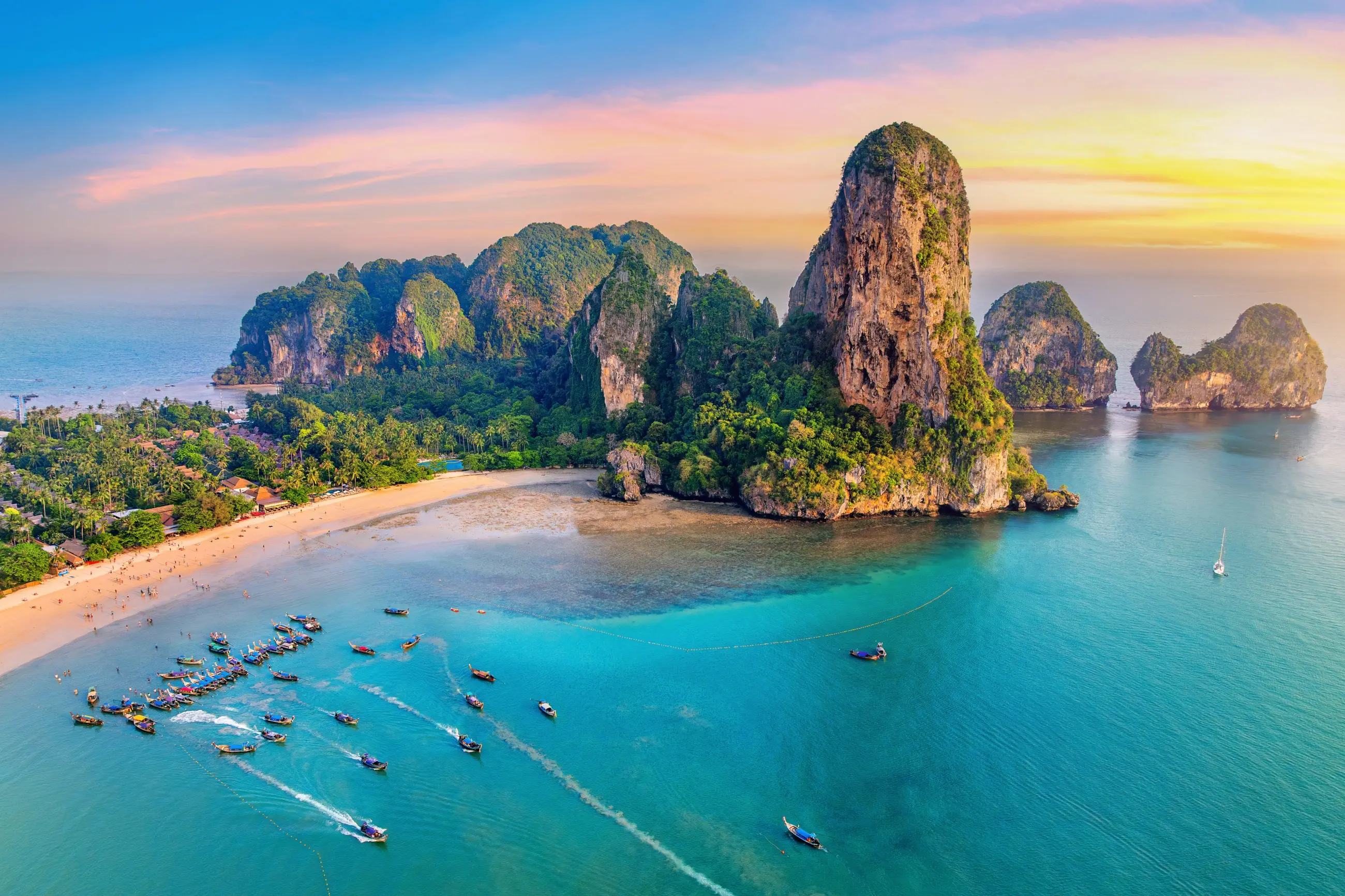
From the misty mountains on the border with Myanmar and Laos, the landscape descends to the turquoise waters of the Andaman Sea, spanning fifteen degrees of latitude. In the north near Chiang Rai, the Ruak and Mekong rivers meet at the village of Sop Ruak in the Golden Triangle, once home to opium poppy cultivation and now to hill tribes. Bangkok stands on the Chao Phraya River, and less than an hour from the city, the Damnoen Saduak floating market moves along the canals with fruit vendors on boats. In April, the country celebrates Songkran, the water New Year festival, when the streets turn into one big water fight for three days. On your plate you will find a spicy green papaya salad, som tam, as well as sweet sticky rice with mango. Go diving at the Similan Islands, set off on a trek into the hills around Chiang Rai, sail between the limestone cliffs of Koh Phi Phi, and explore the night markets with their street food.
What to see and do in Thailand

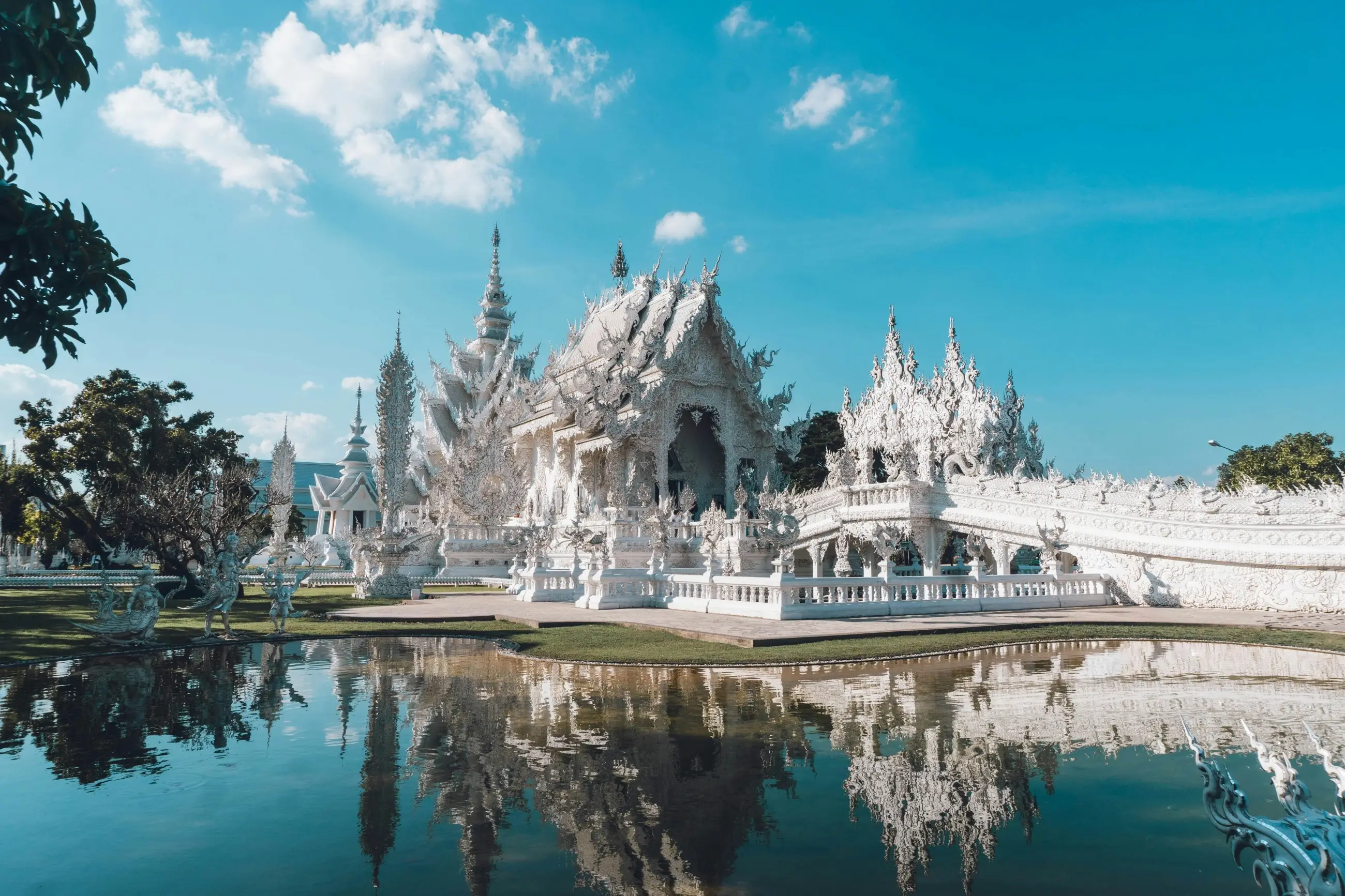
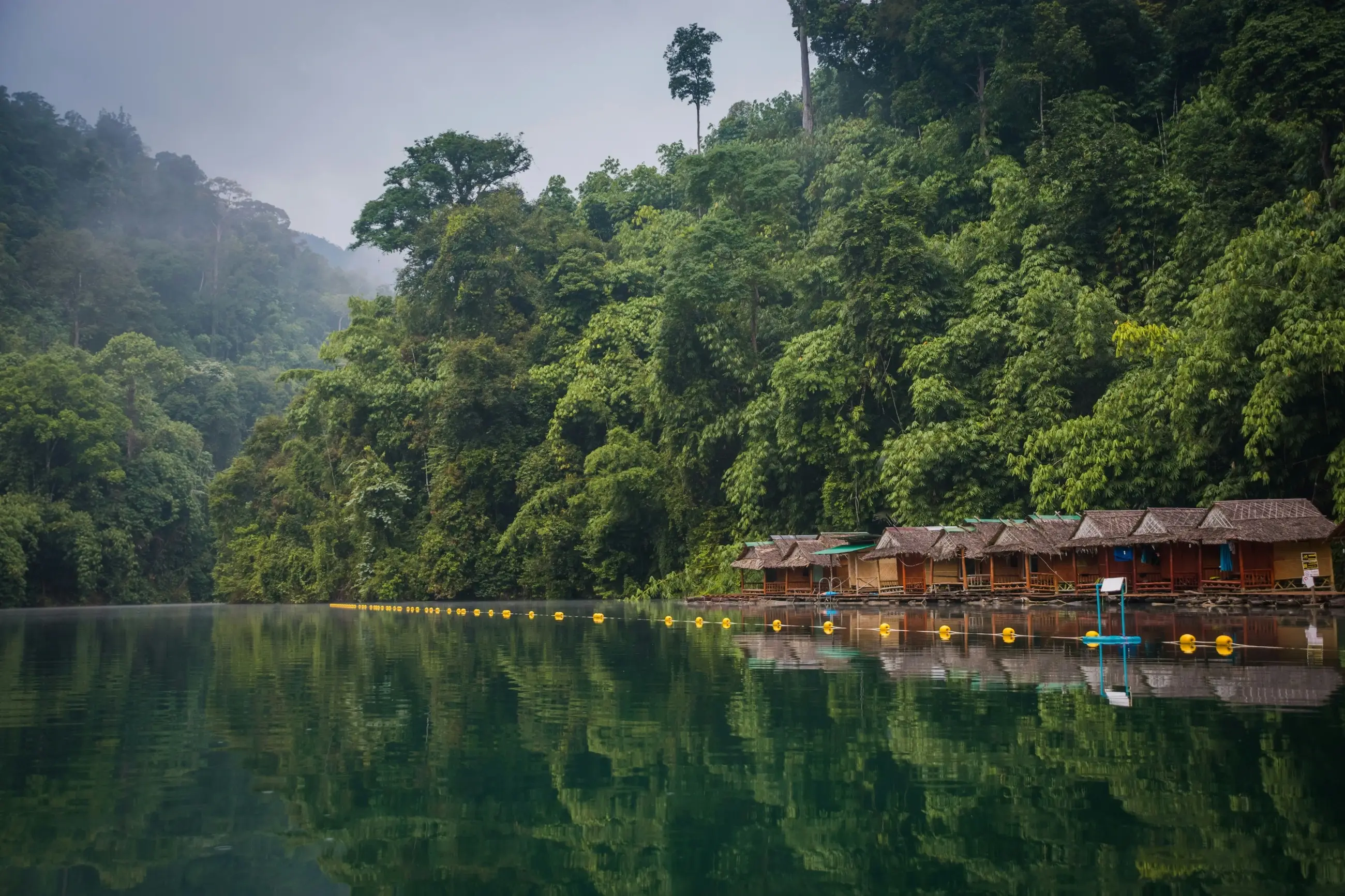
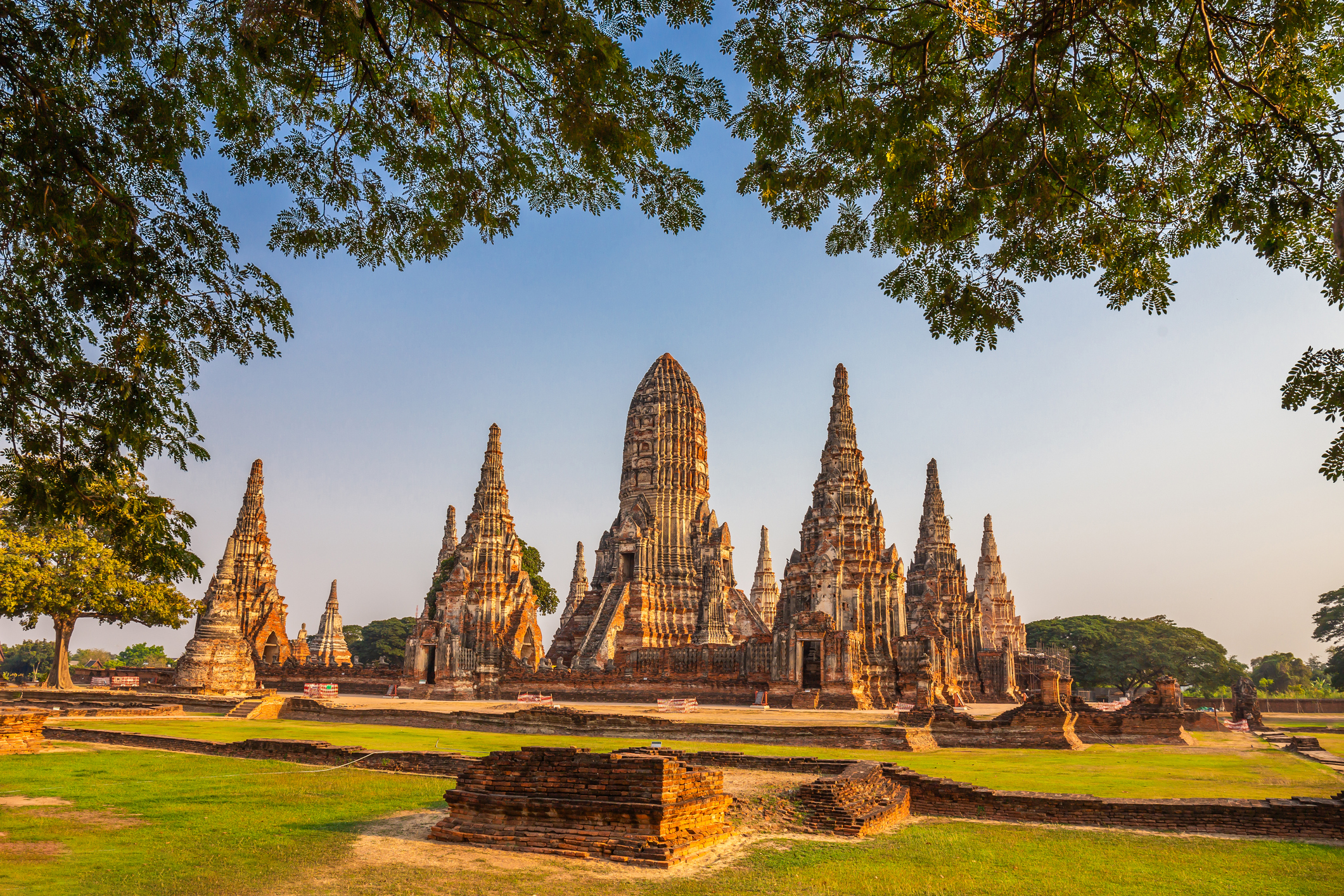
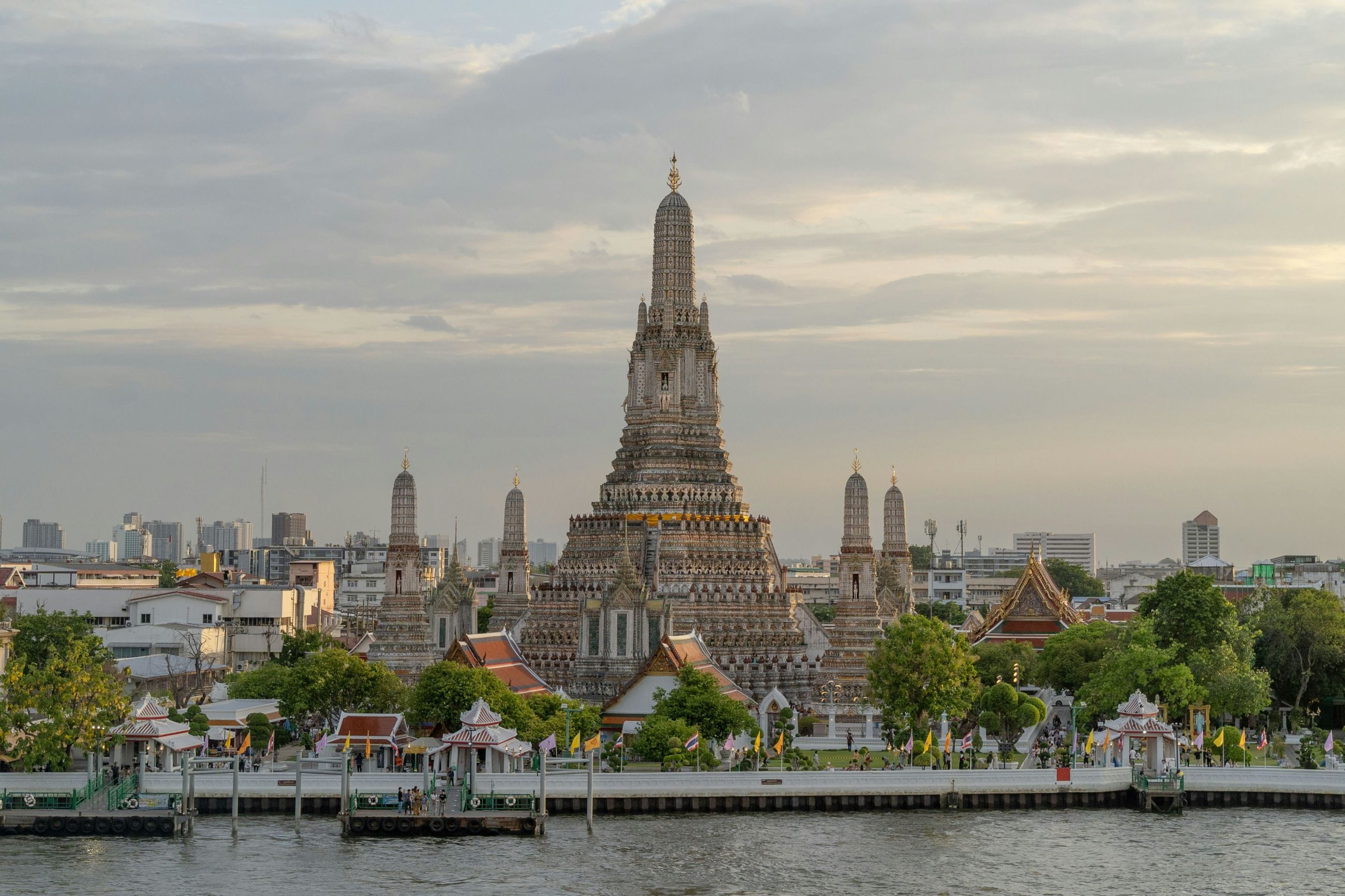
Take a boat trip to the floating market of Damnoen Saduak or visit the temples of Wat Arun and Wat Pho in Bangkok. Walk among the ruins of the ancient city of Ayutthaya and admire the mirrored façade of Wat Rong Khun in Chiang Rai. Visit an ethical elephant sanctuary near Chiang Mai or climb Doi Inthanon, Thailand's highest peak. Kayak between the limestone cliffs of Cheow Lan lake in Khao Sok National Park or dive at the reefs of the Similan Islands. Sample street food at a night market and watch a muay thai match.


Places with soul
Nan

Thailand's most photographed image does not hang in a Bangkok museum but on the wall of a temple in a region that had its own princely court until 1931. Nan lies in the remote mountains of northern Thailand and was one of the five semi-autonomous principalities of Lanna. In Wat Phumin, built in 1596, you will walk through a cruciform hall with four entrances and four Buddhas facing the cardinal directions. On the western wall you will see the mural Pu Man Ya Man: a tattooed man whispering into a woman's ear, a work by the Tai Lue painter Thit Buaphan, created between 1867 and 1874. According to tradition, couples in love walk three times counter-clockwise around the Phaya Nak Koo Kwan gate before looking at the painting, so that their love will last.

Nan

Thailand's most photographed image does not hang in a Bangkok museum but on the wall of a temple in a region that had its own princely court until 1931. Nan lies in the remote mountains of northern Thailand and was one of the five semi-autonomous principalities of Lanna. In Wat Phumin, built in 1596, you will walk through a cruciform hall with four entrances and four Buddhas facing the cardinal directions. On the western wall you will see the mural Pu Man Ya Man: a tattooed man whispering into a woman's ear, a work by the Tai Lue painter Thit Buaphan, created between 1867 and 1874. According to tradition, couples in love walk three times counter-clockwise around the Phaya Nak Koo Kwan gate before looking at the painting, so that their love will last.

Koh Yao Yai

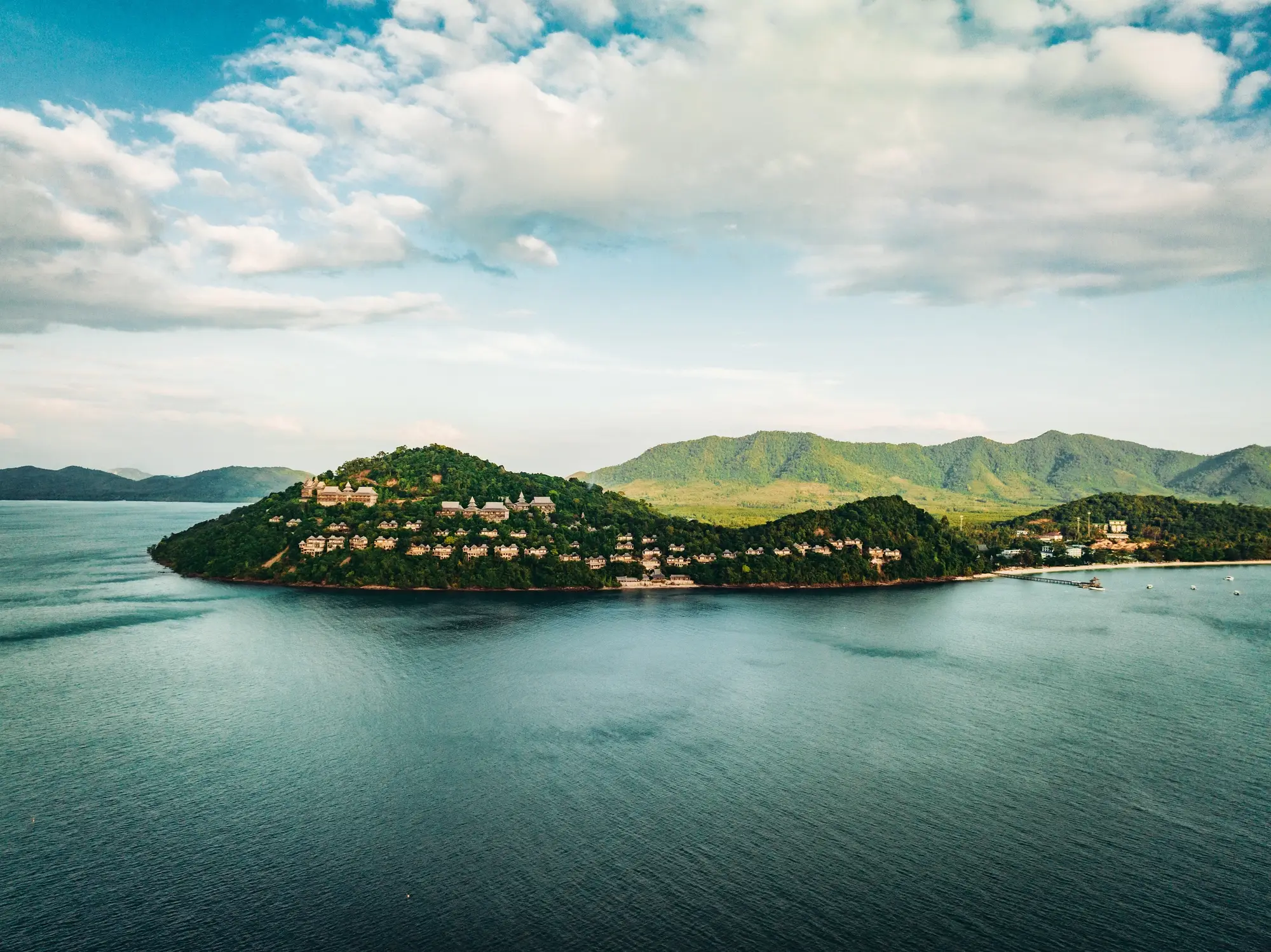
According to legend, Koh Yao Yai and the smaller Koh Yao Noi were formed when wrestling sea serpents split a single island in two. The island lies in Phang Nga Bay between Phuket and Krabi, surrounded by limestone islets; its Thai name means "big long island." Ninety per cent of the population is Muslim, descendants of the Malay nomads known as the Orang Laut, who live by fishing and rubber cultivation. In the village of Klong Hia you will see fishermen mending nets beside longtail boats, their bows decorated with coloured cloth for good luck. By kayak, you will paddle through the mangrove channels of the east coast, where mudskippers hop among the roots and kingfishers circle overhead. The houses of the fishing village stand on stilts above the sea, their entrances facing the road and their rear walls facing the water.

Koh Yao Yai

According to legend, Koh Yao Yai and the smaller Koh Yao Noi were formed when wrestling sea serpents split a single island in two. The island lies in Phang Nga Bay between Phuket and Krabi, surrounded by limestone islets; its Thai name means "big long island." Ninety per cent of the population is Muslim, descendants of the Malay nomads known as the Orang Laut, who live by fishing and rubber cultivation. In the village of Klong Hia you will see fishermen mending nets beside longtail boats, their bows decorated with coloured cloth for good luck. By kayak, you will paddle through the mangrove channels of the east coast, where mudskippers hop among the roots and kingfishers circle overhead. The houses of the fishing village stand on stilts above the sea, their entrances facing the road and their rear walls facing the water.

Sukhothai

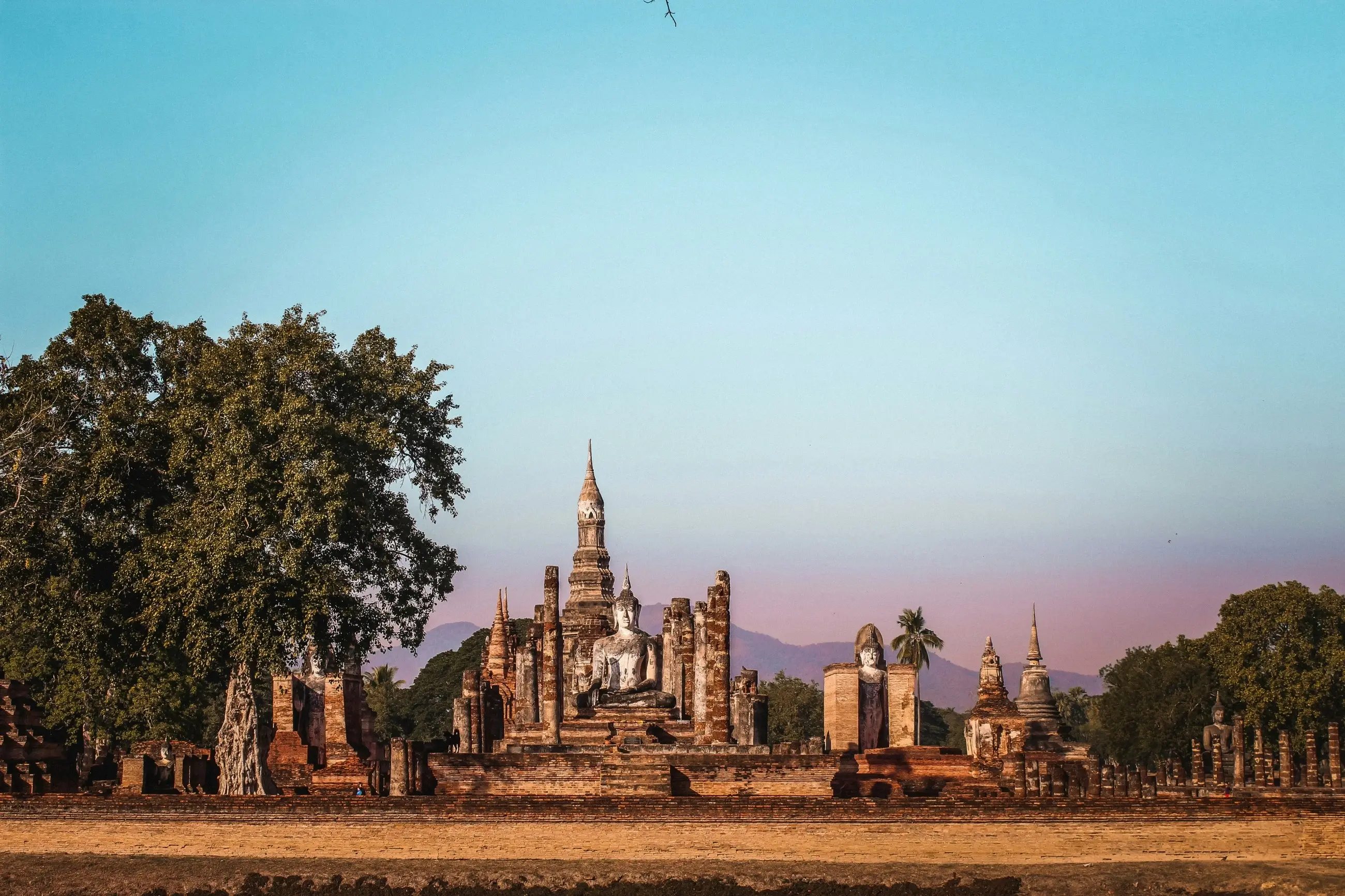
A hidden staircase inside the wall of the mondop (shrine) at Wat Si Chum once let a soldier speak from behind the Buddha statue, unseen, convincing an army that a deity was addressing them. Sukhothai was founded in 1238 as the first independent Thai kingdom; King Ramkhamhaeng created the Thai alphabet here in 1283. The archaeological park, covering 70 square kilometres, protects dozens of temples today and was inscribed by UNESCO in 1991. At Wat Si Chum you will see the fifteen-metre Buddha Phra Achana peering through a gap in the wall. At Wat Mahathat you will walk among lotus-bud chedis (stupas) surrounded by the moat of the kingdom's former main temple. Worshippers still gild Phra Achana's fingers with gold leaf, a ritual seven centuries old.

Sukhothai

A hidden staircase inside the wall of the mondop (shrine) at Wat Si Chum once let a soldier speak from behind the Buddha statue, unseen, convincing an army that a deity was addressing them. Sukhothai was founded in 1238 as the first independent Thai kingdom; King Ramkhamhaeng created the Thai alphabet here in 1283. The archaeological park, covering 70 square kilometres, protects dozens of temples today and was inscribed by UNESCO in 1991. At Wat Si Chum you will see the fifteen-metre Buddha Phra Achana peering through a gap in the wall. At Wat Mahathat you will walk among lotus-bud chedis (stupas) surrounded by the moat of the kingdom's former main temple. Worshippers still gild Phra Achana's fingers with gold leaf, a ritual seven centuries old.

Sangkhlaburi

Beneath the surface of the Vajiralongkorn Dam lies the original Wat Wang Wiwekaram temple, which resurfaces for a few months each spring. Sangkhlaburi lies in Kanchanaburi province. The dam was completed in 1984 and flooded the temple as well as a Mon village in the valley below; the residents moved to the surrounding hills and completed a new temple in 1985. You will cross to the Mon quarter of Wangkha over Saphan Mon, a wooden bridge more than 400 metres long, built by the Mon people between 1986 and 1987. From February to June, when the water level drops, you will take a boat out to the remains of the old temple and see only the tip of the bell tower rising above the water. In the new Wat Wang Wiwekaram on the hill lies the body of the monk Luang Pho Uttama in a glass coffin, not yet cremated.

Sangkhlaburi

Beneath the surface of the Vajiralongkorn Dam lies the original Wat Wang Wiwekaram temple, which resurfaces for a few months each spring. Sangkhlaburi lies in Kanchanaburi province. The dam was completed in 1984 and flooded the temple as well as a Mon village in the valley below; the residents moved to the surrounding hills and completed a new temple in 1985. You will cross to the Mon quarter of Wangkha over Saphan Mon, a wooden bridge more than 400 metres long, built by the Mon people between 1986 and 1987. From February to June, when the water level drops, you will take a boat out to the remains of the old temple and see only the tip of the bell tower rising above the water. In the new Wat Wang Wiwekaram on the hill lies the body of the monk Luang Pho Uttama in a glass coffin, not yet cremated.


Experiences that make sense

Isan Cuisine

In flavour, Isan cuisine belongs more to Laos than to Bangkok, as the region's culinary map does not respect the border at the Mekong. The name Isan comes from the Sanskrit Ishany, one of the names of the god Shiva as guardian of the northeast. The flavours are held together by fresh hot chilli, lime juice, fish sauce, and pla ra (fermented fish paste), rounded out with khao kua (roasted rice powder) and fresh herbs. In a clay mortar called a khrok, you will pound the papaya salad som tam and steam sticky rice in a conical bamboo basket called a huad. You will try larb, a meat salad that in Isan was traditionally served only at feasts and funerals, when a pig or buffalo was slaughtered.

Isan Cuisine

In flavour, Isan cuisine belongs more to Laos than to Bangkok, as the region's culinary map does not respect the border at the Mekong. The name Isan comes from the Sanskrit Ishany, one of the names of the god Shiva as guardian of the northeast. The flavours are held together by fresh hot chilli, lime juice, fish sauce, and pla ra (fermented fish paste), rounded out with khao kua (roasted rice powder) and fresh herbs. In a clay mortar called a khrok, you will pound the papaya salad som tam and steam sticky rice in a conical bamboo basket called a huad. You will try larb, a meat salad that in Isan was traditionally served only at feasts and funerals, when a pig or buffalo was slaughtered.

Muay Thai at an Authentic Gym

The gym in Chiang Mai is known as Lanna, after the northern Thai kingdom, though its official Thai name is Kiat Busaba, meaning Pride of Busaba, after the woman with whom its founder opened it. The Scottish-Canadian Andy Thomson came to Thailand in 1991 after years working on oil rigs in the Indian Ocean, and in 1994 founded the gym with Busaba near Huai Kaeo Road. It became one of the first gyms in northern Thailand open to foreigners and trained Thai fighters who went on to compete in Bangkok's stadiums. In the morning you will join training from 6:30: running up the hills of Doi Suthep, skipping rope, and pad work with the kru trainers. Since Thomson's death in 2018, the gym has been run by Kru Boon, who grew up there as a child.

Muay Thai at an Authentic Gym

The gym in Chiang Mai is known as Lanna, after the northern Thai kingdom, though its official Thai name is Kiat Busaba, meaning Pride of Busaba, after the woman with whom its founder opened it. The Scottish-Canadian Andy Thomson came to Thailand in 1991 after years working on oil rigs in the Indian Ocean, and in 1994 founded the gym with Busaba near Huai Kaeo Road. It became one of the first gyms in northern Thailand open to foreigners and trained Thai fighters who went on to compete in Bangkok's stadiums. In the morning you will join training from 6:30: running up the hills of Doi Suthep, skipping rope, and pad work with the kru trainers. Since Thomson's death in 2018, the gym has been run by Kru Boon, who grew up there as a child.

Working in the Rice Fields

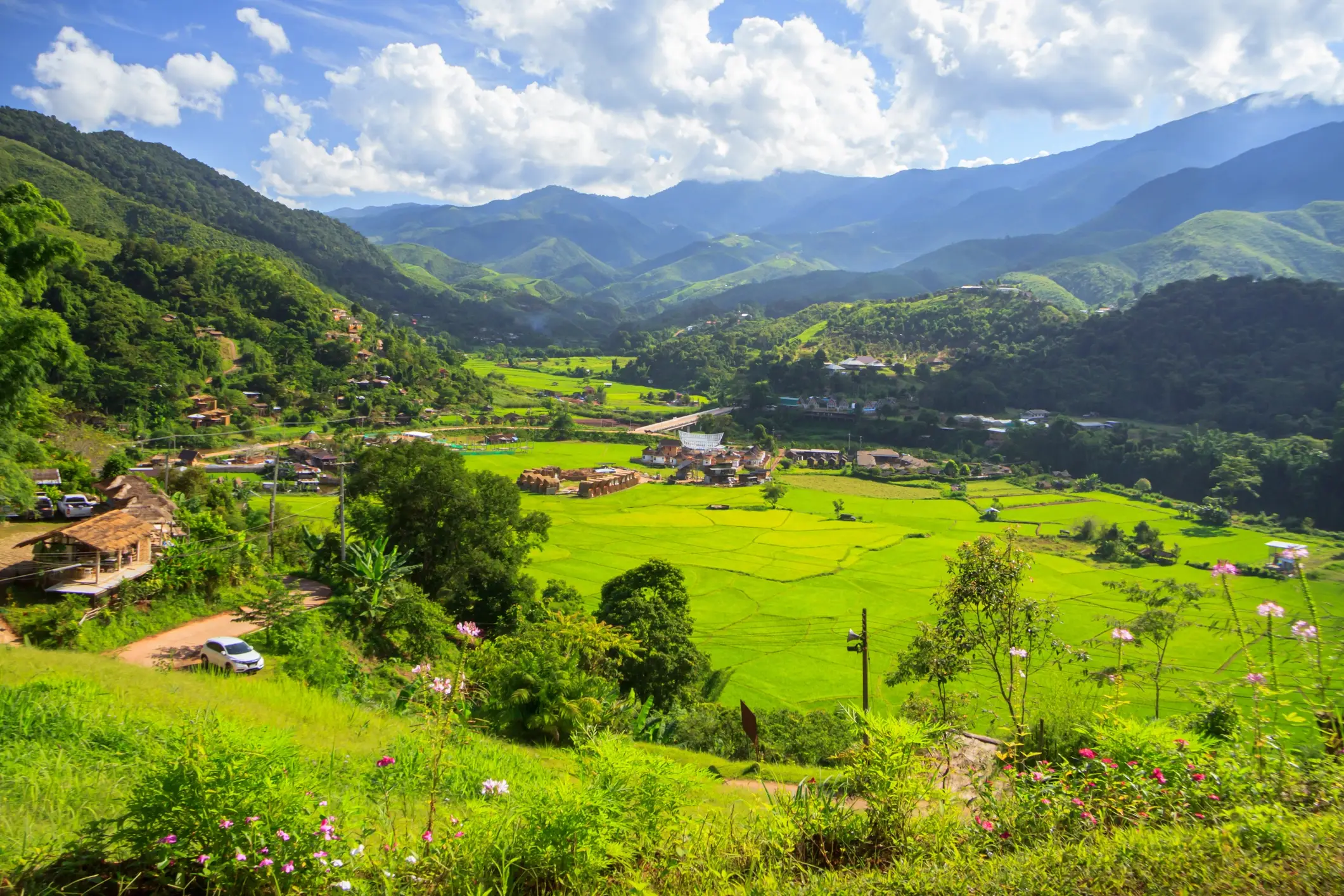
Mo hom, the dark blue shirt worn by most Thai farmers, literally means "indigo pot" in the northern Thai dialect. In the Mae Wang valley southwest of Chiang Mai, rice is still planted by hand as it was centuries ago, exclusively during the rainy season between June and August, when the soil is wet enough for planting. You will first pull young seedlings from a muddy nursery at the edge of the field, then plant them one by one in the mud beside a local farmer, while a water buffalo pulls a plough beside you into places a tractor cannot reach. Rice from the previous harvest is then steamed in the traditional way in a bamboo basket over a clay pot, a technique farmers around Mae Wang have used for generations.

Working in the Rice Fields

Mo hom, the dark blue shirt worn by most Thai farmers, literally means "indigo pot" in the northern Thai dialect. In the Mae Wang valley southwest of Chiang Mai, rice is still planted by hand as it was centuries ago, exclusively during the rainy season between June and August, when the soil is wet enough for planting. You will first pull young seedlings from a muddy nursery at the edge of the field, then plant them one by one in the mud beside a local farmer, while a water buffalo pulls a plough beside you into places a tractor cannot reach. Rice from the previous harvest is then steamed in the traditional way in a bamboo basket over a clay pot, a technique farmers around Mae Wang have used for generations.


Vybrané prémiové ubytování

XXX

xxx

XXX

xxx

XXX

xxx

Thailand Awaits. Shall We Go?

Every journey is different, just as every one of our clients is different. At Meraki, we know that well, which is why we approach every enquiry individually, with a single goal: to meet your expectations down to the last detail.

Plan your trip

Let's plan your dream holiday together!

We would be happy to meet with you to design and fine-tune every detail of your itinerary to suit your wishes, destination or season.

  • Individual tour
  • Group tour

By submitting the form you agree to the processing of your personal data for the purpose of responding to your enquiry. More about GDPR here.