Costa Rica

Tailore-made trip


Best Time to Visit:
January – March

Accommodation:
Hotels

Main Highlights:
Rainforest, Ocean and Caribbean

Price Level:
$$$$

Pura vida, in Czech "pure life", is in Costa Rica a greeting, a farewell and a thank-you, as well as the answer to the question of how you are. According to a widespread account, it entered everyday speech in 1956 through a Mexican comedy of the same name. There is a lot of life here in the biological sense too: the country covers about one-thirtieth of one per cent of the world's land, yet it is home to an estimated five per cent of the planet's species. In the 1980s, forest covered only about a fifth to a third of its territory. Since 1997, the state has paid landowners to plant trees and protect forest, and today forest covers more than half of the country. Length of life is a chapter of its own. The Nicoya Peninsula is one of the five blue zones, areas where people live exceptionally long lives. Most meals include black beans, and breakfast comes with freshly baked corn tortillas.
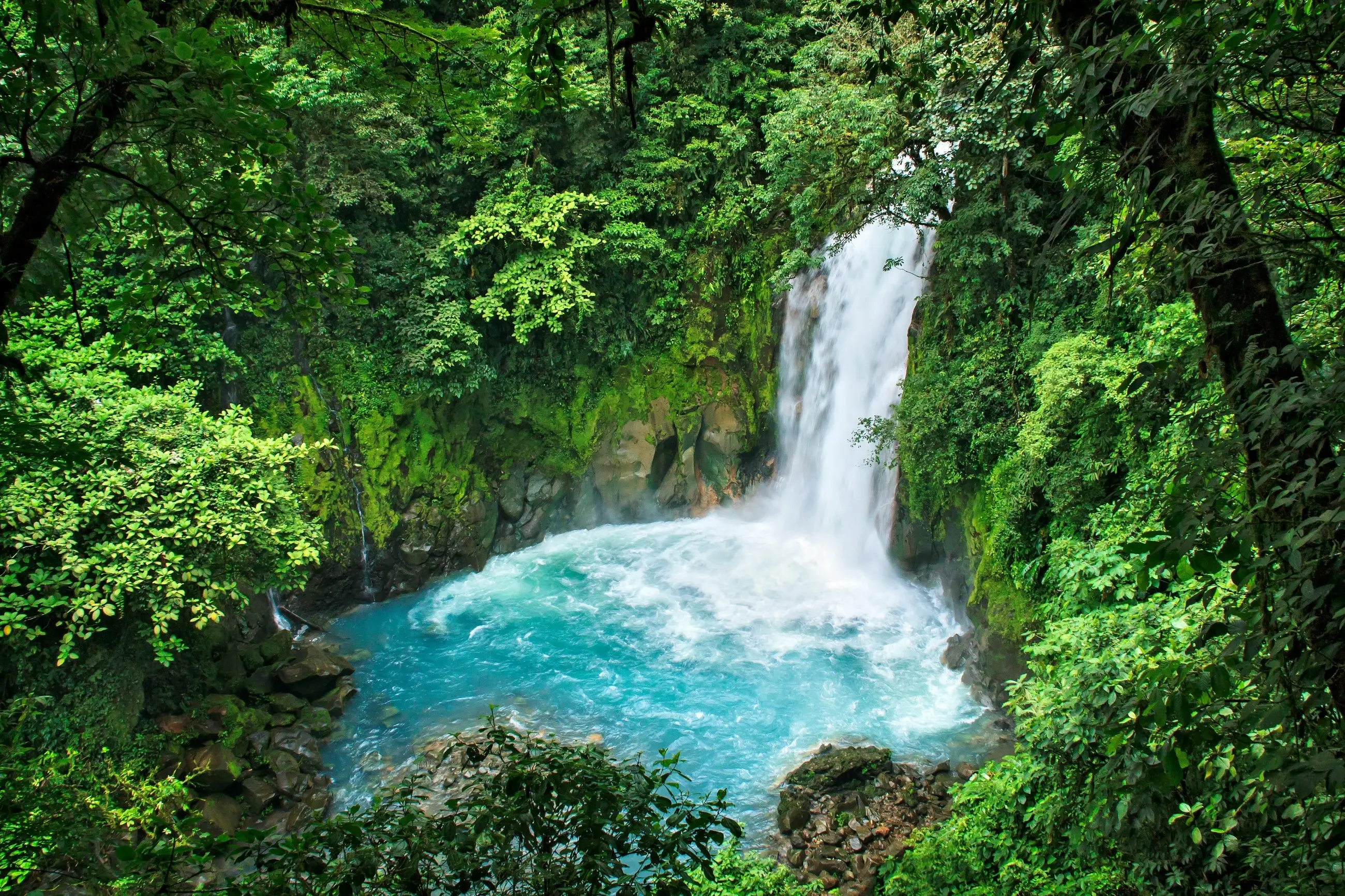
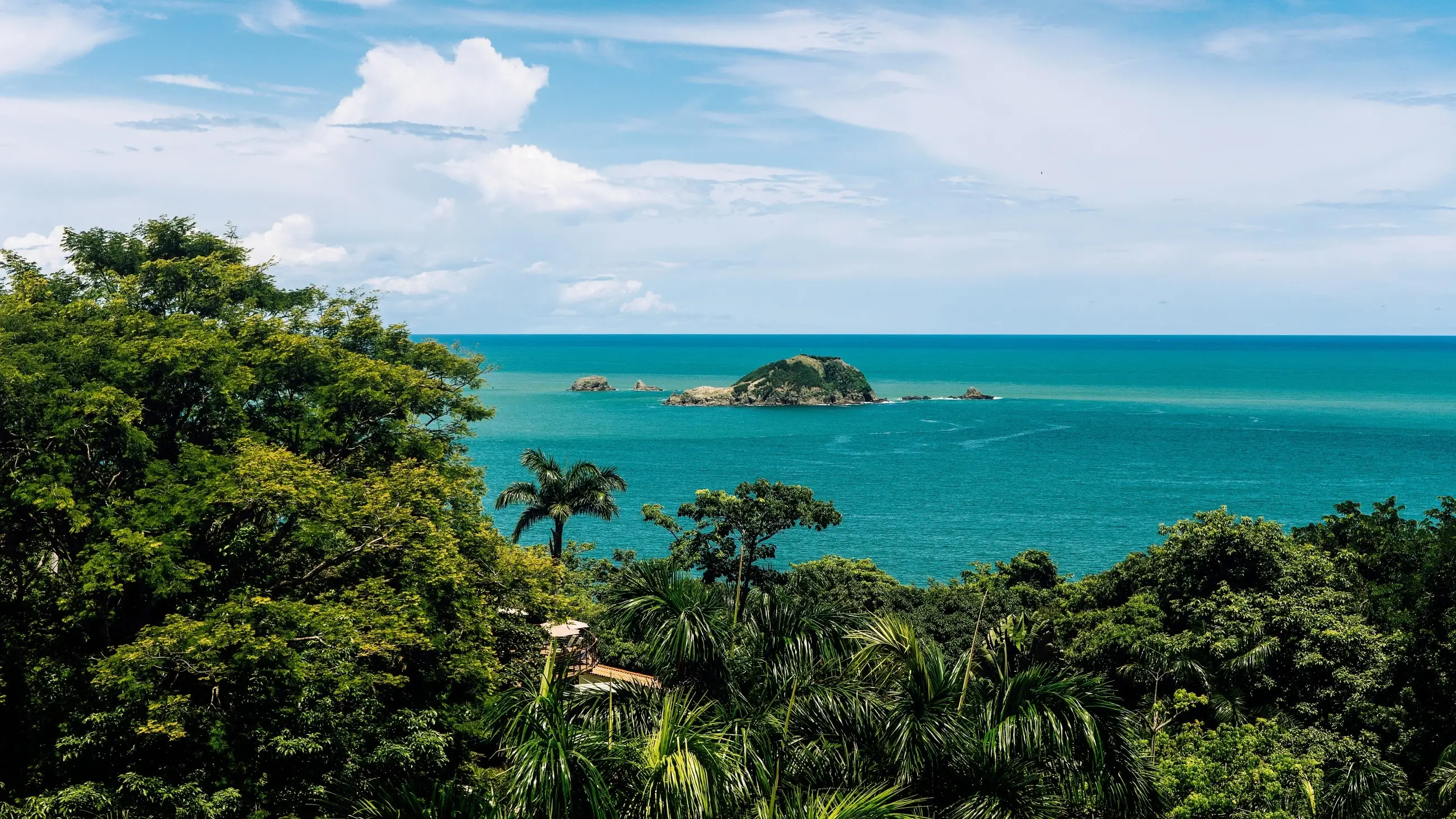
What to see and to in Costa Rica

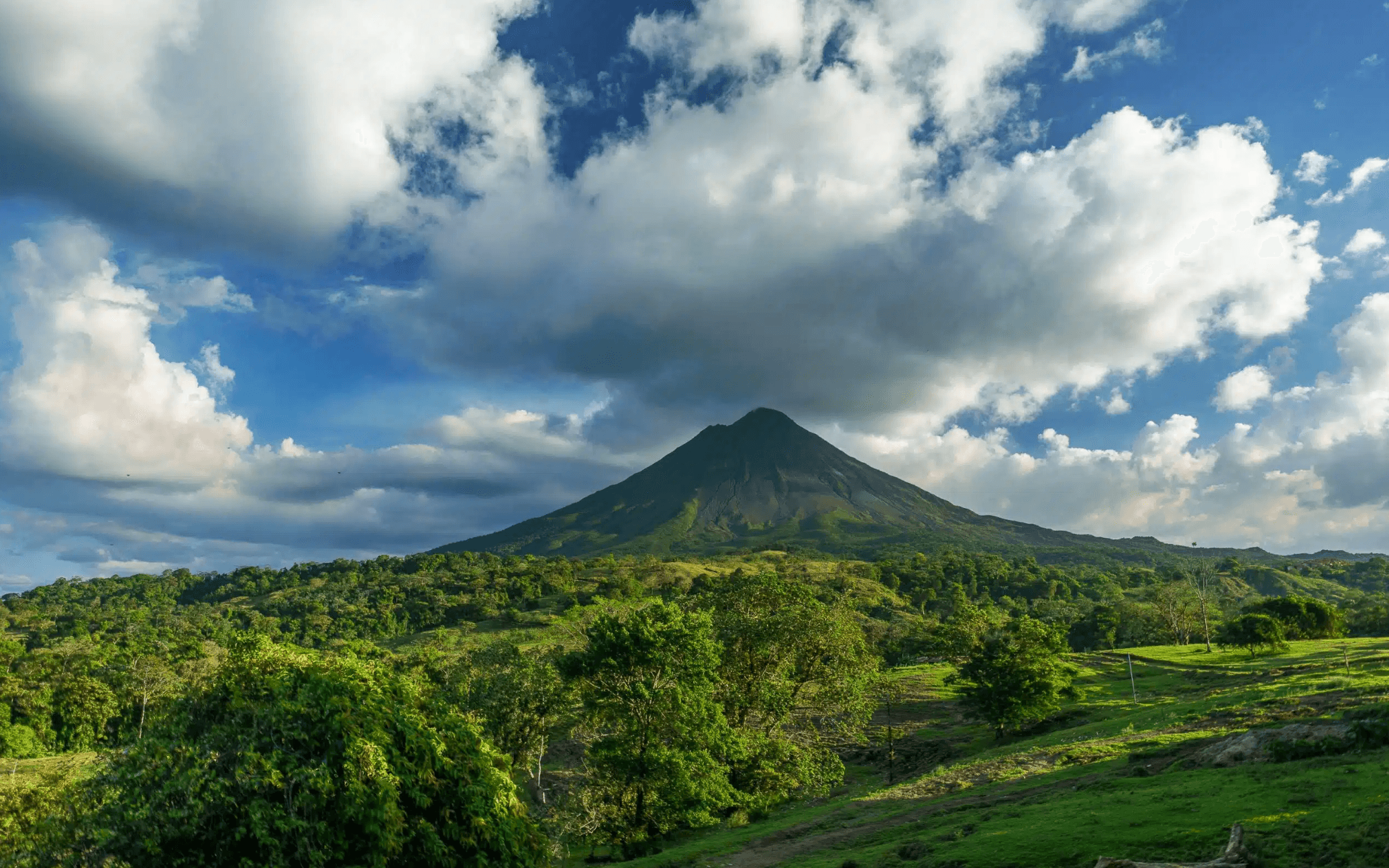
Rica Glide through the canals of Tortuguero National Park, where green turtles nest from July to October. Cross the hanging bridges in the cloud forest of Monteverde. Bathe in the hot springs beneath the Arenal volcano, which was active until 2010. Climb Cerro Chirripó, the highest mountain in the country at over 3 800 metres, from where on a clear day you can see both the Caribbean Sea and the Pacific Ocean. Walk through the Corcovado rainforest on the Osa Peninsula, home to more than 370 species of birds. For lunch, try casado, a plate of rice, beans and fried plantains. In the Tarrazú area, coffee is harvested from November to March.


Places with soul
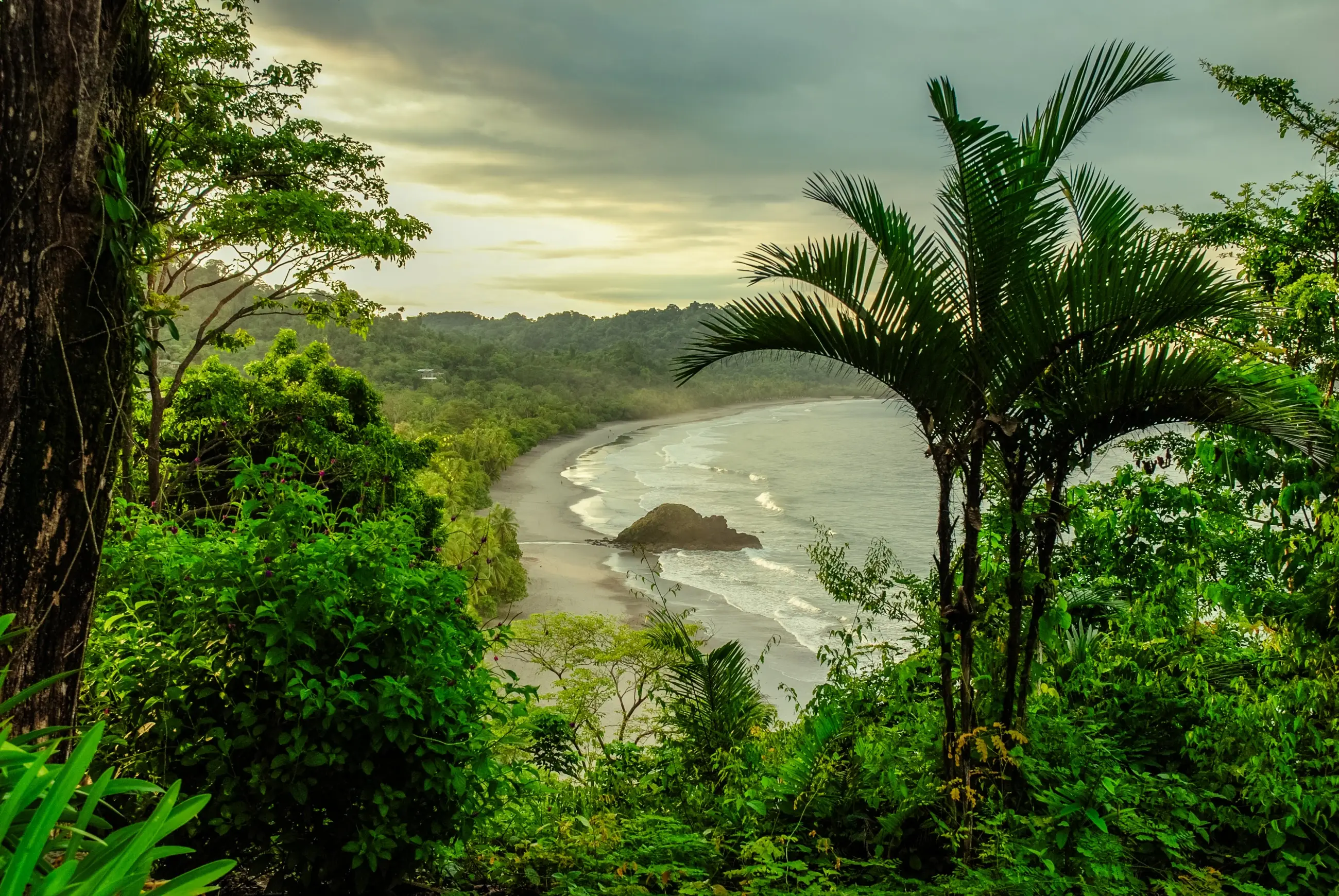
Corcovado National Park

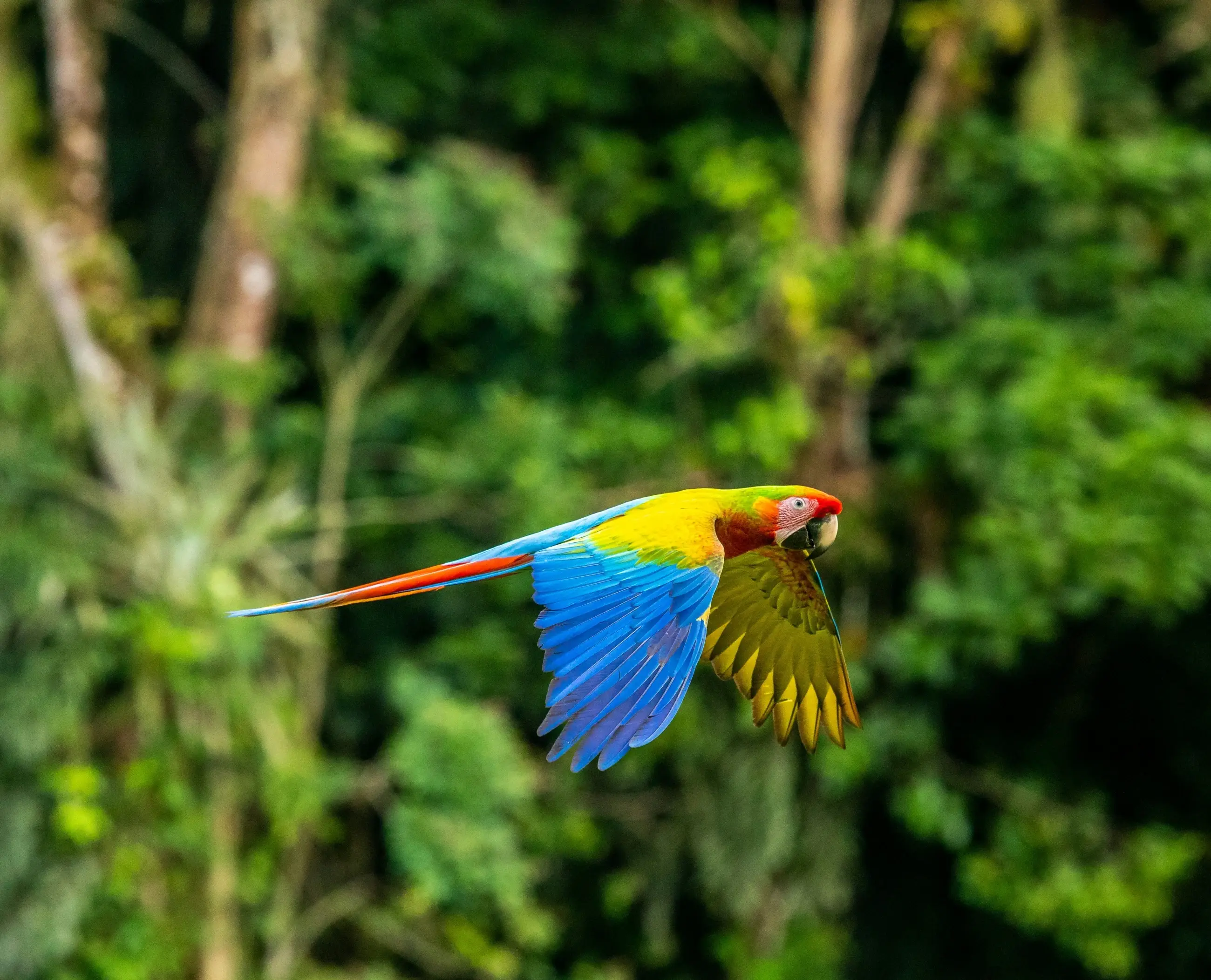
In the southwest of Costa Rica lies a forest that National Geographic called the place with the most intense biodiversity on Earth. It is one of the last large areas of lowland rainforest in Central America. No roads lead into it: to reach the Sirena ranger station in the heart of the park, you arrive by boat from Drake Bay or walk for several hours along the beach and through the jungle, always with a certified guide. On the trails you can see all four Costa Rican species of monkey, scarlet macaws fly above the canopy, and at dawn a Central American tapir sometimes emerges from the forest onto the beach. Bull sharks swim into the river mouths at high tide. You will walk through a rainforest where the animals live in their own way and you are only passing through their home.

Puerto Viejo de Talamanca

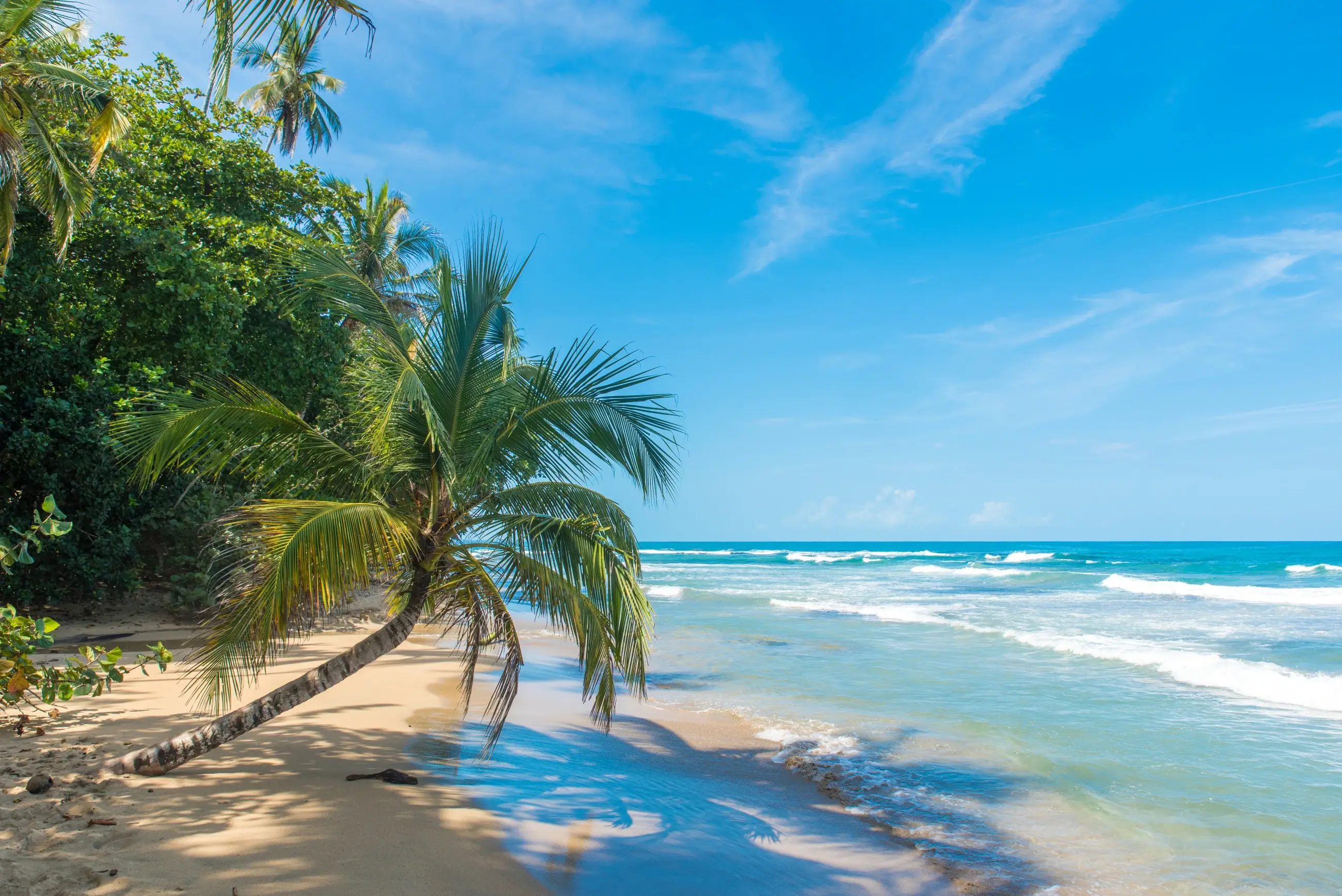
Puerto Viejo de Talamanca was originally called Old Harbour. In the 19th century, Afro-Caribbean settlers, many of them from Jamaica, settled here, and the state later translated the name into Spanish. Long-time residents still often speak English and Caribbean Creole. You can get to know the culture through food: rondón is stewed fish or seafood with root vegetables in coconut milk, and rice and beans is cooked here with coconut and thyme. In the Talamanca mountains live the Bribri, among whom only women prepare cacao, because according to their belief the tree was once a woman. When visiting a family, you will see how chocolate is made from it by hand. On one coast, you will meet two cultures, each with its own cuisine, language and stories.

Orosi Valley

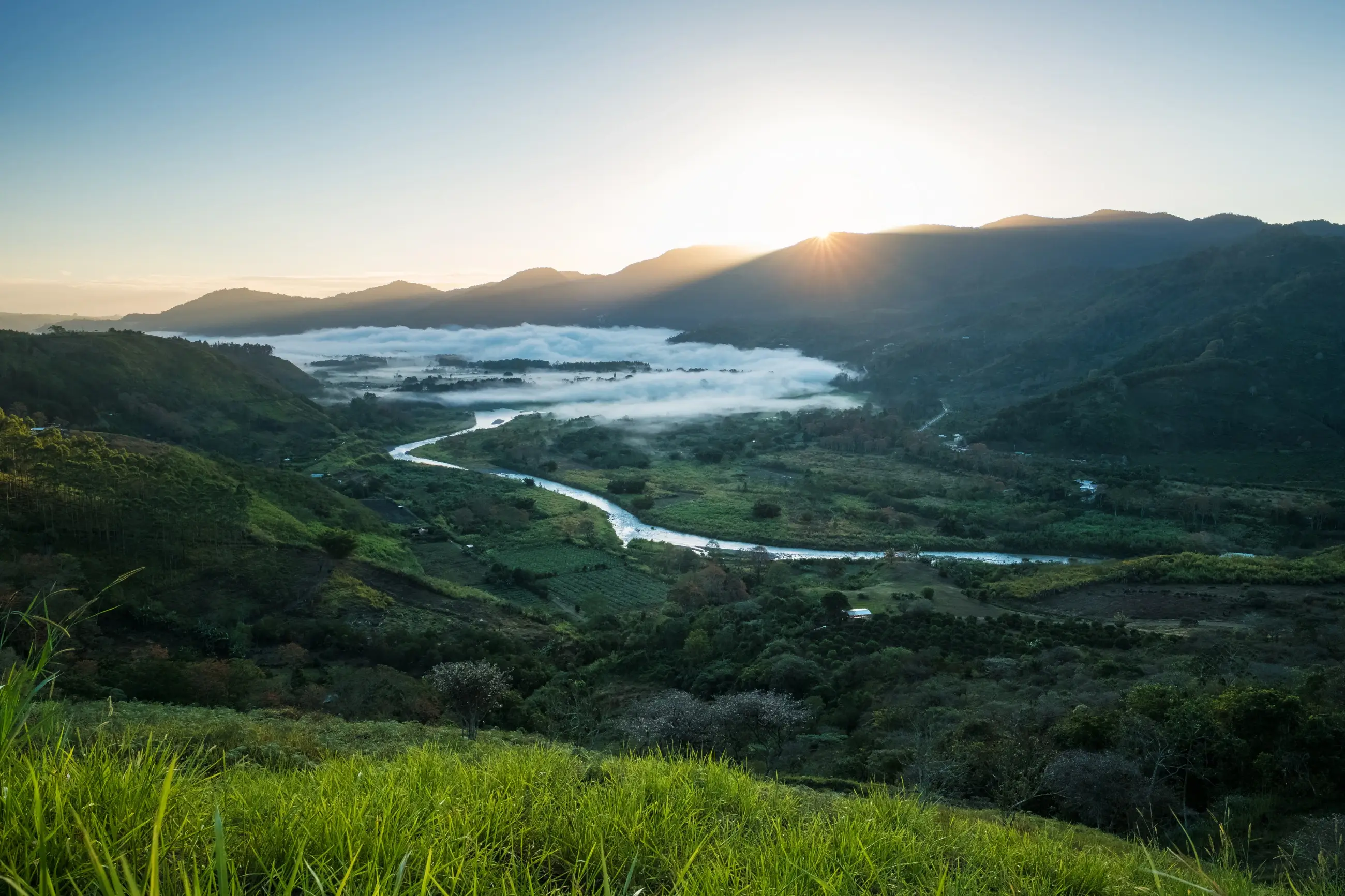
The Orosi Valley lies roughly an hour and a half by car from San José, and around the Reventazón River the slopes are covered with coffee plants, with clouds rolling above them. In the village of Orosi stands a church whose construction began in 1743. It still holds services today and is among the oldest in the country. On a coffee farm, you will see the journey of the bean from bush to cup, on the shore of Lake Cachí you will walk through the ruins of a 16th-century church in Ujarrás, and the road will take you as far as Tapantí National Park, where hundreds of bird species live in the cloud forest and, with a bit of luck, you may spot a quetzal. After a day on the trails, you can warm up in thermal pools. In one valley, you will get to know coffee, colonial history, wild nature and hot springs.

Los Quetzales National Park

Los Quetzales is a national park in the Talamanca mountain range, where the cloud forest rises from 1 240 to 3 190 metres above sea level and the branches of oaks and cypresses are covered in a tangle of other plants. It lies at the headwaters of the Savegre River, which flows from here down to the Pacific. The park is named after the quetzal, a bird with shimmering plumage that seeks out the fruit of the aguacatillo, a tree related to the avocado. On the Ojo de Agua and Zeledonia trails, you will walk through a cool forest among trogons and hummingbirds. During the nesting season from March to June, the quetzal appears most often, but nobody can guarantee it. You will spend hours in a mountain forest where mist hangs between the trees and every bird you see is a reward for patience.


Experiences that make sense

Growing and Tasting Coffee from the Naranjo Region

Naranjo lies in the Western Valley in Alajuela Province, where morning sun, afternoon rain and volcanic soil give coffee a complex flavour. At the Hacienda Espíritu Santo farm, which belongs to a cooperative and has 247 hectares of coffee plants, guides will take you through the whole journey of the bean, from removing the pulp of the fruit through fermenting and drying to roasting. The exhibition also features an ox cart, a national symbol of Costa Rica, in which coffee used to be transported. From November to February, during the harvest, you can see growers picking the ripe fruit. At the end, coffee will be prepared in front of you in the traditional Costa Rican way, chorreado, and you will taste it at the farm with a view of the mountains and the town of Naranjo. In this way, you will get to know Costa Rican coffee from fruit to cup.

Rafting na řece Pacuare

Pacuare je řeka, na které měla v roce 1986 vyrůst přehrada, a přesto dodnes teče volně hlubokým kaňonem z hor Talamanky k Karibskému moři. Nejpůsobivější je zhruba osm kilometrů dlouhá soutěska se stěnami porostlými deštným lesem, kde z obou stran padají vodopády, a peřeje třídy III a IV, třeba Huacas, střídají klidnější úseky, v nichž stačí pádlovat jen lehce a rozhlížet se. Při troše štěstí uvidíte tukany, lenochody nebo opice. Řeka protéká podél území domorodých Cabécarů, a k některým hotelům nevede silnice, takže se k nim připlouvá raftem. Za jediný den tak zažijete rychlou vodu, vodopády i les, do kterého se jinak dostanete jen pěšky.

Rafting on the Pacuare River

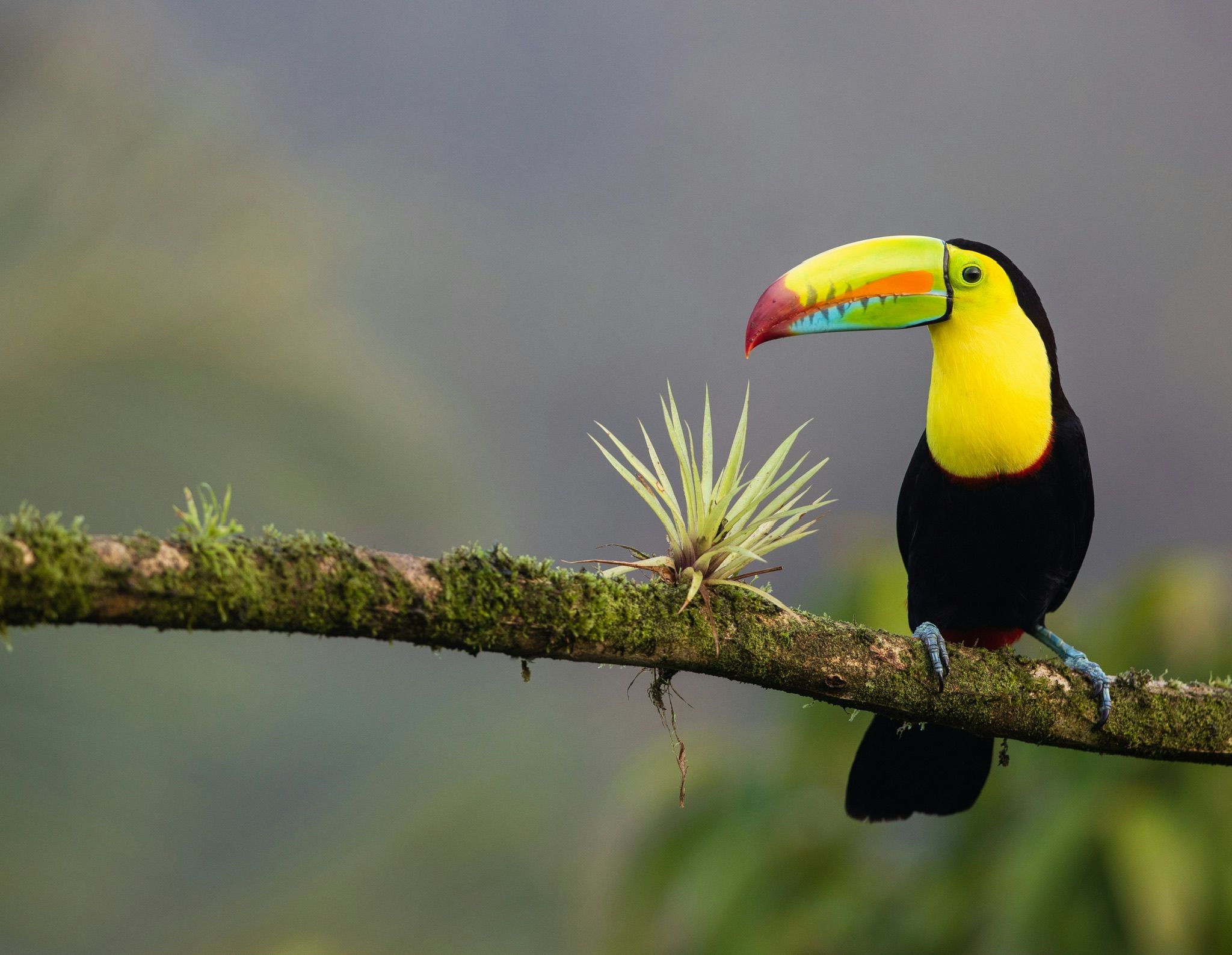
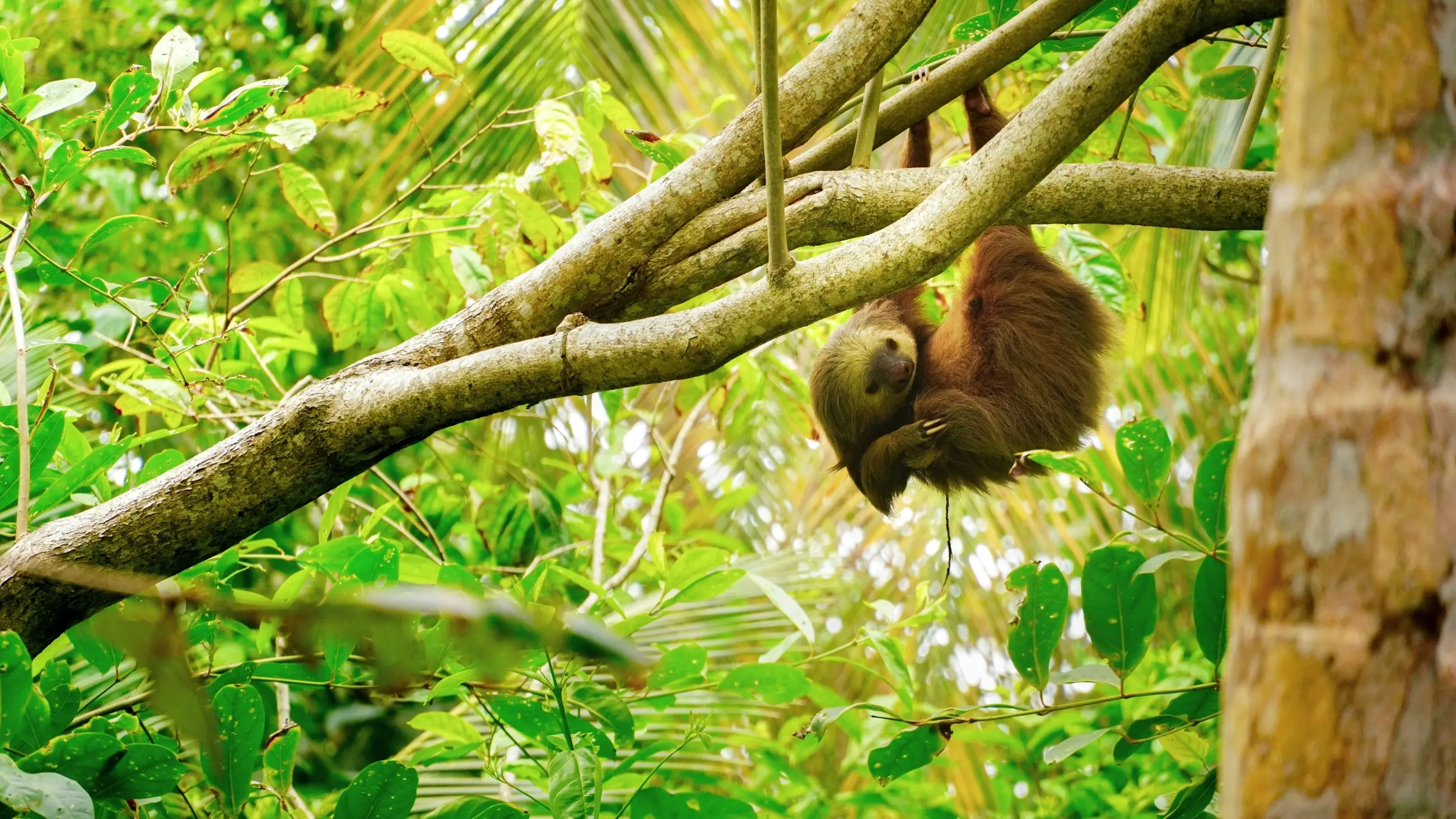
The Pacuare is a river on which a dam was due to be built in 1986, yet it still flows freely through a deep canyon from the Talamanca mountains to the Caribbean Sea. The most impressive part is a gorge about eight kilometres long, with walls covered in rainforest and waterfalls dropping from both sides. Class III and IV rapids, such as Huacas, alternate with calmer stretches where you only need to paddle lightly and look around. With a bit of luck, you will see toucans, sloths or monkeys. The river flows along the territory of the indigenous Cabécar people, and some hotels have no road access, so you reach them by raft. In a single day, you will experience fast water, waterfalls and a forest that you could otherwise reach only on foot.

Preparing Cacao with the Bribri

For the Bribri in the Talamanca mountains, cacao is not a delicacy but a gift from the god Sibö, who, according to their stories, turned a woman named Tsuru into a cacao tree. For this reason, the sacred drink made from it is traditionally prepared only by women. With a family at the edge of the rainforest, you will follow the whole path from the fruit on the tree to the finished drink: fermented beans, dried in the sun, are roasted over a fire, peeled and ground with a stone until they become a glossy, bitter paste. You will take the stone in your own hand and taste pure cacao without sugar. Some communities, such as Yorkín, are reached by canoe upstream along the river. You will take home the taste of cacao as it has been drunk here for centuries, and a story that will make you eat chocolate differently from then on.


Vybrané prémiové ubytování

XXX

xxx

XXX

xxx

XXX

xxx

Costa Rica Awaits. Shall We Go?

Every journey is different, just as every one of our clients is different. At Meraki, we know that well, which is why we approach every enquiry individually, with a single goal: to meet your expectations down to the last detail.

Plan your trip

Let's plan your dream holiday together!

We would be happy to meet with you to design and fine-tune every detail of your itinerary to suit your wishes, destination or season.

  • Individual tour
  • Group tour

By submitting the form you agree to the processing of your personal data for the purpose of responding to your enquiry. More about GDPR here.