


Japan – Where Everyday Life Is an Art Form
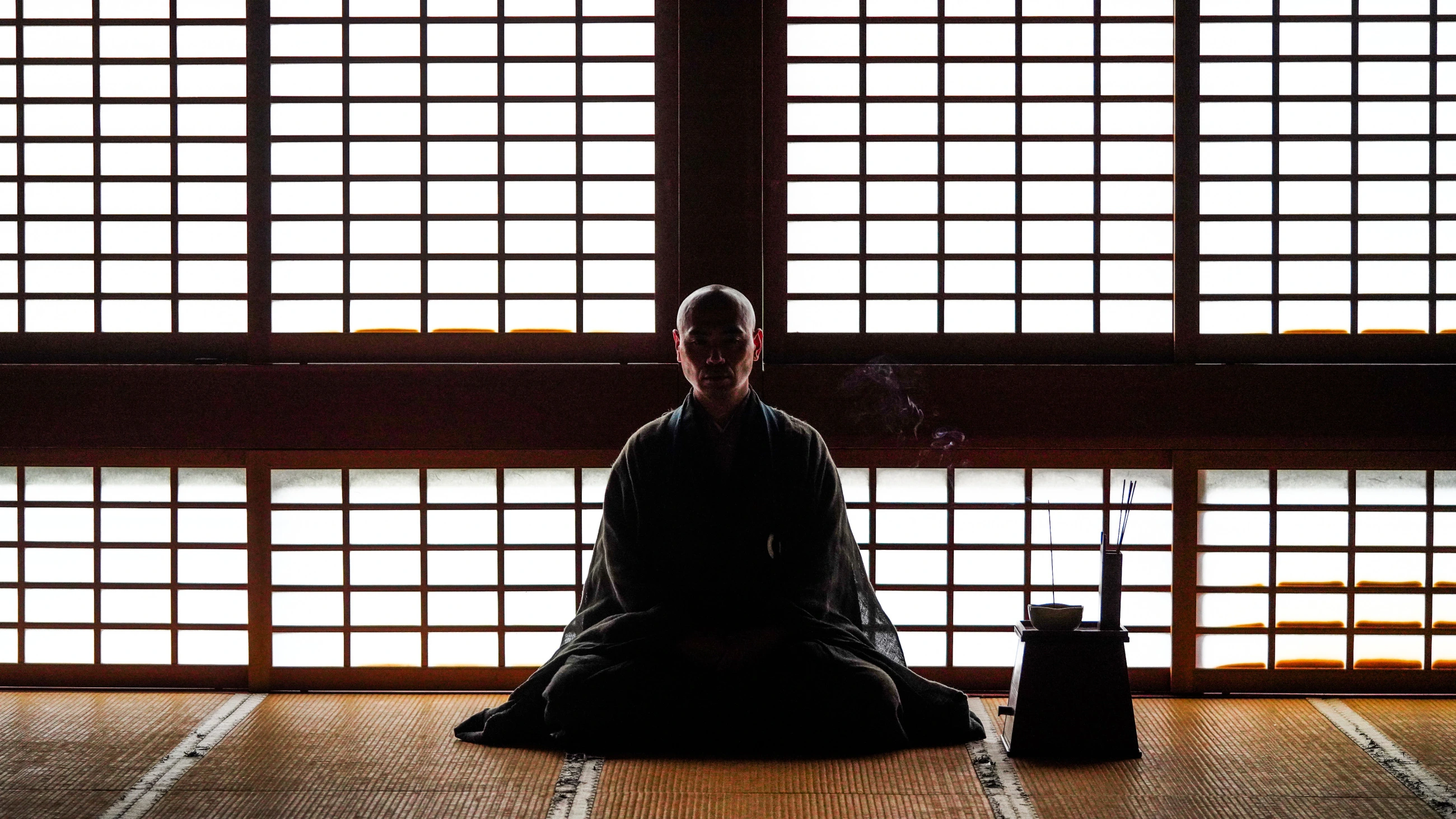
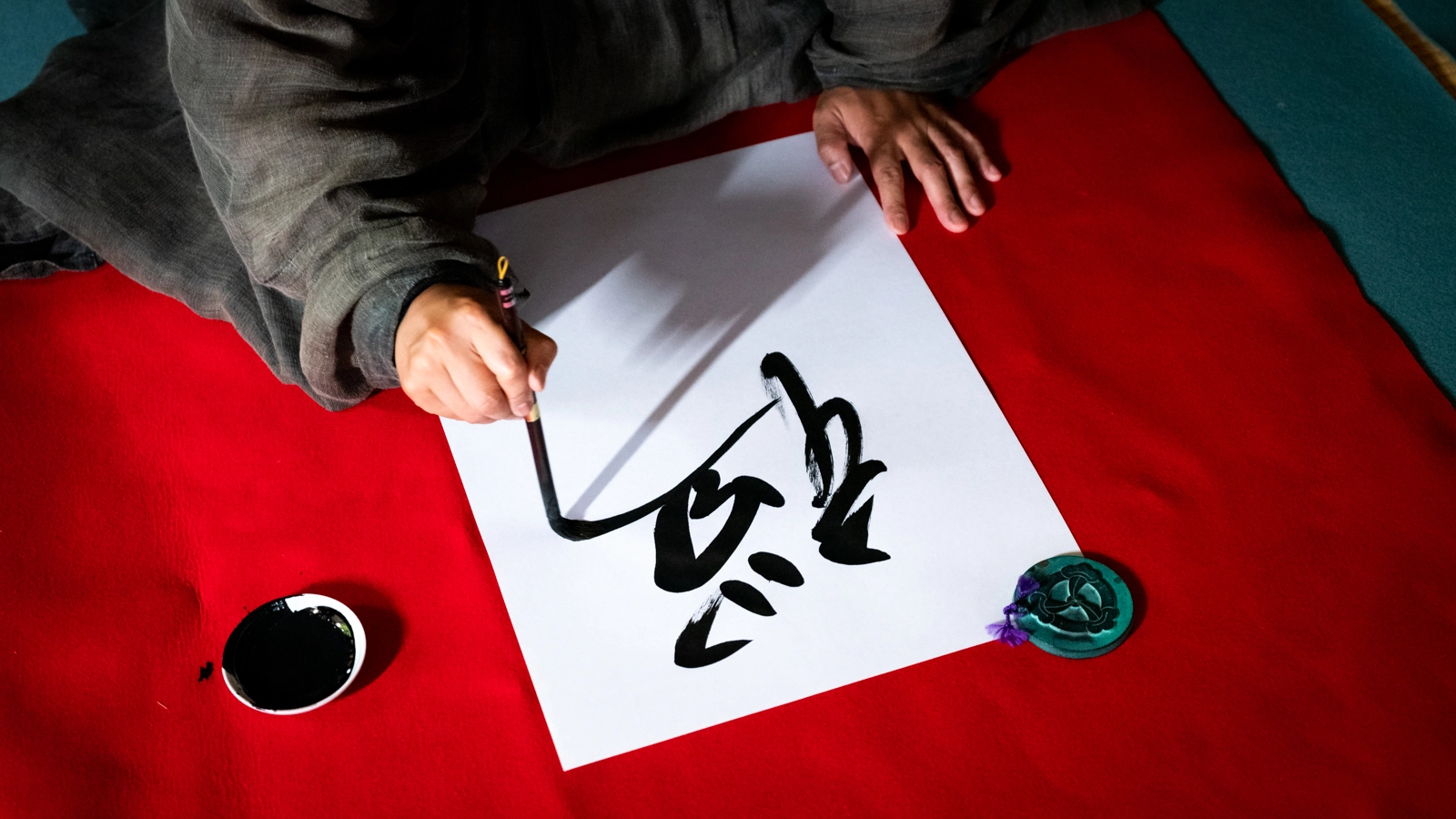
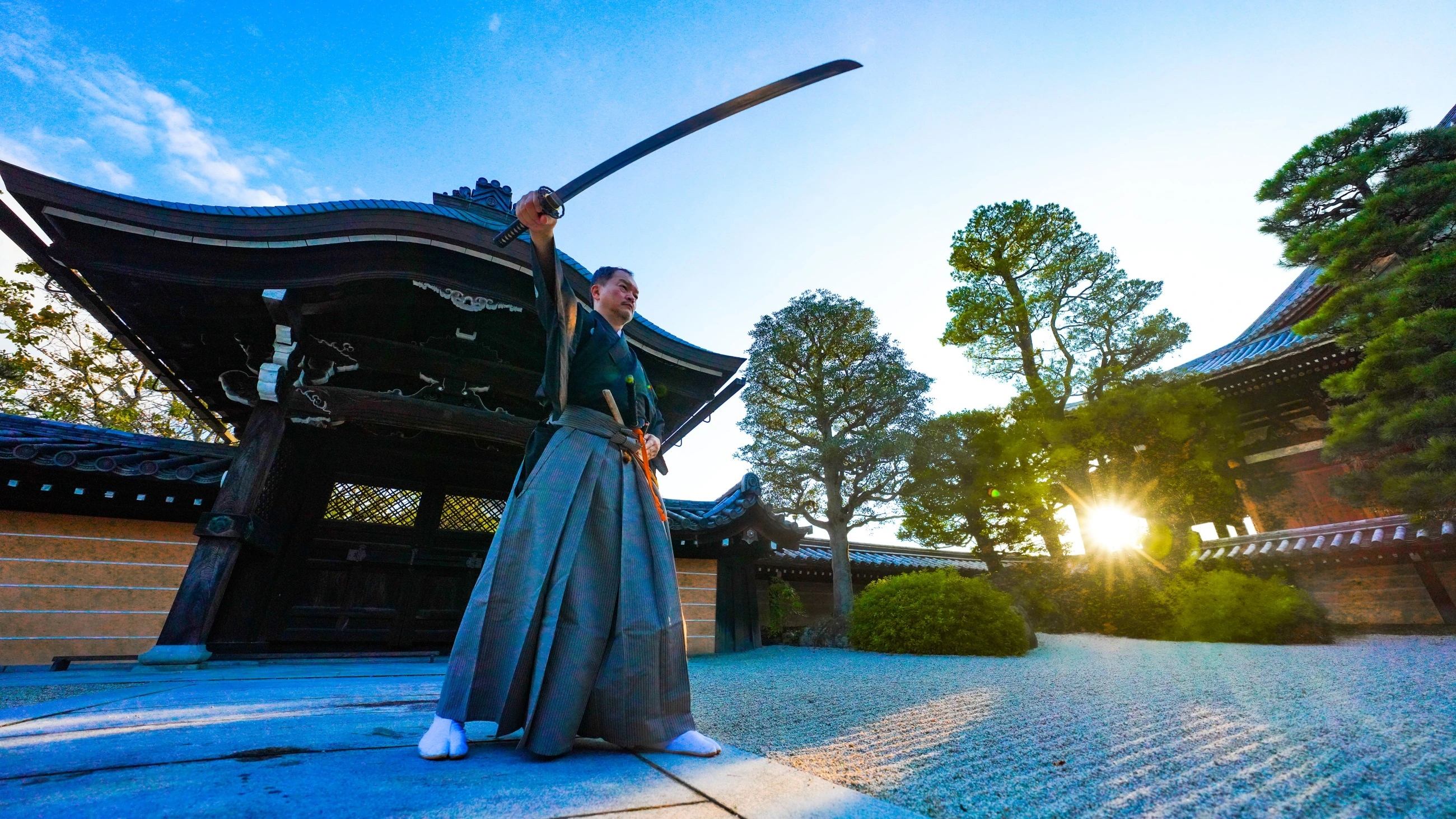
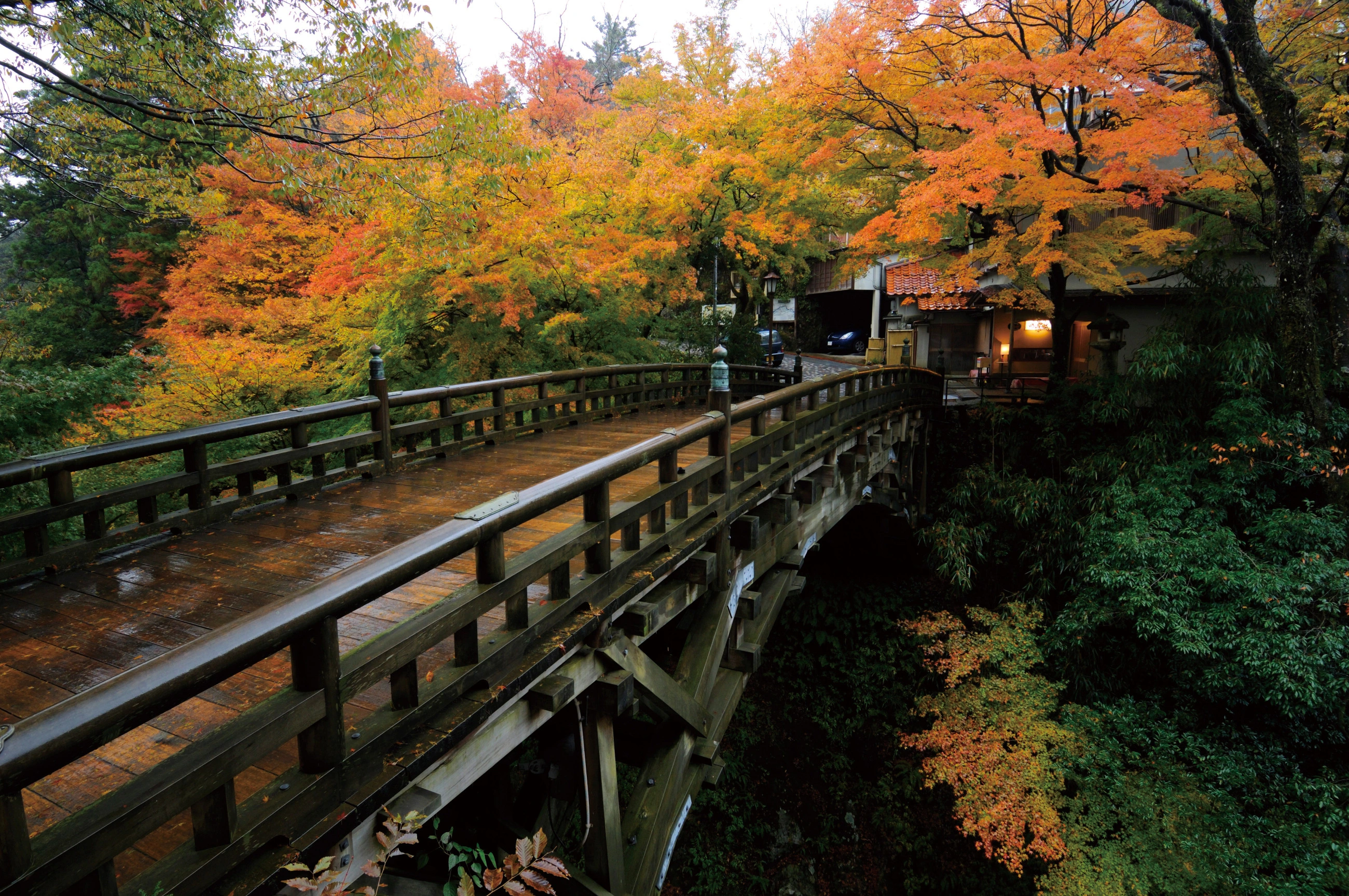
In Japan, aesthetics don't hide in galleries. They live in the way a Tokyo taxi driver wears white gloves, in the way a chef places a slice of sashimi on a dish, or in the way a gardener at Ryōan-ji rakes the sand into identical patterns every morning. A lifelong dedication to a single craft – shokunin kishitsu – is no exception here. You will encounter it in a Michelin-starred Tokyo restaurant and in a Kyoto bakery that bakes just one kind of bread. Come in spring, when cherry blossoms turn train stations into paintings, or in autumn, when the maples around Nikkō burn deep red. Japan transforms with every season, but this principle remains.
What to See and Experience in Japan
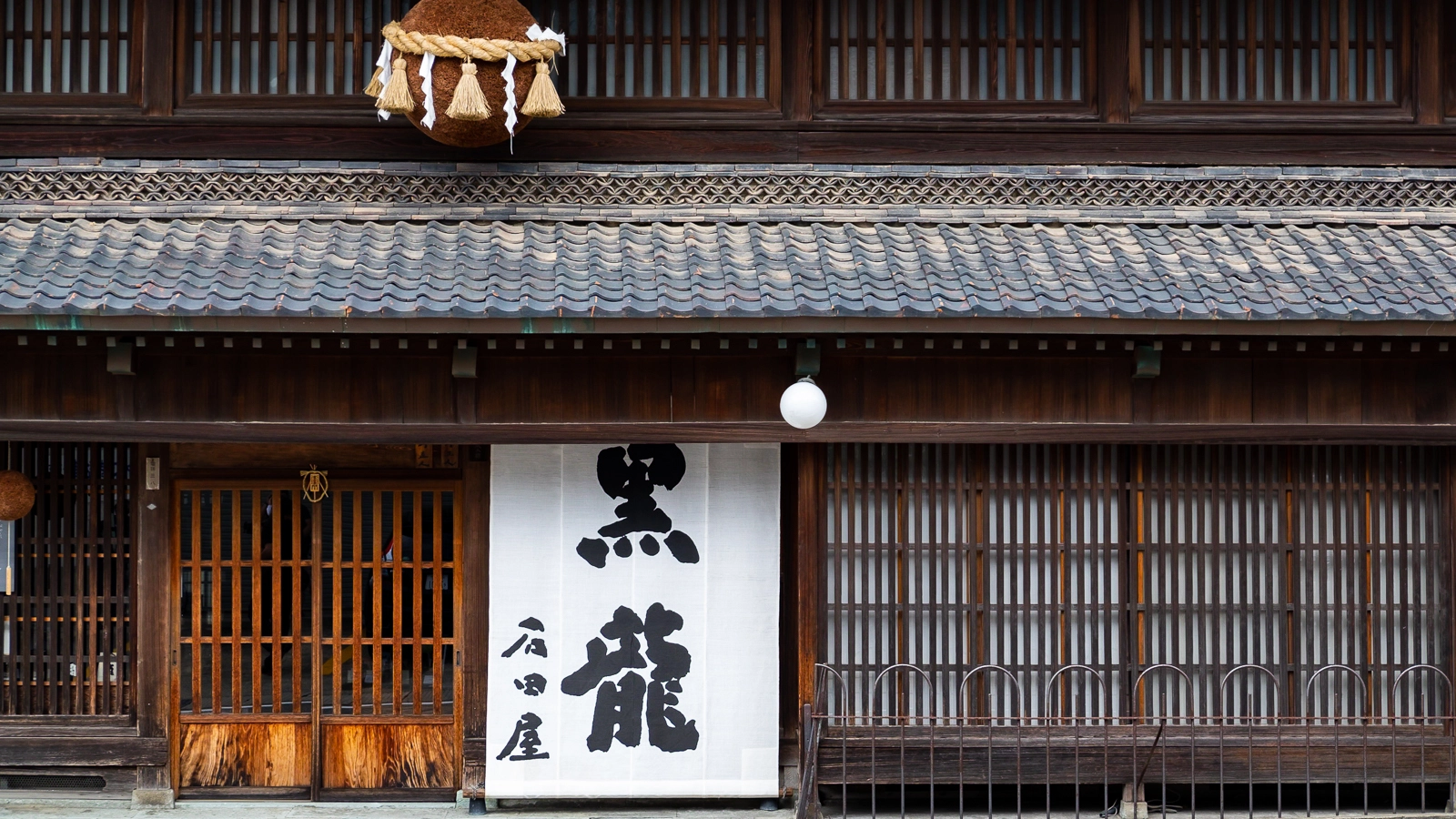
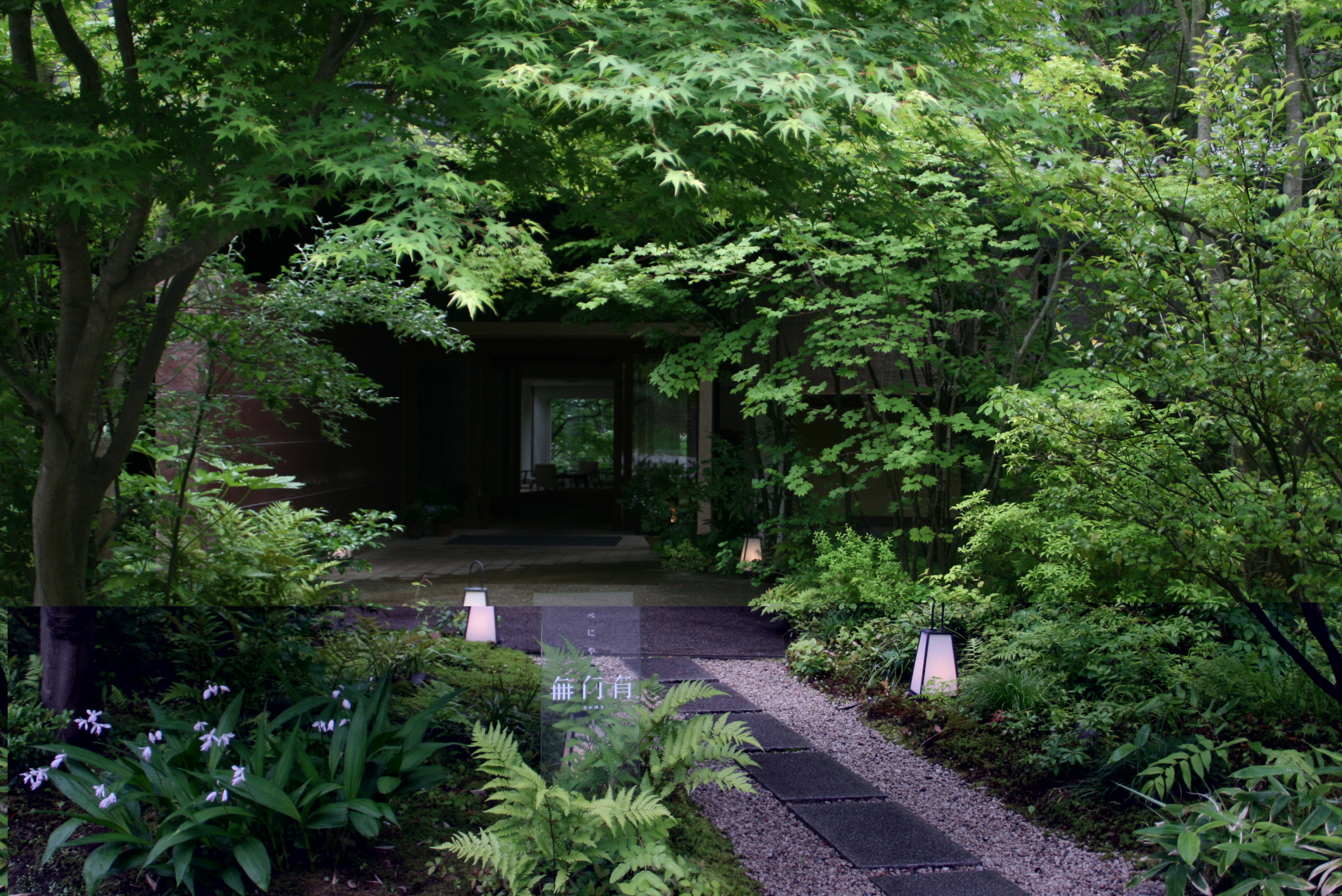
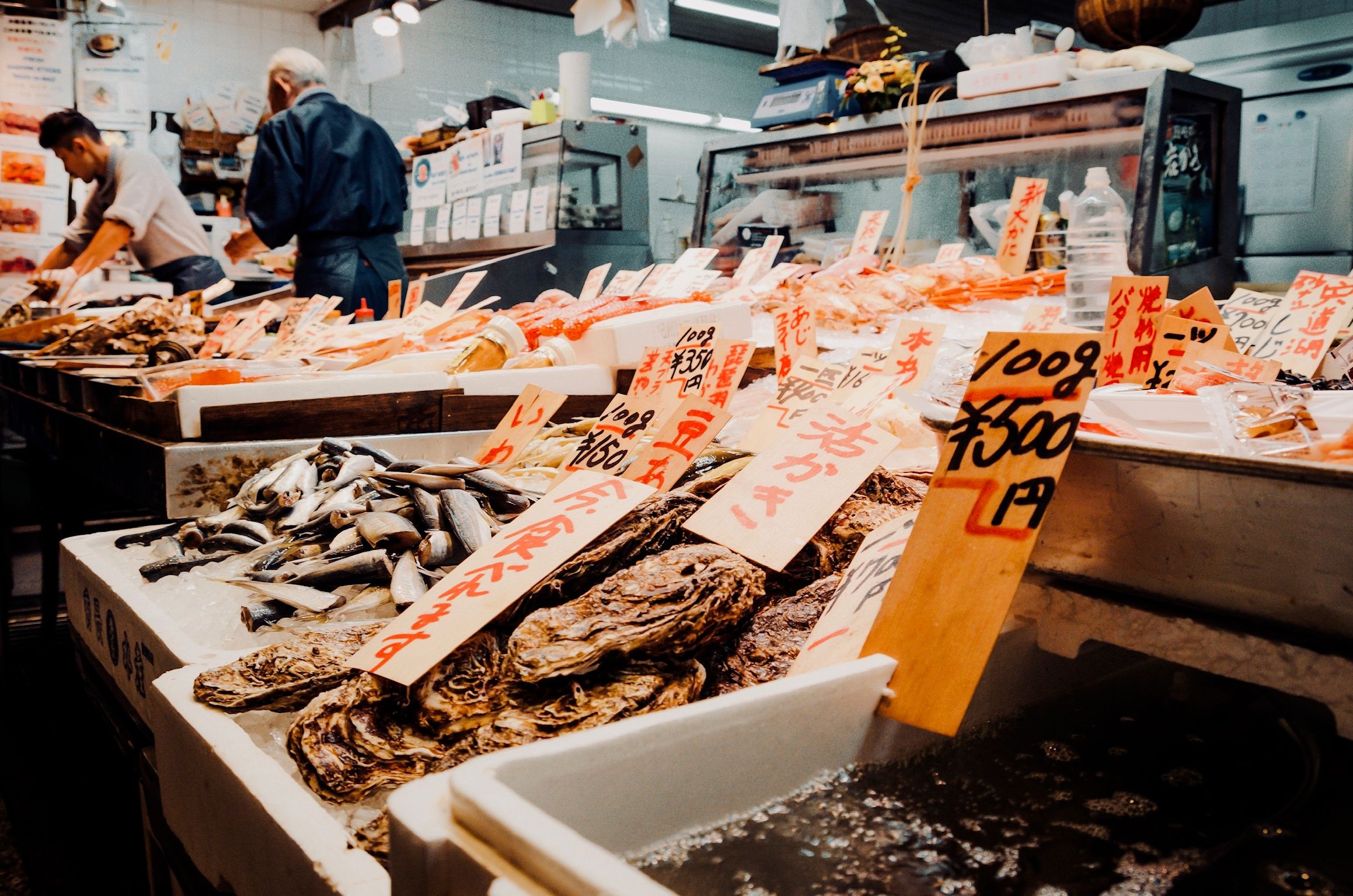
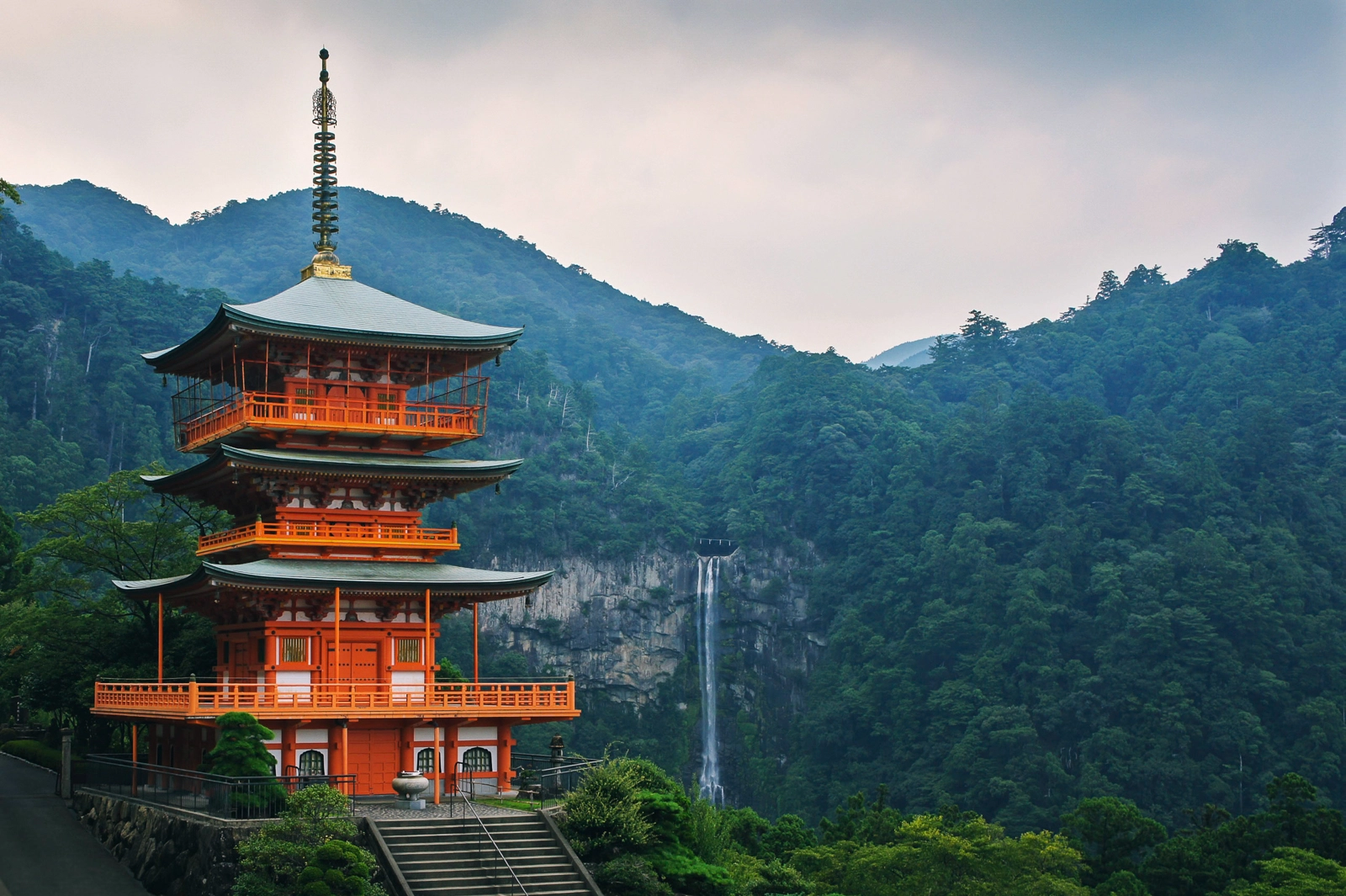
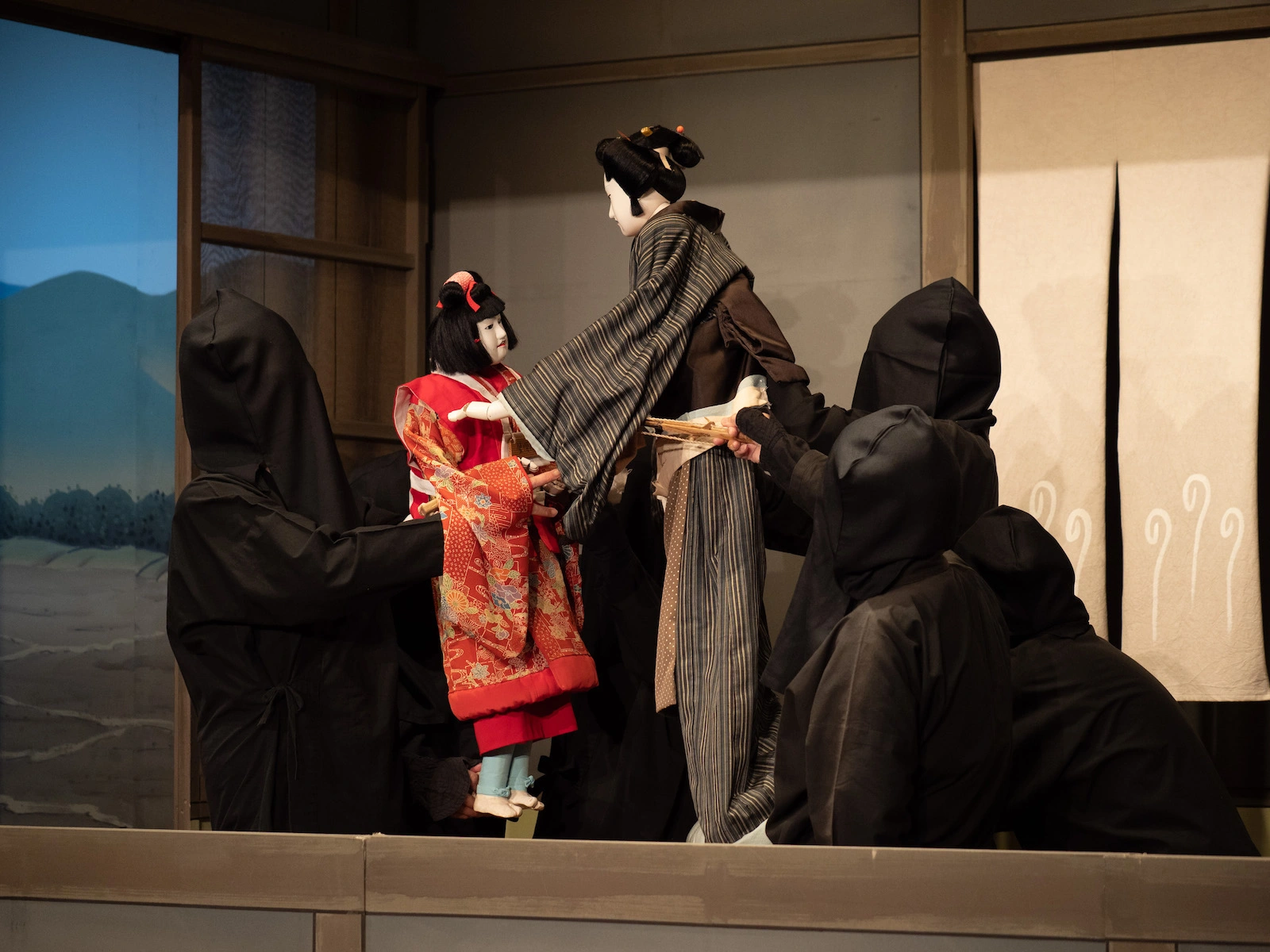
A vendor at Kyoto's Nishiki Market wraps a fish with the care others reserve for a gift, and the gravel in a Zen garden is raked into the same lines, day after day. The same attention to detail carries through a multi-course kaiseki menu and the ritual of bathing in the hot spring waters of an onsen. Between these moments lie the snow-covered rooftops of Tōhoku and autumn maples that set the hillsides above Kyoto ablaze with red.
Travel to a country where attention to detail has become part of everyday life. Tell us which face of Japan you want to discover, and we will put together a journey made entirely for you.
Places with Soul
Japan is a country where no two places are alike, and each one is a world unto itself – from quiet city alleyways to the raw wilderness of the north.
Yanaka - Tokyo
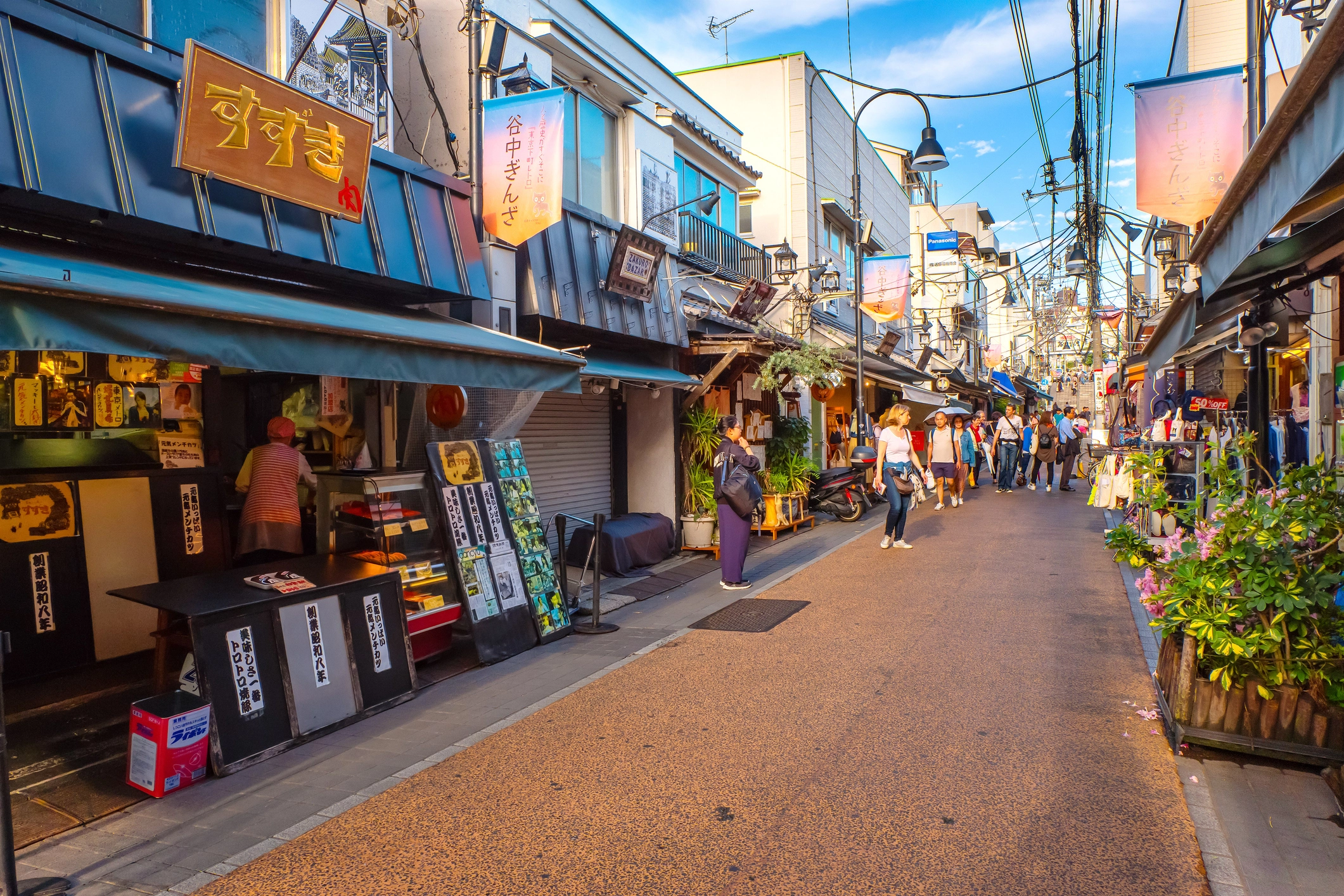
Yanaka survived the 1923 earthquake and the bombing raids of the Second World War, making it one of the few neighbourhoods in Tokyo that still has its original wooden architecture. The district lies in northeastern Tokyo, in the Yanesen area, and its density of Buddhist temples is among the highest in the city. You descend the Yuyake Dandan staircase to the 170-metre-long market street of Yanaka Ginza, where butchers, fishmongers and confectioners occupy shopfronts from the Shōwa era. In April, Sakura-dori walks you beneath a canopy of blossoms all the way to the gates of the neighbourhood's prominent cemetery. Yanaka carries the unofficial nickname neko-machi – cat town – because cats sit on cemetery walls and in shop windows the full length of the Ginza.
Shiretoko
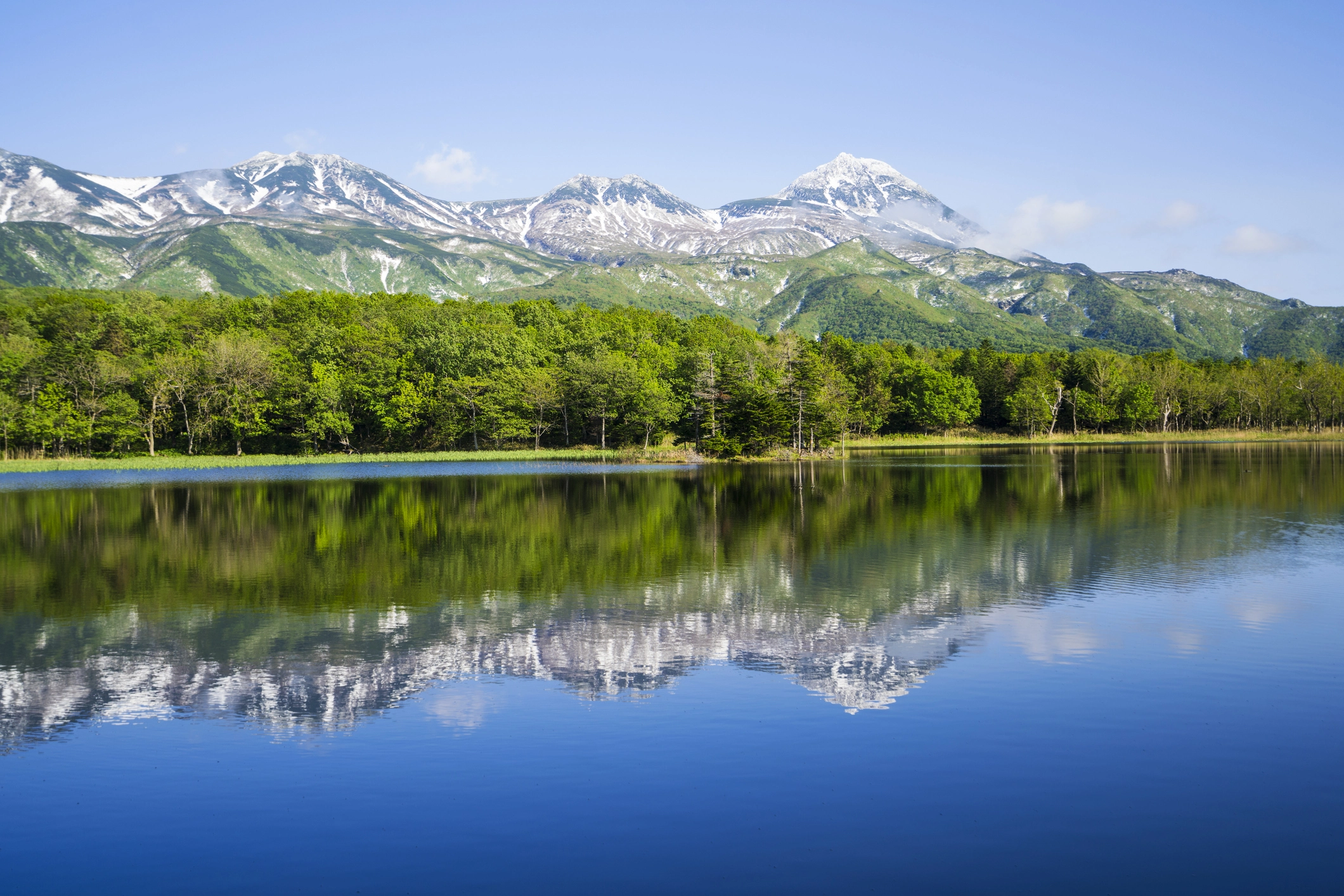
Shiretoko means roughly "the end of the earth" in the Ainu language. The peninsula stretches approximately 65 kilometres from northeastern Hokkaido into the Sea of Okhotsk, its northern section has no roads and can only be reached by boat or on foot. UNESCO inscribed Shiretoko on the World Heritage List in 2005, making it one of the few Japanese sites to include a protected marine zone. From January to March, drift ice reaches the shore. In autumn, salmon run the rivers, and brown bears and Steller's sea eagles appear along the water's edge. Boats depart from Rausu harbour for orca watching. Shiretoko is one of the last places in Japan where nature, not people, holds complete dominion. Experiencing this region firsthand is something entirely its own.
Ginzan Onsen
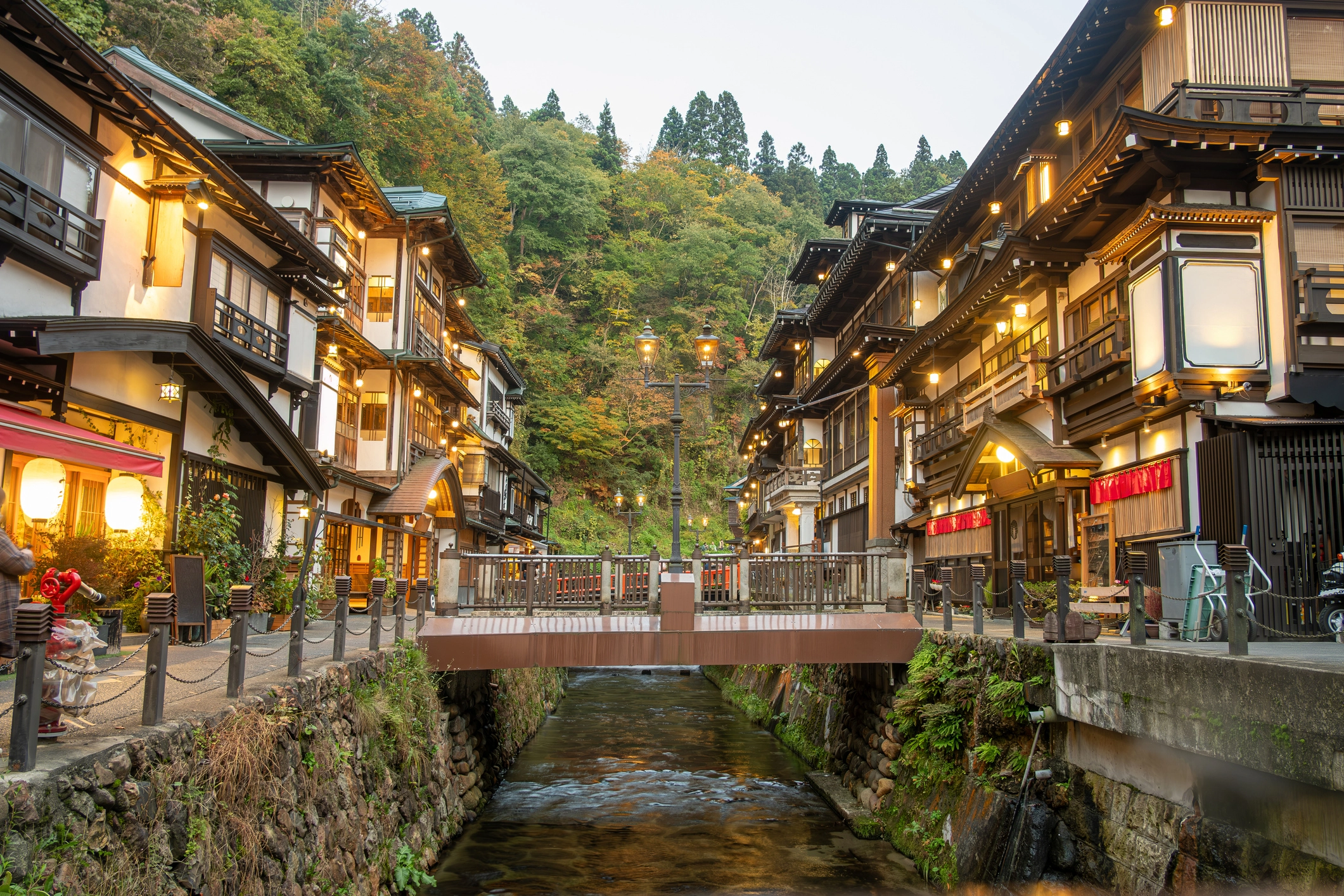
Gin-zan translates not as spa, but as silver mountain. Ginzan Onsen lies in a mountain valley in Yamagata Prefecture. A hot spring was discovered here during the Edo period, when silver mines operated in the surrounding hills. Along the Ginzan-gawa river stands a row of multi-storey wooden ryokan – traditional Japanese inns – from the Taishō era (1912–1926), their facades having passed through the entire twentieth century without significant alteration. In the evening, you cross a stone bridge as gas lamps illuminate the facades reflected in the river below. In the morning, a forest trail leads you to Shirogane-no-taki waterfall above the spa town. In winter, steam rises from the thermal springs over the river, and snow blankets the rooftops of the ryokan.

©Yue-Ting Lin, Unsplash
Naoshima
The Chichu Art Museum has not a single window facing outward, yet Monet's Water Lilies hang in its galleries lit exclusively by natural daylight. Naoshima is a small island in the Seto Inland Sea that the Fukutake Foundation has been systematically transforming into an open-air gallery since 1992. Alongside the Chichu Art Museum, the renowned architect Tadao Ando designed the Benesse House Museum and the Lee Ufan Museum, each set into the hillside so as not to disturb the view across the bay. In the Honmura district, the Art House Project takes you through former fishing houses that now serve as permanent contemporary art installations. At the harbour pier, Yayoi Kusama's yellow polka-dotted pumpkin awaits – the island's unofficial symbol.
Experiences That Mean Something
In Japan, rise early to watch sumo wrestlers at their morning training, learn the secrets behind a proper dashi broth, and witness the traditional craft of Japanese knife-making.

©Alessio Roversi, Unsplash
Keiko – Morning Sumo Training in Ryogoku
Training begins before dawn, while most of Tokyo is still asleep. Ryogoku sits on the eastern bank of the Sumida River, and the surrounding alleyways are home to numerous heya – wrestling stables – where the daily rhythm of sumo has been maintained for centuries. Keiko, the morning training session, follows strict unwritten rules: visitors sit on the floor and remain silent. You arrive before daybreak, settle along the wall, and watch as rikishi – wrestlers – repeat shiko, full-footed stomping squats, dozens of times before moving on to the first bouts on the dohyo, the clay ring. At the end of the session, the surface of the ring is smoothed flat with a wooden pole, and few would ever guess that any training had taken place at all.

Dashi workshop
Japanese cuisine is built not on sake or wasabi, but on a broth you cannot identify in a dish, yet notice immediately when it is absent. Dashi, the foundational stock, forms the flavour base of miso soup, ramen, tamagoyaki – the rolled omelette – and most sauces, yet it calls for no more than two to four ingredients. In the workshop, you learn to work with kombu, sun-dried kelp, and katsuobushi, thin shavings of dried and fermented bonito, and to understand why water temperature, off by a single degree, changes the outcome. Tasting ichiban dashi – the first steep – alongside niban dashi – the second – is one of the most compelling demonstrations that Japanese cuisine is built not on complexity, but on precision.

©Jaipreet Singh, Unsplash
The Art of Hōchō
In Sakai, a single knife is never made by a single person. The blacksmith – kaji-ya – forges the blade, the sharpener – togi-ya – grinds the edge, and a third craftsman fits the handle. This division of labour has held since the sixteenth century, when the local tobacco knives were awarded the Sakai Kiwame seal of approval by the Tokugawa shogunate. During the long peace of the Tokugawa period, demand for katana declined, and blacksmiths transferred their hardening and sharpening techniques to kitchen blades – hōchō. To this day, 98 percent of the professional knives used by Japanese chefs come from workshops in Sakai, on the shores of Osaka Bay. In a small forge, you will smell the smoke from the furnace, hear the strike of the hammer, and hold in your hand a blade engraved with the master's name.
Japan awaits. Shall we go?
Every journey is different, just as every one of our clients is. At Meraki, we know this well – which is why we approach every enquiry individually, with a single goal in mind – to meet your expectations down to the last detail.
Plan Your TriP
Let's plan your dream holiday together!
We would love to meet with you to design and refine every detail of your itinerary, tailored to your wishes, your destination, and the time of year. Discover how we at Meraki Tours approach every journey – with an emphasis on detail, freedom, and authentic experiences.

DISCOVER MORE
More popular destinations


