Vietnam

Tailor-Made Trip


Best Time to Visit:
NOV – APR (depending on region)

Accommodation:
Hotels and traditional stays

Main Highlights:
Landscape, gastronomy, history

Price Level:
$$

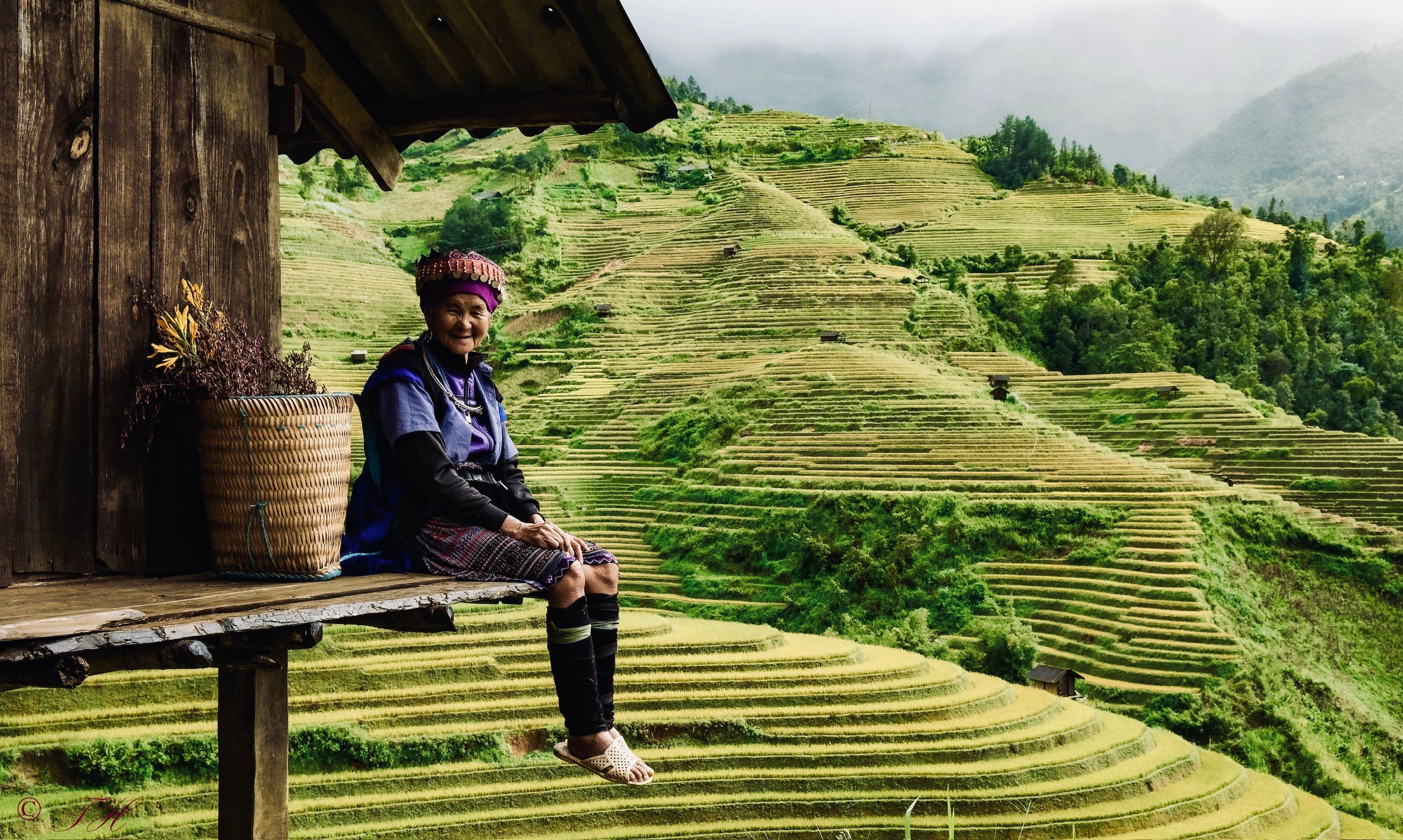
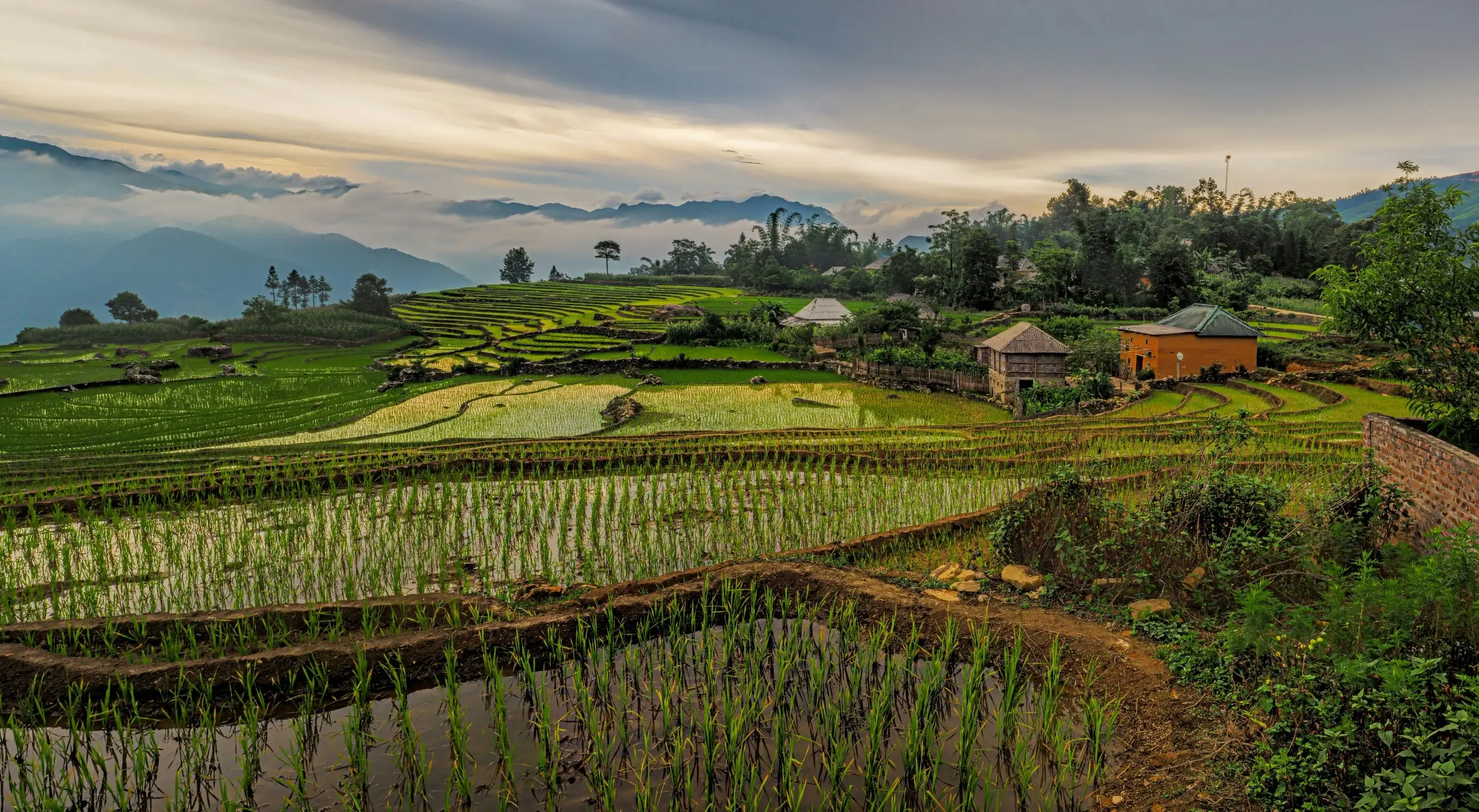
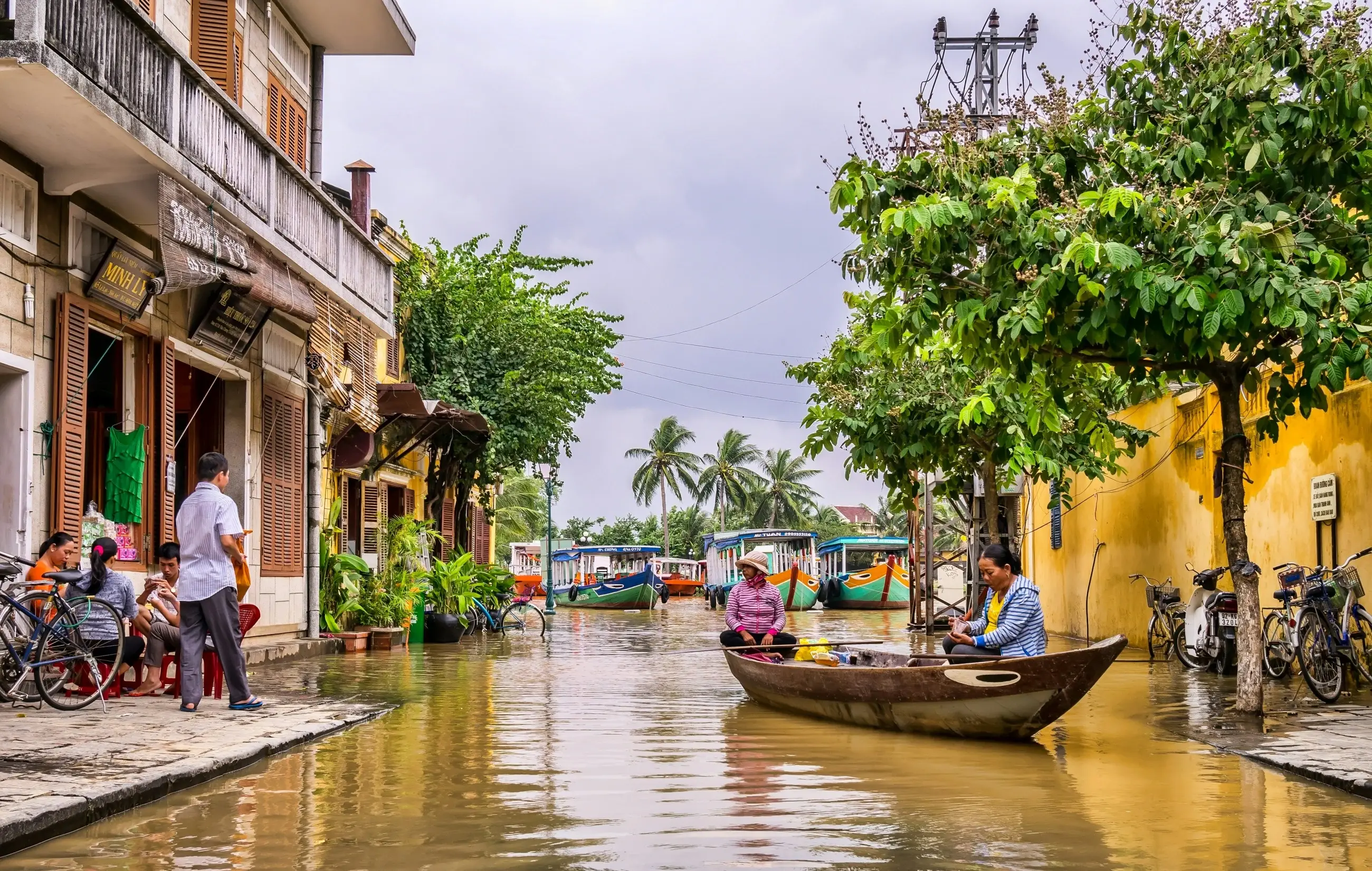
In the traditional image, Vietnam is a long bamboo pole with two baskets of rice hanging from its ends: the Red River Delta in the north and the Mekong Delta in the south. It is roughly 1,650 kilometres from one basket to the other. Rice shapes the landscape here, from flooded fields that reflect the sky to slopes carved into terraces. In the middle, the pole narrows to a strip only about fifty kilometres wide at its narrowest point. The local cuisine is also built on rice, and it changes on the way from one basket to the other: the north cooks delicately and sparingly, the centre spicily, and the south more sweetly, with coconut milk and heaps of fresh herbs. And in the Tây Nguyên highlands, coffee is grown, which makes Vietnam the second-largest producer in the world after Brazil. Almost the entire crop is robusta, which is made into coffee dripped slowly through a phin filter, often with condensed milk.
What to see and do in Vietnam

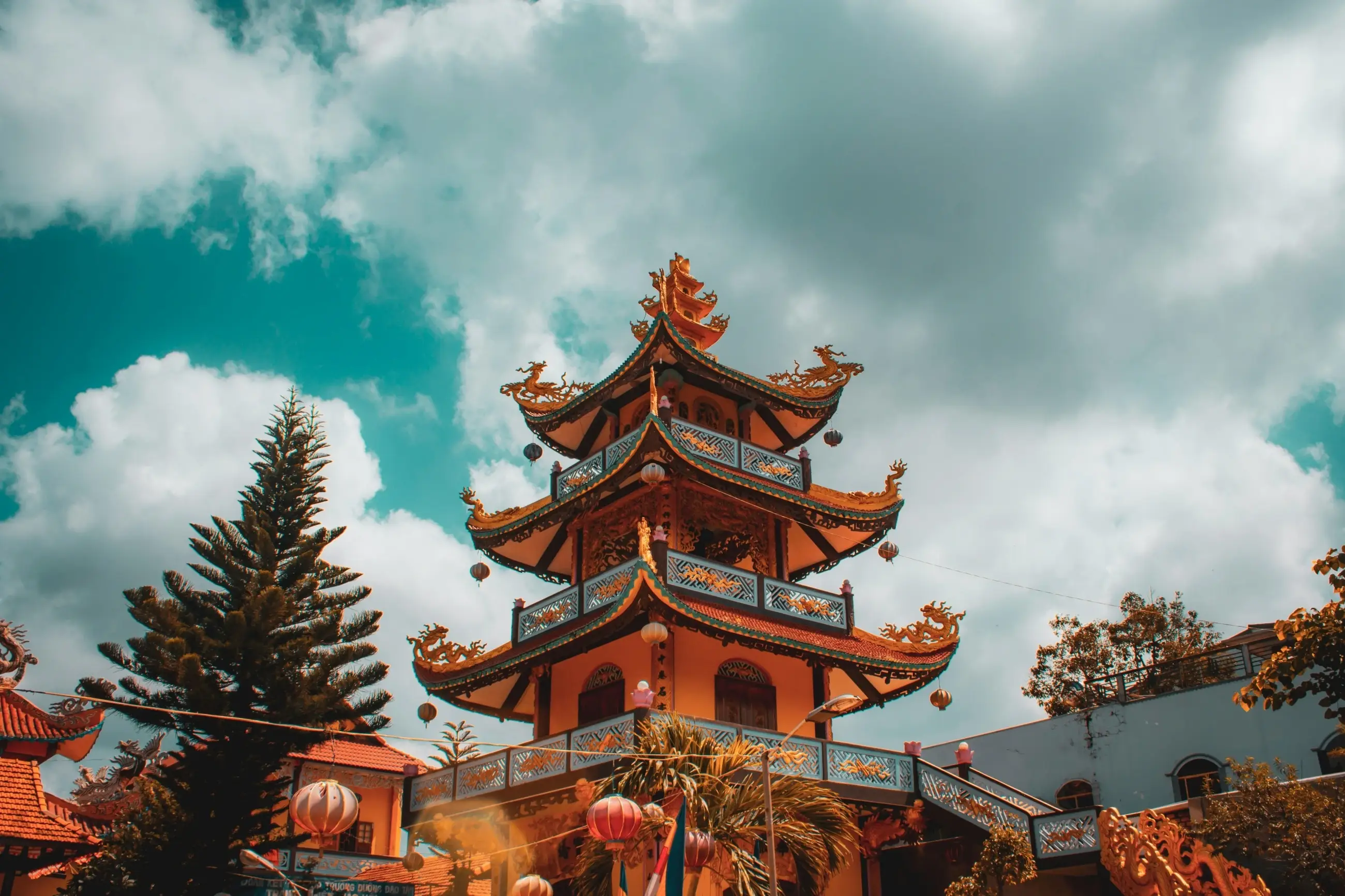
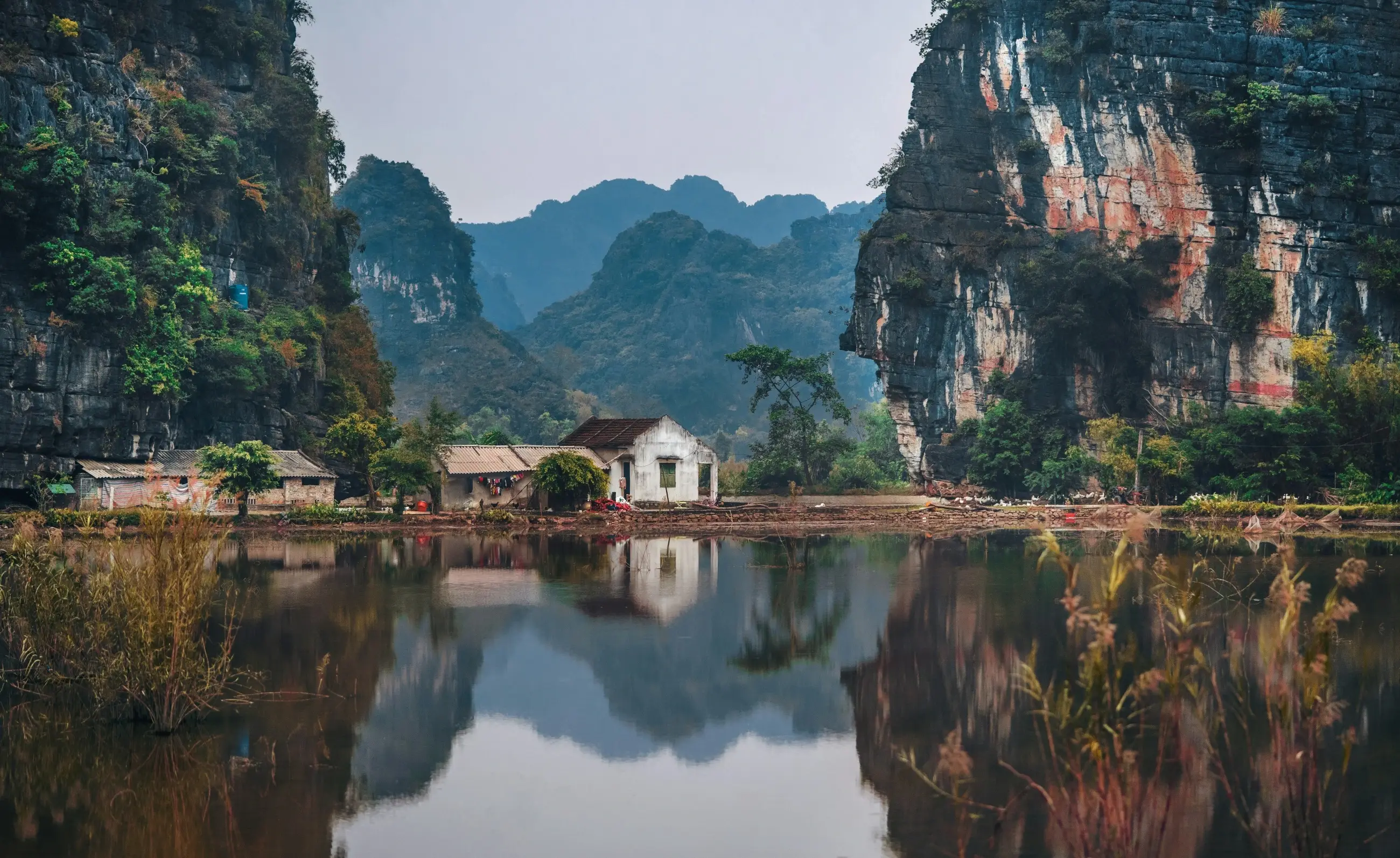
Climb Fansipan, the highest mountain in Indochina at over 3,100 metres, and in Ninh Bình sail through the tunnels beneath the rock towers of the UNESCO site Tràng An. Descend into caves with underground rivers in Phong Nha-Kẻ Bàng National Park and drive across the Đồng Văn plateau in Hà Giang, a UNESCO geopark with canyons up to 800 metres deep. In Hanoi, visit the Temple of Literature, the country's first university. In Hue, see the imperial citadel and taste bún bò Huế, a soup with lemongrass. Set off before dawn for the Cái Răng floating market in Cần Thơ. The rice terraces of Mù Cang Chải turn golden in September and October.


Places with soul
Hue

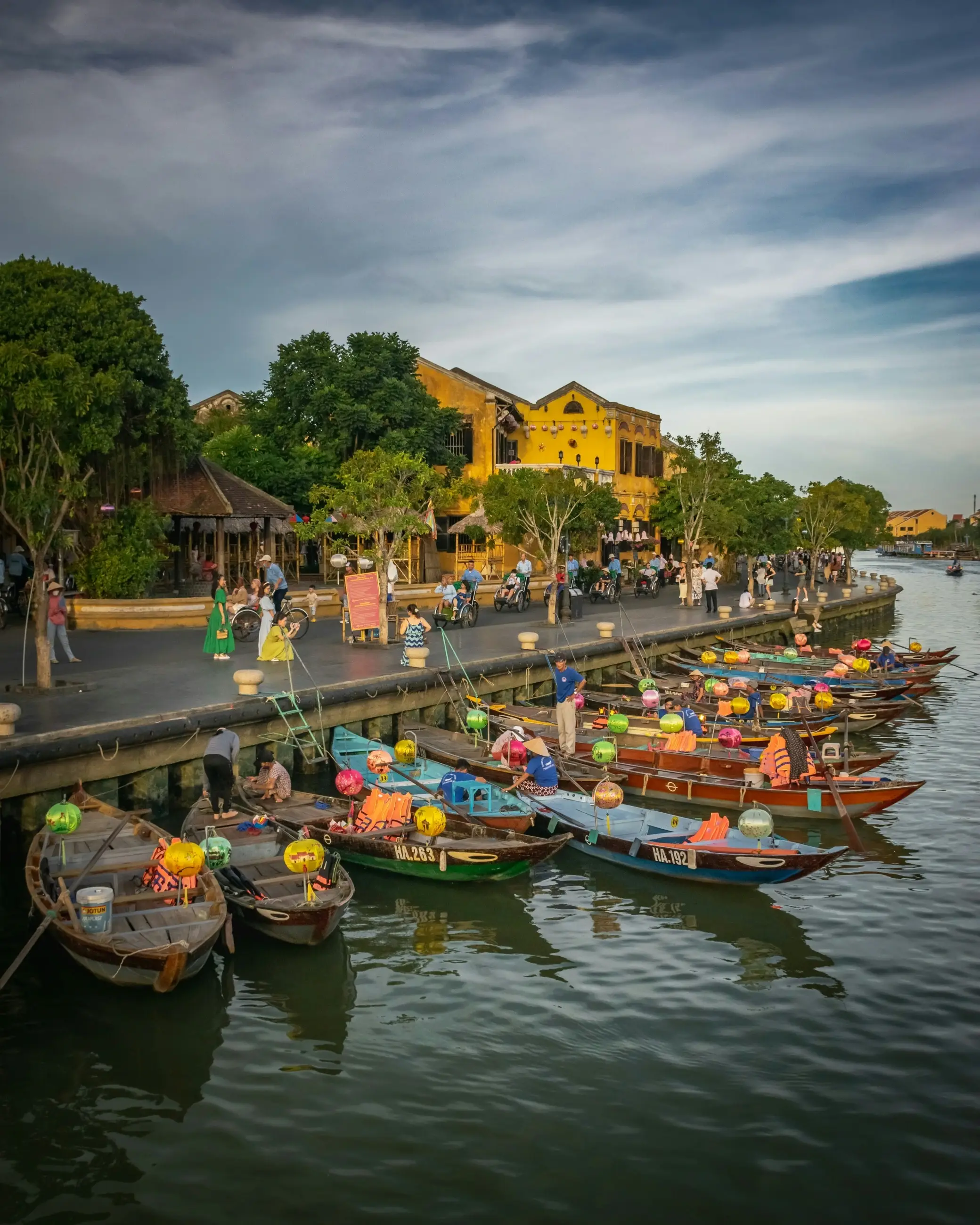
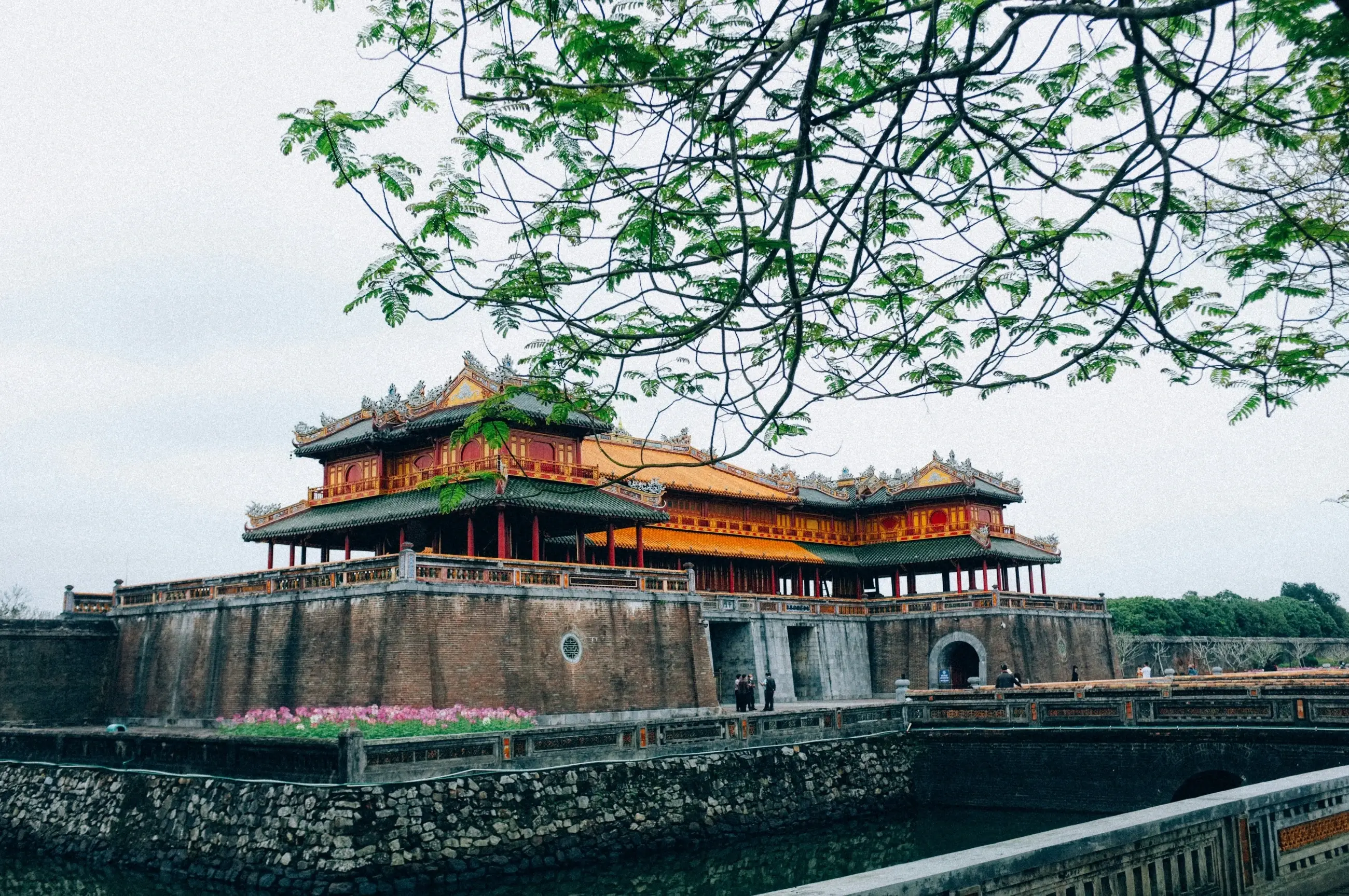
From 1802 to 1945, Hue was the seat of the emperors of the Nguyễn dynasty, and its citadel, with its moat, gates and palace halls, has been on the UNESCO list since 1993. The Perfume River flows through the city, and you can sail along it by dragon boat to Thiên Mụ Pagoda and on to the imperial tombs hidden in forests and beside lakes. The tomb of Khải Định is exceptional, as Vietnamese architecture blends with European here. The imperial court also left behind a cuisine: spicy beef soup bún bò Huế with lemongrass and small rice cakes bánh bèo garnished with dried shrimp are eaten here in ordinary eateries. In a single stay, you can thus get to know the last Vietnamese dynasty in the palace, in the tombs and on the plate.

Dong Van Karst Plateau

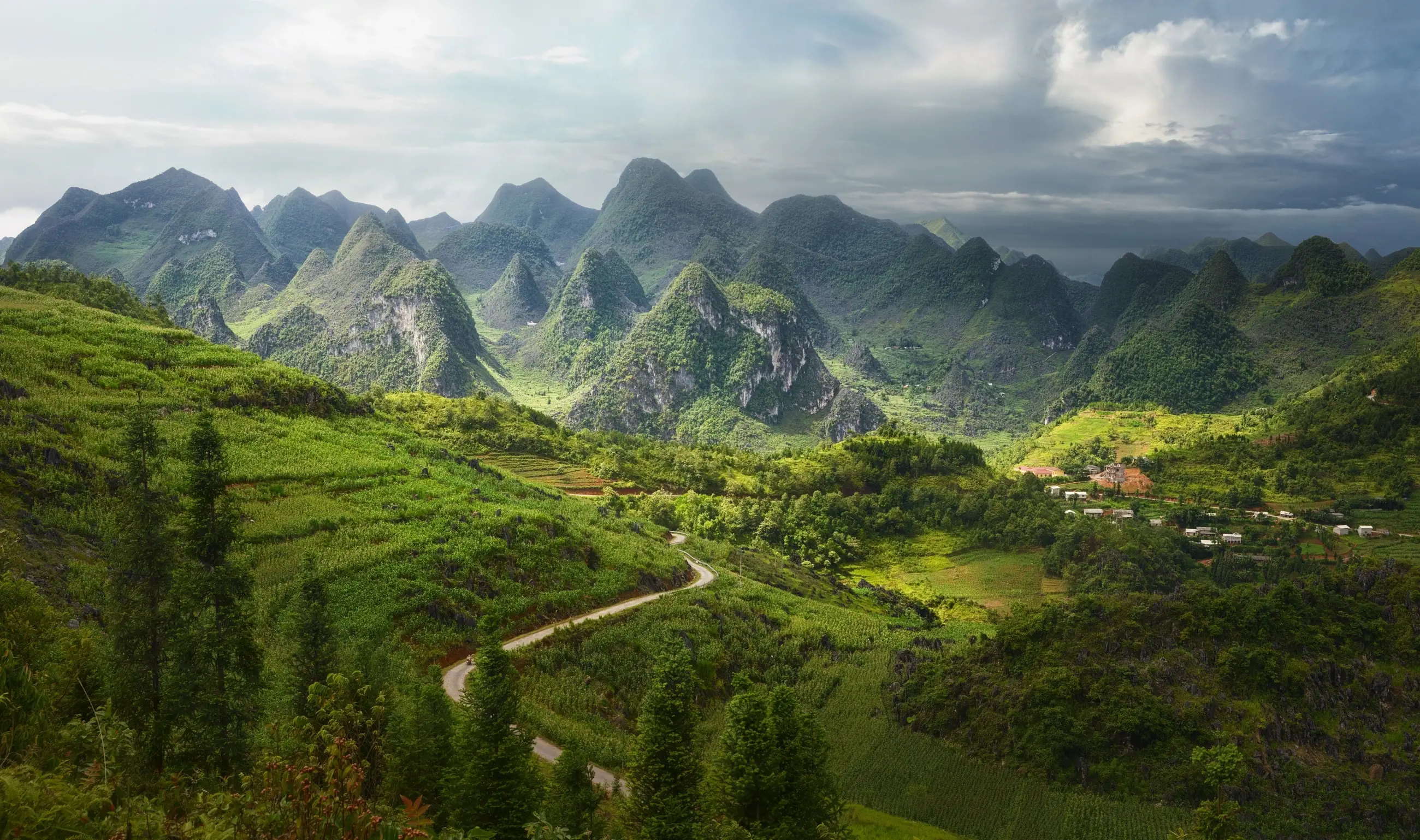
The plateau near the Chinese border is sixty per cent limestone, and sharp peaks are cut through by deep canyons. The Nho Quế River flows through one of them, and its walls are 700 to 800 metres high, among the deepest in Southeast Asia. The Mã Pí Lèng Pass leads to the canyon, where a road carved into the rock offers a view of turquoise water hundreds of metres below, and you can also travel through the canyon by river on a small boat. At the northern tip stands the Lũng Cú flagpole, regarded as the northernmost point of Vietnam. Seventeen ethnic groups live in the area, most of them Hmong, and from October to November pink buckwheat blooms on the slopes. Anyone who crosses the plateau by their own means will connect wild geology with the life of communities that have held on here for centuries.

Kon Tum

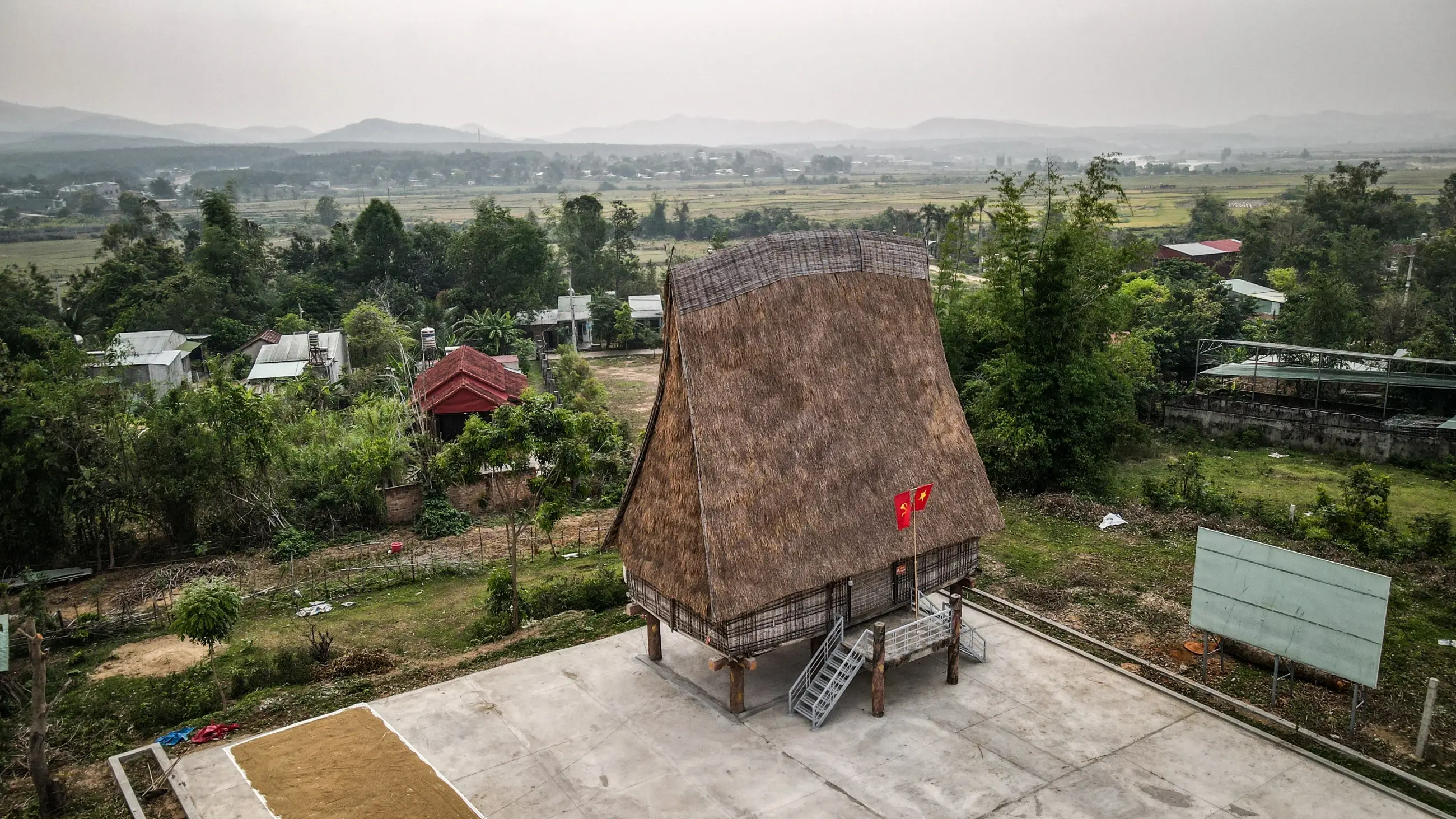
Above the wooden houses on stilts rises the thatched roof of the nhà rông (communal house), steep as an axe blade. For the Bahnar and Jarai people around Kon Tum on the Đắk Bla River, the nhà rông is the heart of the village: elders meet there to deliberate, and the village holds ceremonies and welcomes guests there. You will cross the Kon Klor suspension bridge to the Bahnar village of Kon K'Tu, where you will stay overnight with a local family and ride along the river in a dugout canoe. You can tell who built a house by its staircase: the Jarai decorate it with a carved gourd, the Bahnar with a fern shoot. In the town stands a wooden cathedral from 1913 to 1918, into which a French missionary incorporated the forms of Bahnar buildings. You get to know the Central Highlands not from a viewpoint, but from the threshold of a house, where the village decides for itself.

Tra Vinh

Trà Vinh in the Mekong Delta is one of the few places in Vietnam where the Khmer make up almost a third of the population, which is why more than 140 pagodas with decorated roofs and statues of mythical naga serpents stand here among rice fields and palms. According to records, Âng Pagoda by the Bà Om pond was founded in 990. Hang Pagoda, whose name means cave, is entered through a gate resembling a cave. Birds nest in the crowns of old trees. Monks carve statues from roots here. Usually in November, at the full moon of the tenth lunar month, Ok Om Bok, the Moon Festival, is celebrated, with races of ngo (long boats). You can thus get to know Khmer culture, for which the pagoda is not just a monument, but a school, a shrine and a meeting place.


Experiences that make sense

Coffee Culture in Buon Ma Thuot

Buon Ma Thuot is the coffee capital of Vietnam: Dak Lak province, whose centre it is, supplies roughly a third of Vietnamese production, mainly robusta, and the cafés are full from early morning. Coffee is part of the life of the local Ede and M'nong people. The main harvest runs from November to January, when you can pick the coffee cherries yourself on the plantations, roast the beans and brew coffee from them, or taste coffee prepared by the traditional Ede method. In the World Coffee Museum, opened in 2018, you will see more than ten thousand exhibits from around the world. In cafés ranging from colonial villas to gardens above the valley, you will have robusta from a metal phin filter, usually with condensed milk. In a single town, you can thus go through the whole story of coffee from bush to cup.

Hmong Indigo Batik

White lines on dark blue fabric are made by Hmong women drawing with hot beeswax and then dyeing the fabric with indigo: where the wax covers the fibres, the dye does not take. In Sa Pa, you will try drawing with a traditional pen on fabric that your host then dyes in natural indigo, and you will take the finished piece away with you. In the Hmong village of Lung Tam in Ha Giang province, you will then see how much work stands behind such fabric: every woman grows her own flax in her own field, and the woven fabric has to be dipped in indigo five to six times, which takes three to four days in sunny weather. From the mountains, you will take home not just a souvenir, but an idea of how much patience each piece carries.

Midday Ceremony at the Cao Đài Holy See, Tay Ninh

The main temple of Caodaism in Tây Ninh has two bell towers, columns wrapped in dragons and a ceiling painted as a sky with clouds and stars. The eye in a triangle, the symbol of God, is repeated everywhere. Caodaism, a Vietnamese religion from 1926, combines elements of Buddhism, Taoism and Confucianism, and the main ceremony is held in the temple every day at noon. Worshippers in white robes kneel in the hall, dignitaries wear blue, yellow and red robes according to their branches, and for about half an hour a choir sings with an orchestra of traditional string instruments. Only worshippers may go down to the hall, so you watch the ceremony from the gallery above. You can thus get to know Caodaism at prayer, not just from books and photographs.


Vybrané prémiové ubytování

XXX

xxx

XXX

xxx

XXX

xxx

Vietnam Awaits. Shall We Go?

Every journey is different, just as every one of our clients is different. At Meraki, we know that well, which is why we approach every enquiry individually, with a single goal: to meet your expectations down to the last detail.

Plan your trip

Let's plan your dream holiday together!

We would be happy to meet with you to design and fine-tune every detail of your itinerary to suit your wishes, destination or season.

  • Individual tour
  • Group tour

By submitting the form you agree to the processing of your personal data for the purpose of responding to your enquiry. More about GDPR here.