


Norway
Tailor-Made Tour
Best Time to Visit:
All Year
Accommodation:
Hotels, Cabins, Camping
Main Highlights:
Fjords, Nature, Sports Activities
Price Level:
€€€€€
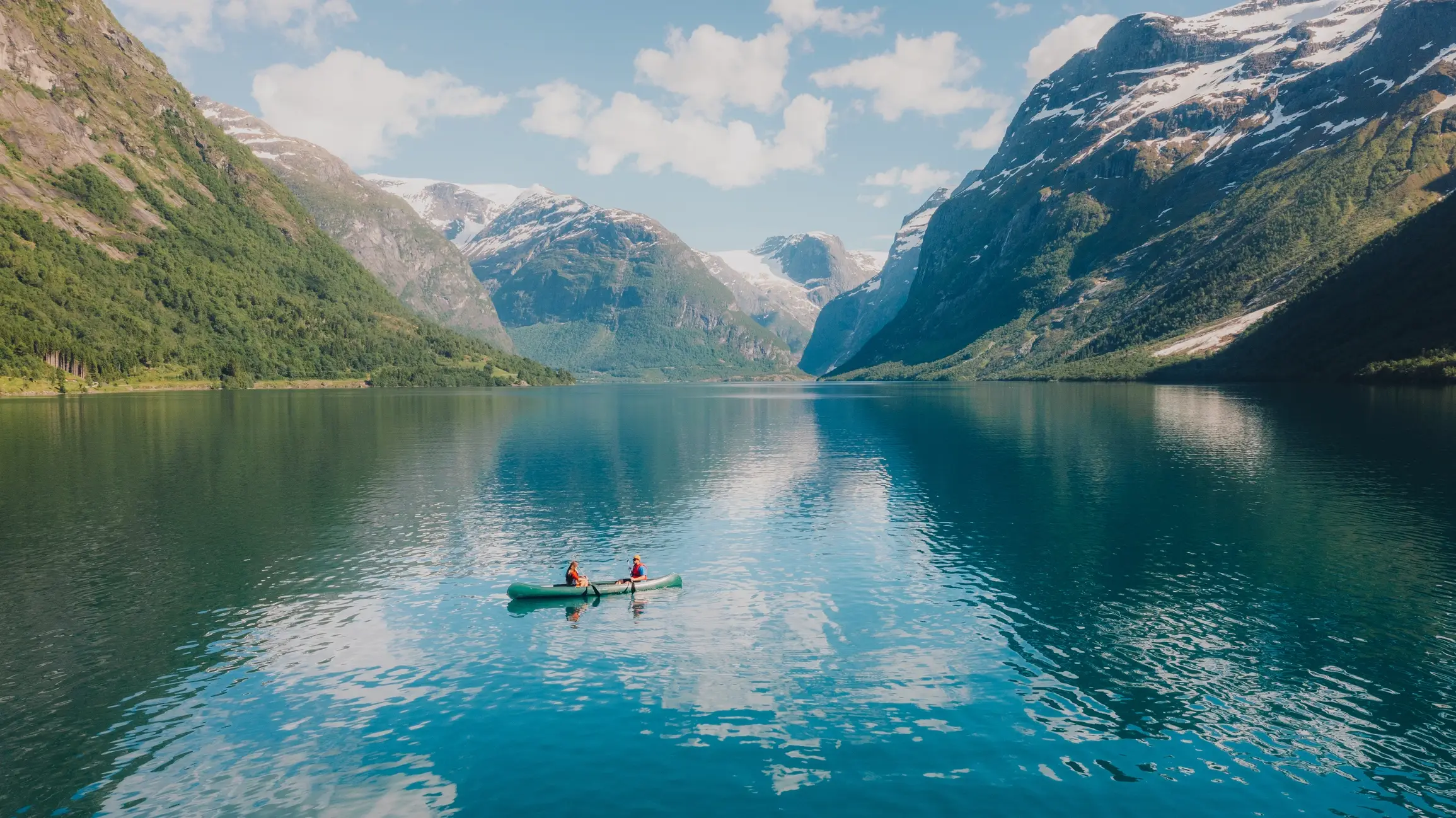
The word friluftsliv, meaning life in the open air, was first used by Henrik Ibsen in 1859 and has since described the way Norwegians spend their free time. For fewer than six million inhabitants there are over 450 000 cabins known as hytte, roughly one for every twelve people, and on Friday afternoons the cities empty out towards the mountains and fjords. Since 1957 the freedom to roam has been set out in a law known as allemannsretten, so in Norway you can pitch a tent and pick blueberries even on land that is not your own. Such a right, however, only makes sense where there is somewhere to go. The fjords in the west cut dozens of kilometres inland, above them lie the glaciers of Jotunheimen and, further south, the bare plains of Hardangervidda, where Europe's largest herd of wild reindeer grazes. The season then sets the pace of the whole year. In Tromsø the sun does not set from the end of May to mid-July and does not rise at all from the end of November to mid-January.
What to See and Do in Norway
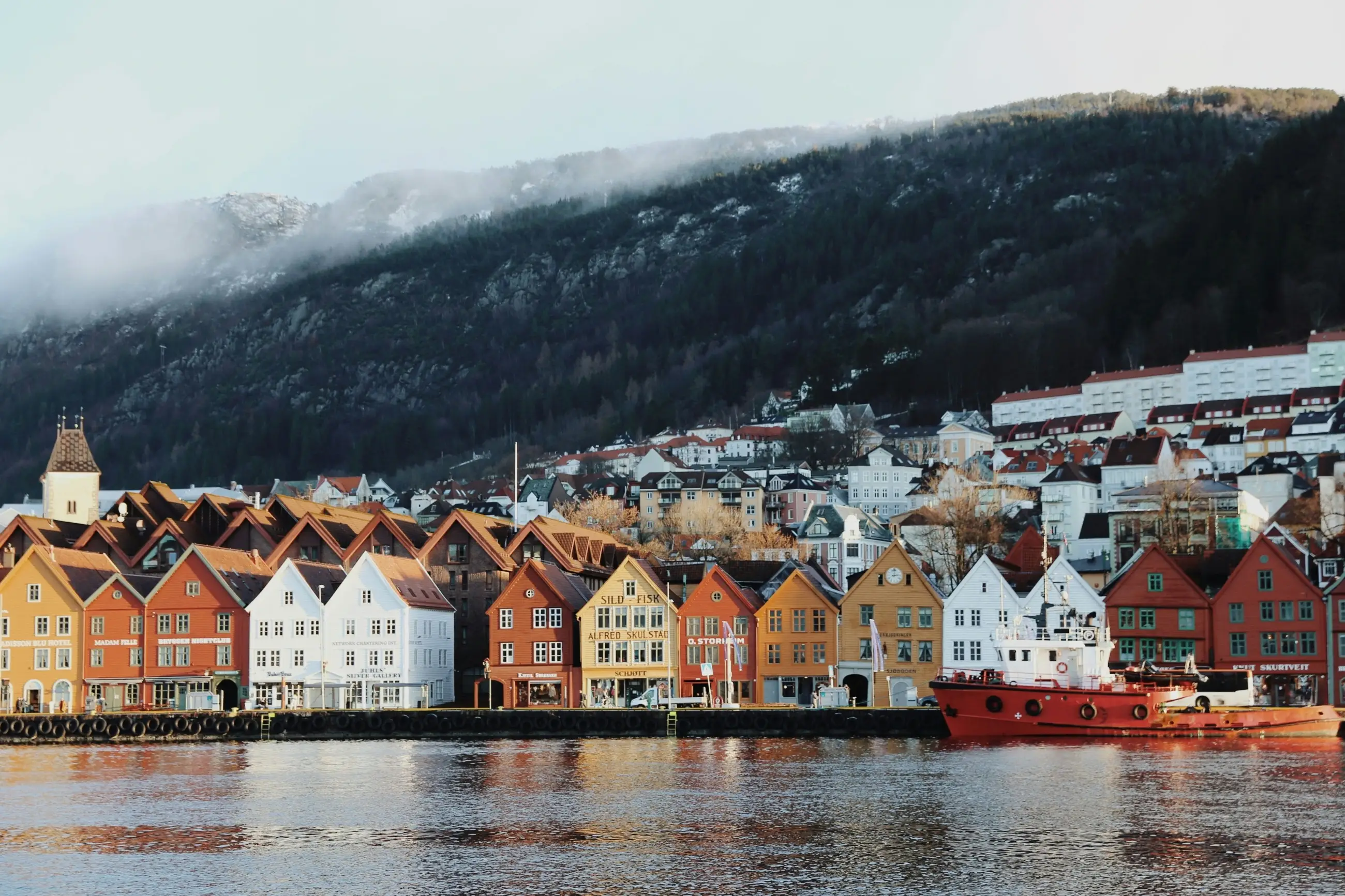
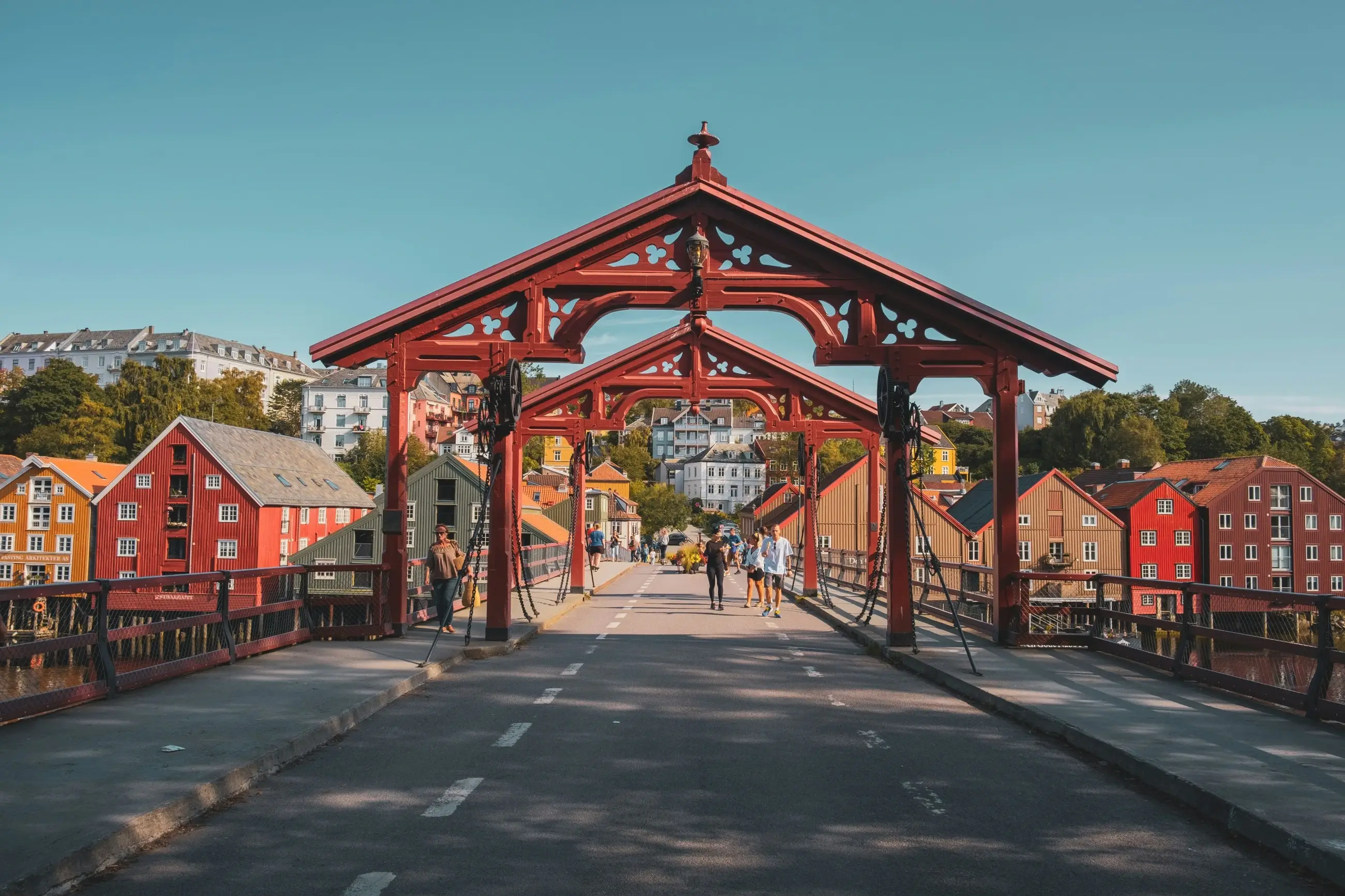
Climb Preikestolen, a granite plateau 604 metres above Lysefjord. Cross the Besseggen ridge between the lakes Gjende and Bessvatnet, whose water levels are 400 metres apart in height. Take a boat to the foot of the Nigardsbreen glacier tongue and in Bergen walk through the wooden alleys of the Bryggen district. Ride the Flåm Railway, which climbs 860 metres over 20 kilometres, and in Oslo see more than 200 sculptures by Gustav Vigeland. In Trondheim, step into Nidaros Cathedral, the destination of pilgrimage routes a thousand years old. Above Tromsø you can expect the northern lights between October and March.
Places with soul
Oslo
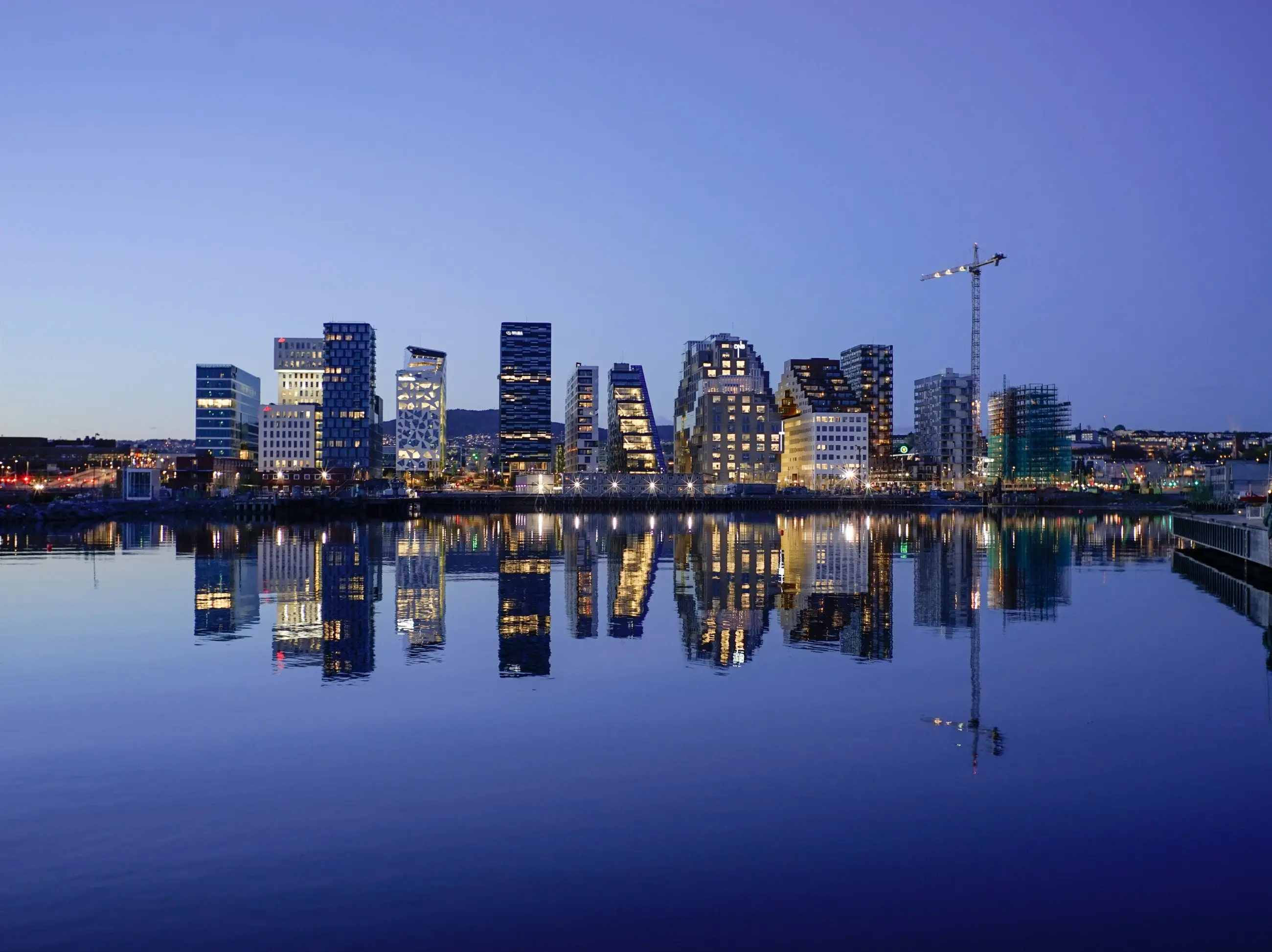
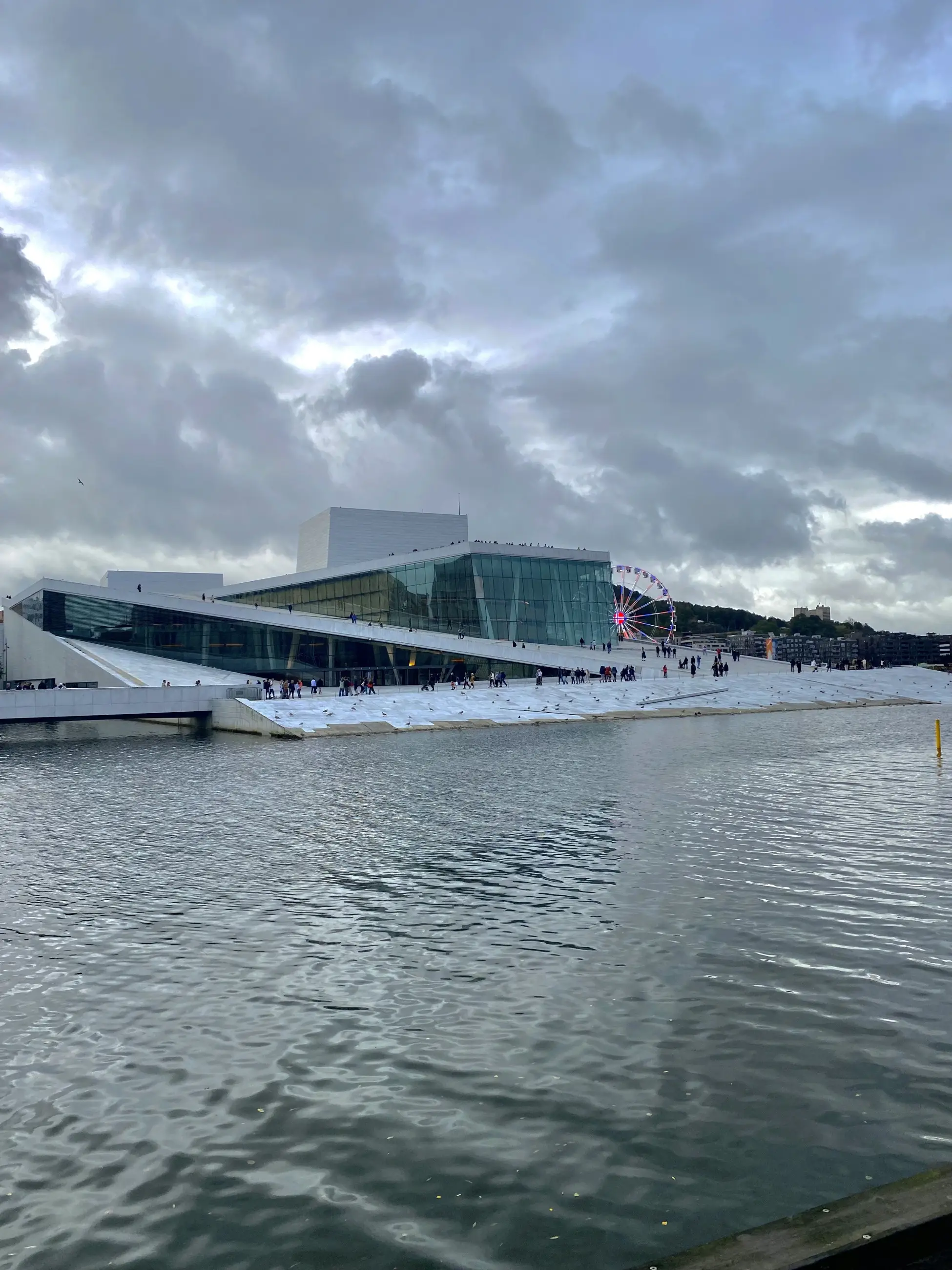
Oslo lies at the head of the Oslofjord. In Bjørvika, a district that until recently was a container port and a motorway junction, the city's boldest architecture now stands. The Opera House by the Snøhetta studio, completed in 2008, has a white roof of marble and granite. It slopes down to the water and you can walk up it for free, with a view over the fjord and the city. Behind the Opera House rises a row of narrow towers known as the Barcode, the MUNCH museum with works by Edvard Munch stands nearby, and on the waterfront a little further on people swim from floating piers in summer. In a single afternoon you can see how a Nordic city rebuilt its port into a pedestrian waterfront, and in the evening you can head to a ballet or opera performance.
Lofoten
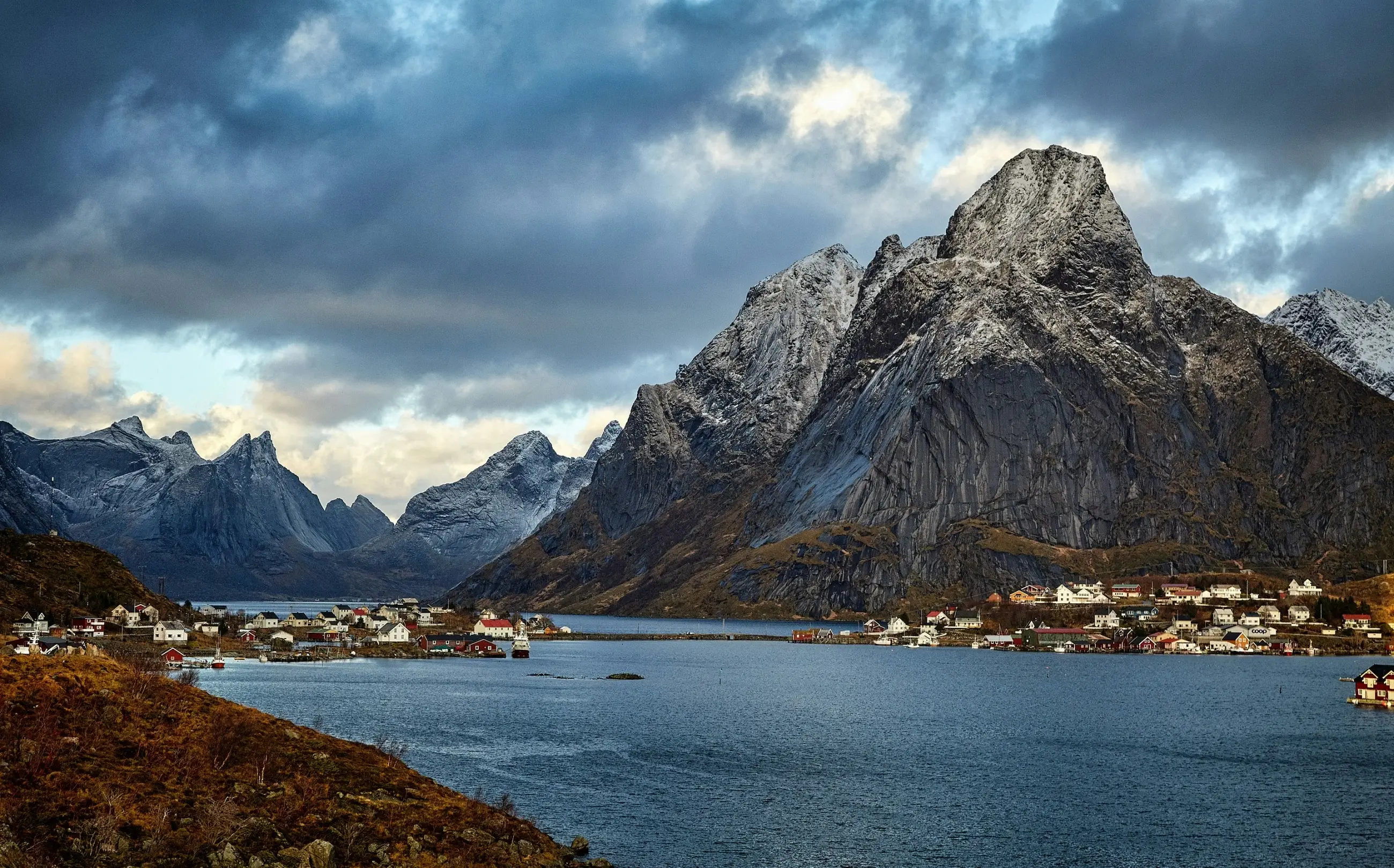
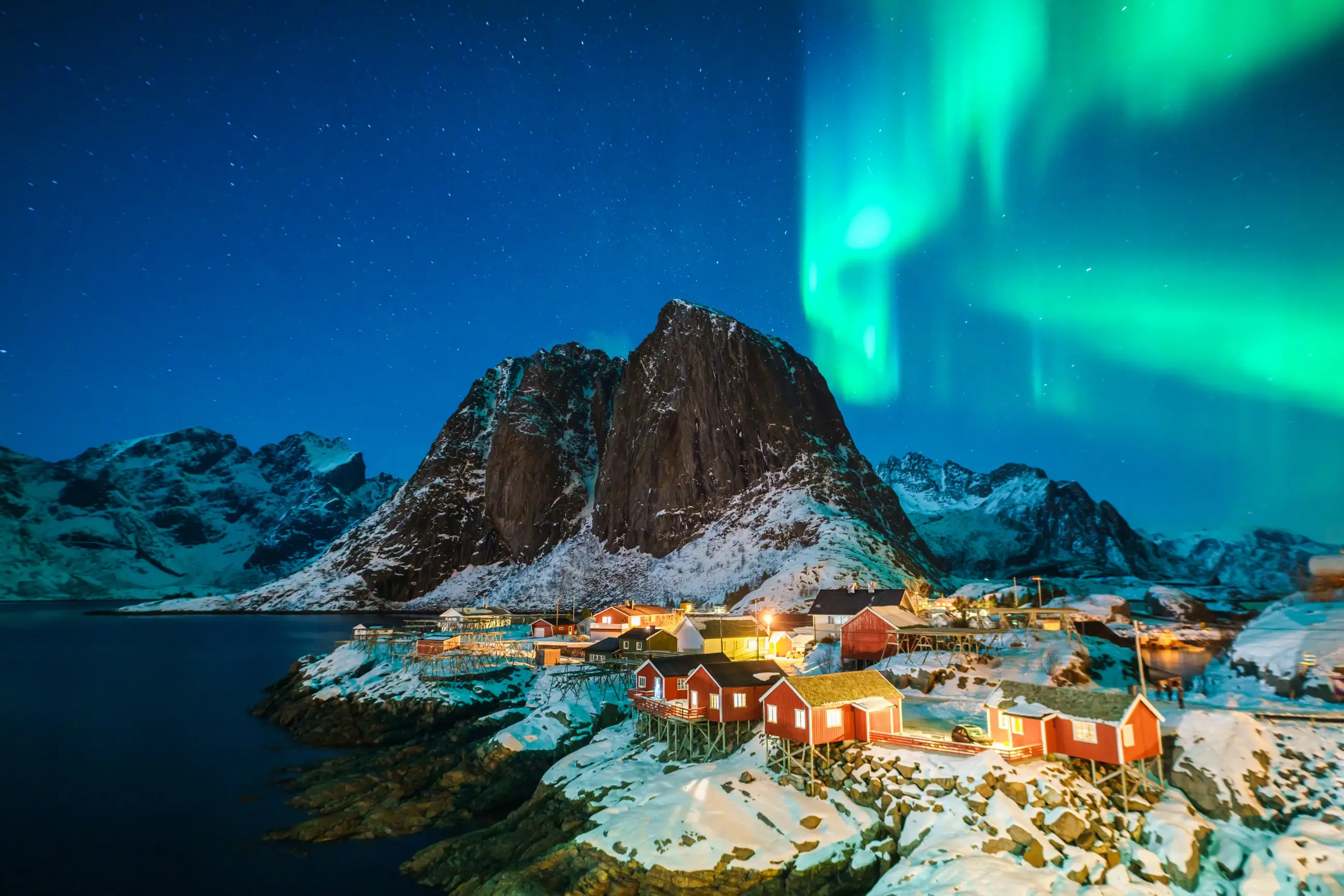
Lofoten is an archipelago above the Arctic Circle, where granite peaks rise straight out of the sea and people have lived from cod for over a thousand years. From January to April, skrei cod comes here to spawn, and on the wooden racks known as hjell by the harbours, fish are dried into stockfish. On clear nights the northern lights appear above the mountains. From the end of May to mid-July the sun does not set, so you can set off even at midnight to the viewpoints above the fjords near Reine, or to Kvalvika beach, which can only be reached on foot. You will stay in a rorbu, an original fishing hut on stilts, and after a hike you will return directly to a village where fishing took place long before tourists arrived.
Tromsø
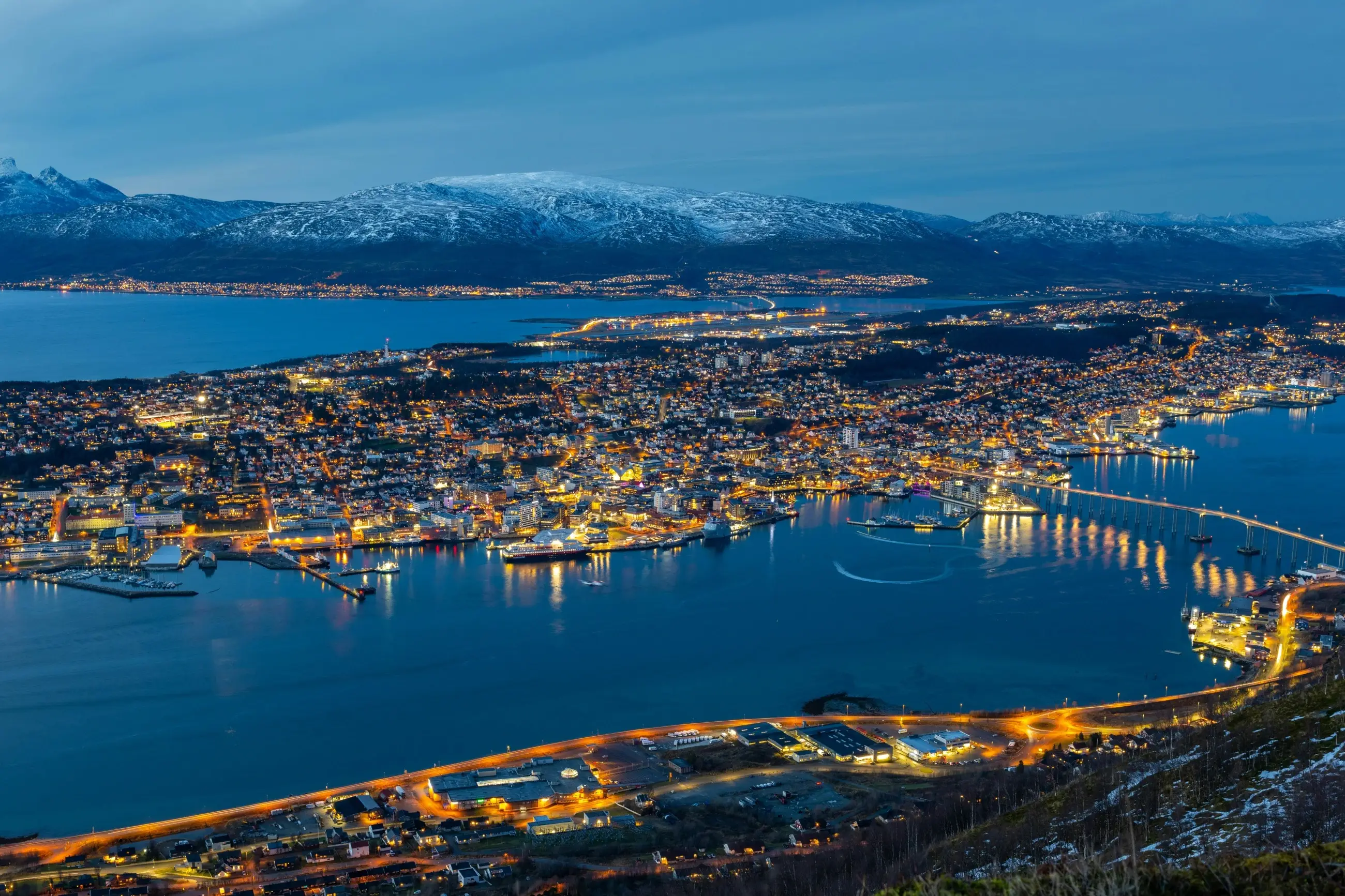
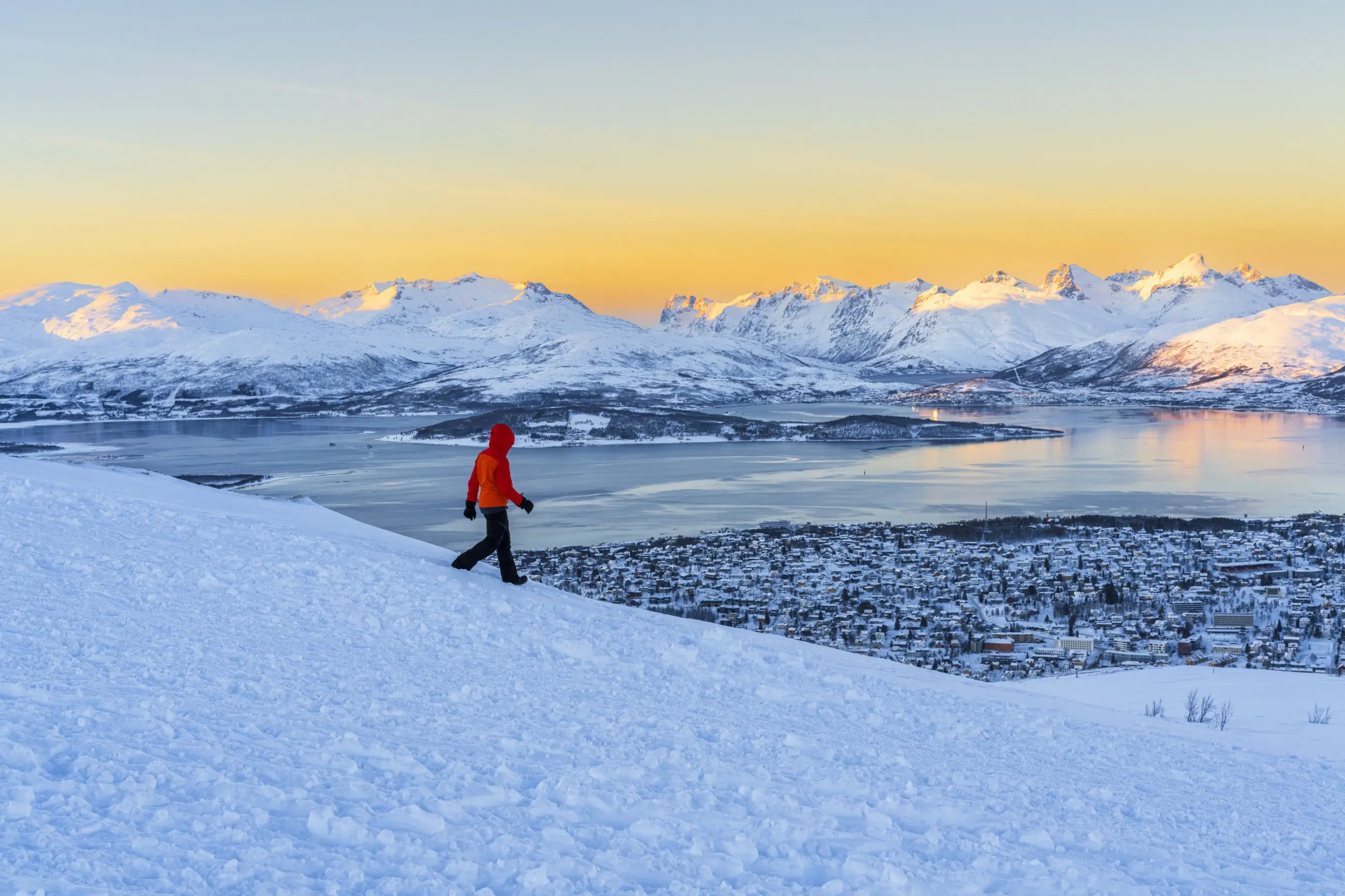
Tromsø lies on an island between fjords and mountains, roughly 350 kilometres north of the Arctic Circle, and yet it is a lively university city with a cathedral, cafés and a harbour from which hunters and polar expeditions once set out further north. In winter, on clear nights, the northern lights appear above the rooftops, because the city lies in the belt where they appear most often. Boats also leave the harbour to see orcas and humpback whales in the surrounding fjords. In summer the sun does not set for two months, and people walk up to the Storsteinen viewpoint above the city even at midnight. In one city you can therefore experience the Arctic in both its winter and summer form, and in the evening return to comfort, where the wilderness begins right behind the last houses.

Hardangervidda
Hardangervidda is the largest mountain plateau in Europe: tundra at an altitude of around 1 100 metres, dotted with thousands of lakes, where you will walk for days without a single tree. In summer people hike from hut to hut along marked trails, and on the western edge the plateau drops into deep valleys, where Vøringsfossen plunges 182 metres into a canyon. It is home to the largest herd of wild reindeer in Europe, the only one in Norway that still moves across the plateau along its natural routes, and with a little luck you may spot it. From Finse, which you can reach by train from Oslo or Bergen, you can walk to the Hardangerjøkulen glacier. By train you therefore reach the Nordic wilderness with a real sense of remoteness.
Experiences that make sense
Visit to a Sámi Family and Reindeer Herding
In the herding area, which covers roughly 40 per cent of Norway, only the Sámi are allowed to keep reindeer, and some of them let visitors join their herd. The family will welcome you in a lávvu (a portable tent), let you feed the reindeer by hand, try throwing a lasso, and take you on a reindeer-drawn sledge through the snowy landscape above the Arctic Circle. At the table you will then taste the food they cook, hear joik, traditional Sámi singing, and learn that the herd moves between eight seasonal pastures during the year. In winter, on clear nights, the northern lights may appear above the herd. You will get to know the Arctic through the eyes of people for whom the herd is not an attraction but a livelihood, and see what it is like to live with it.

Trolltunga
A rock slab juts out horizontally from the cliff, without a railing, roughly 700 metres above Lake Ringedalsvatnet, and it can only be reached by those who walk. The 27-kilometre round-trip route first leads up a steep slope above the valley and then across the edge of the Hardangervidda plateau, where stone paths run between dark pools and wetlands, and views open in all directions. You will spend the whole day in the mountains above the town of Odda and at the end of the route stop at the very edge of the rock, high above the surface of the lake. In a single day you therefore walk from the valley floor to the edge of a high mountain plateau, and the reward is a view that cannot be reached by vehicle, only on foot.

Tørrfisk
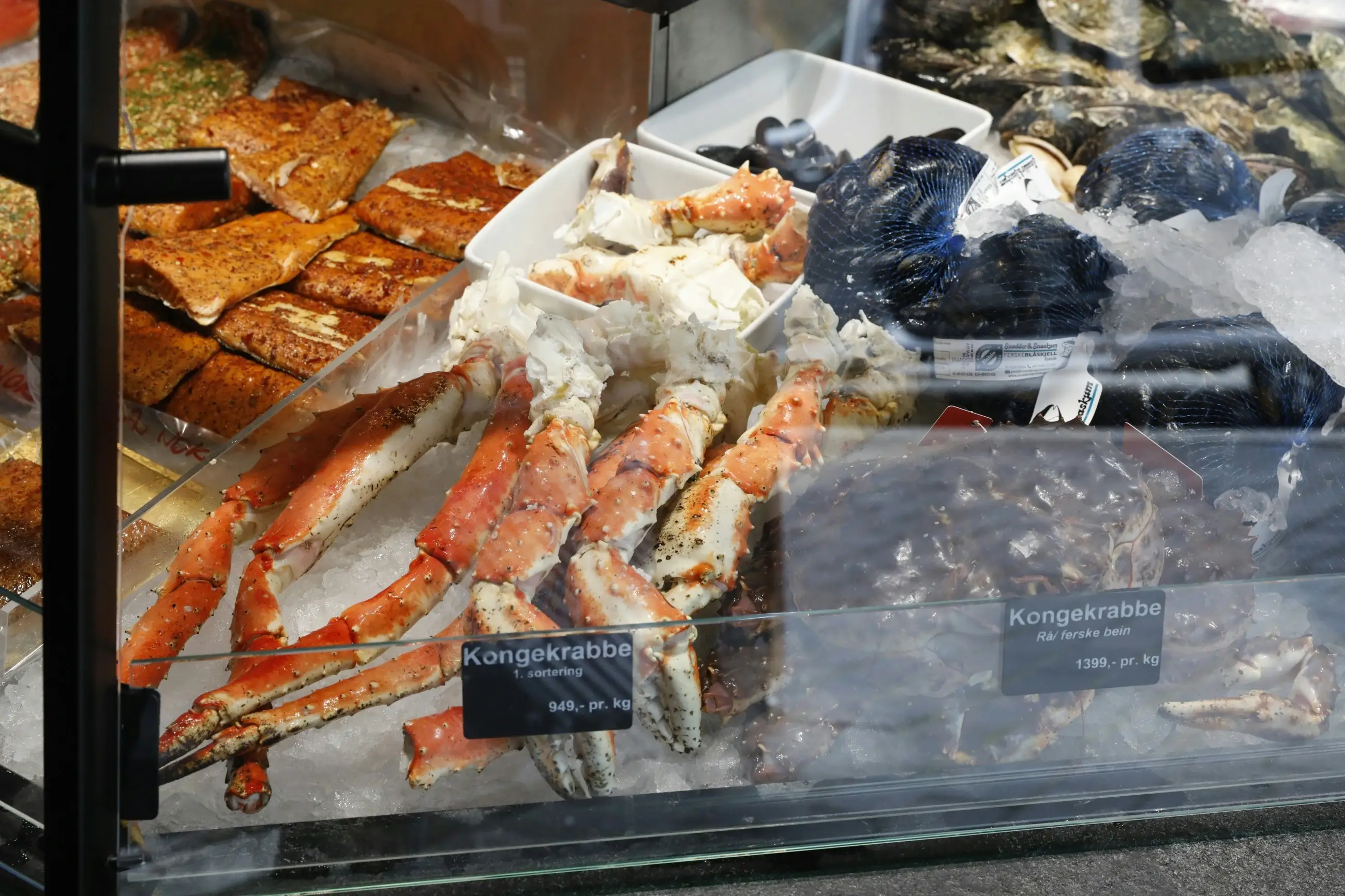
Tørrfisk (dried cod) is dried only by cold air and wind, without salt or smoke, and yet it keeps for years. This is made possible by the narrow climate window of Lofoten: cold enough that bacteria of decay and insects have no chance, but not so cold that the fish freezes and the flesh falls apart. From January to April, skrei cod swims here from the Barents Sea to spawn, and fishermen tie the fish in pairs by the tails onto hjell (wooden racks) immediately after catching them. In the village of Å and in Reine you will see thousands of fish hung this way along the coast and smell the sharp odour of drying, which locals call "the smell of money". In 1432, the Venetian Pietro Querini was shipwrecked near Røst, and the tørrfisk with which his hosts supplied him for the journey home founded the Italian love of baccalà.

Norway Awaits. Shall We Go?
Every journey is different, just as every one of our clients is different. At Meraki, we know that well, which is why we approach every enquiry individually, with a single goal: to meet your expectations down to the last detail.
Plan your trip
Let's plan your dream holiday together!
We would be happy to meet with you to design and fine-tune every detail of your itinerary to suit your wishes, destination or season.


