


South Africa
Tailor-Made Trip
Best Time to Visit:
MAY–JUN / SEP–OCT
Accommodation:
Hotels, lodges, camps
Main Highlights:
Safari, Cape region, vineyards
Price level:
€€€
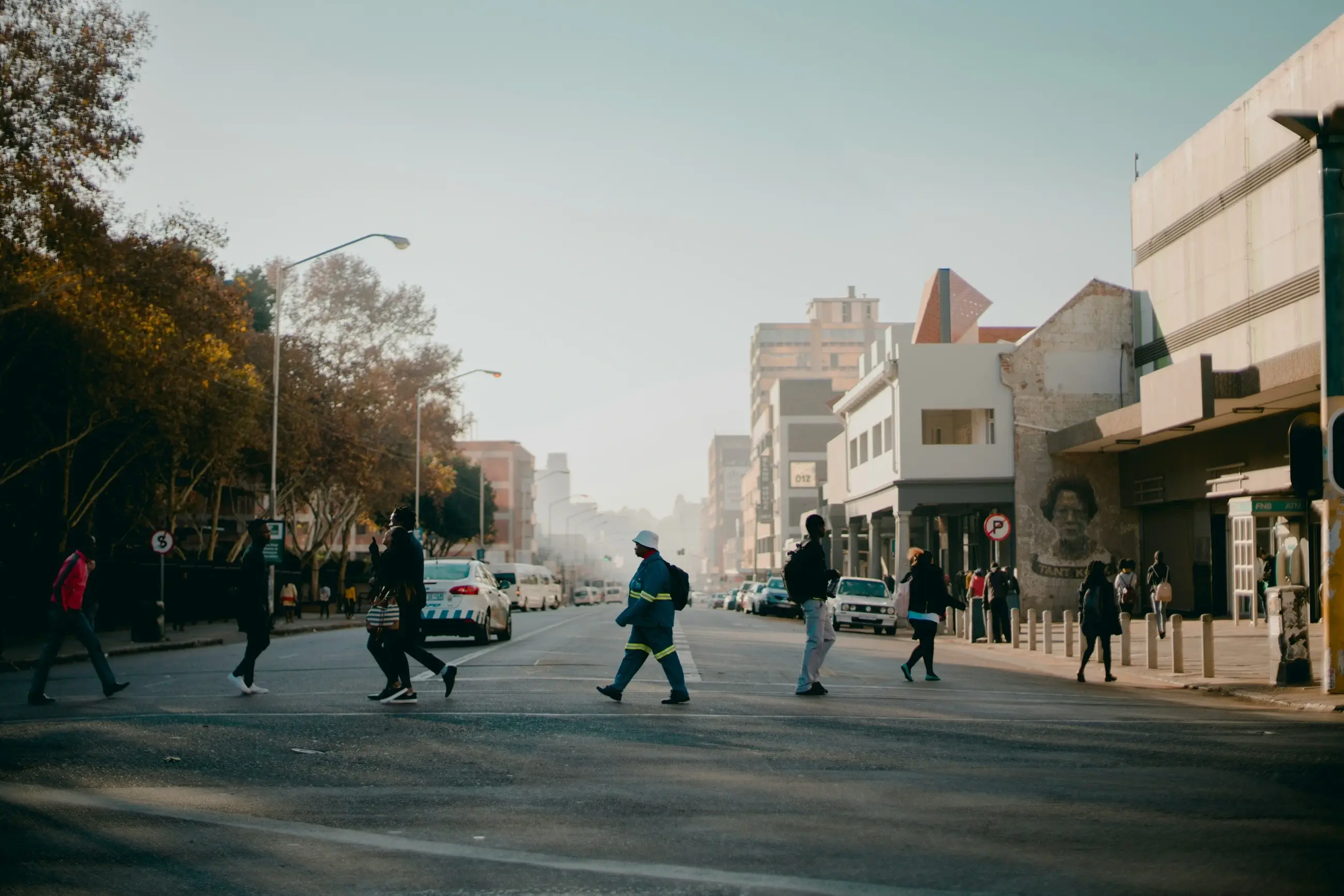
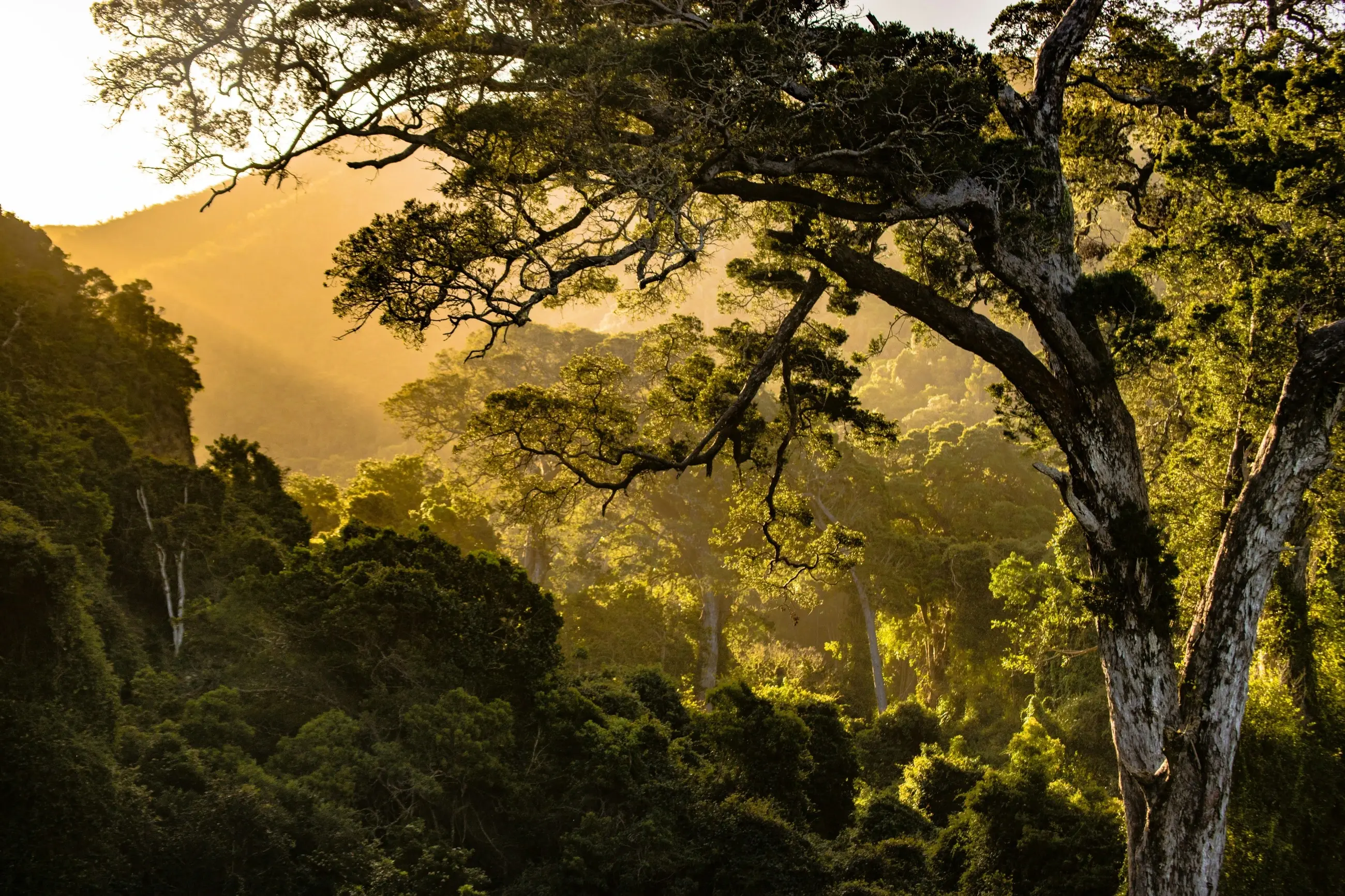
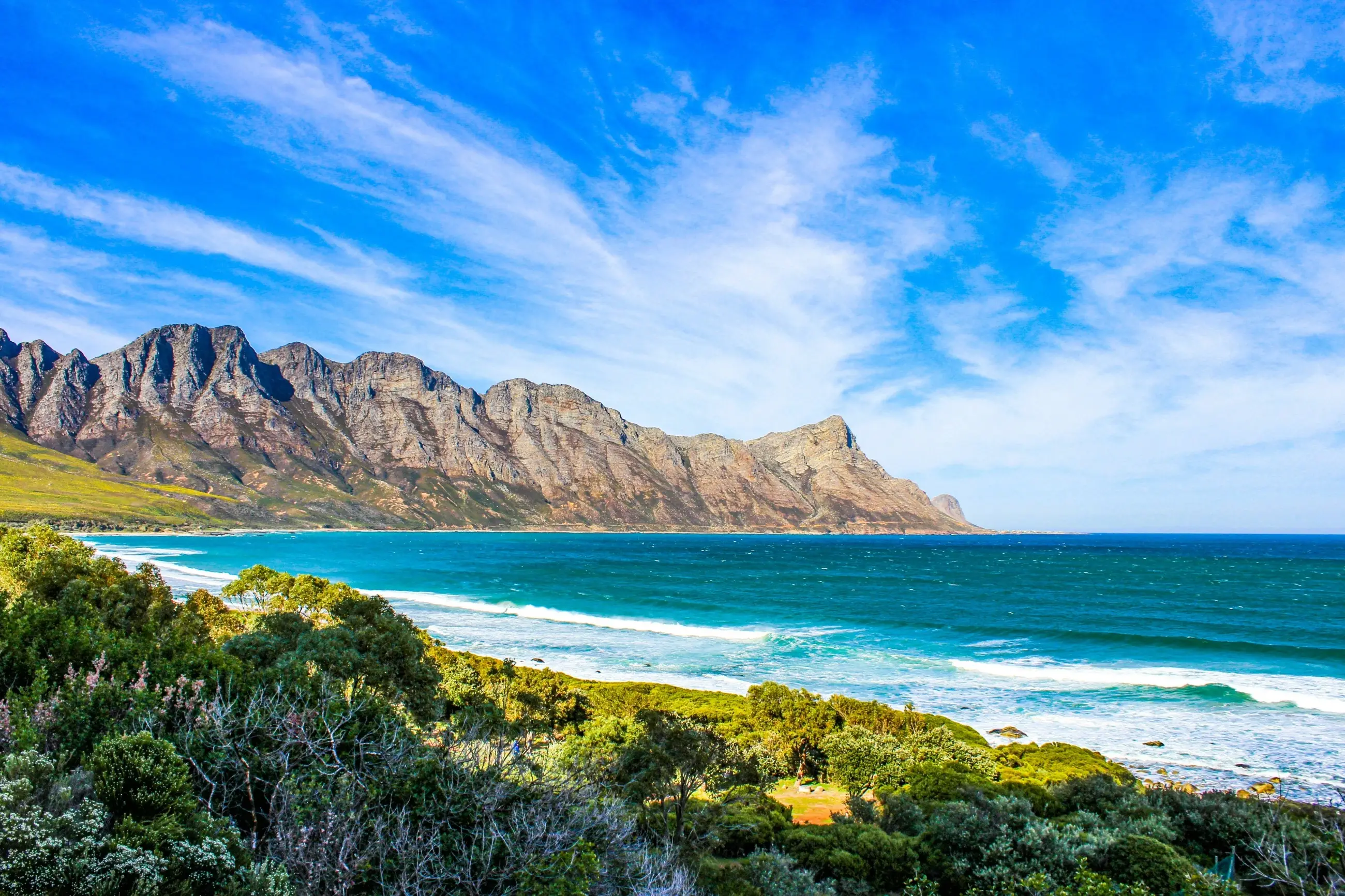
It is a common mistake that the Atlantic and Indian Oceans meet at the Cape of Good Hope. The official boundary runs roughly 150 kilometres further east, at Cape Agulhas, and each ocean has its own current: the warm Agulhas Current heats the east coast, while the Benguela Current cools the west. Both oceans give the southwest a Mediterranean climate, where rain comes in winter and summers are hot and dry. The smallest of the world's six floral kingdoms grows here, with more than nine thousand plant species, most of which grow nowhere else, and wine has been pressed here from local grapes since 1659. In most of the rest of the country the rhythm is reversed: it rains in summer and winter is dry. Johannesburg stands on the inland plateau, a city that did not exist before gold was discovered in 1886, and in the northeast lies the bush, where animals gather at water in the dry months. From June to November, whales also arrive at the south coast to give birth to their calves.
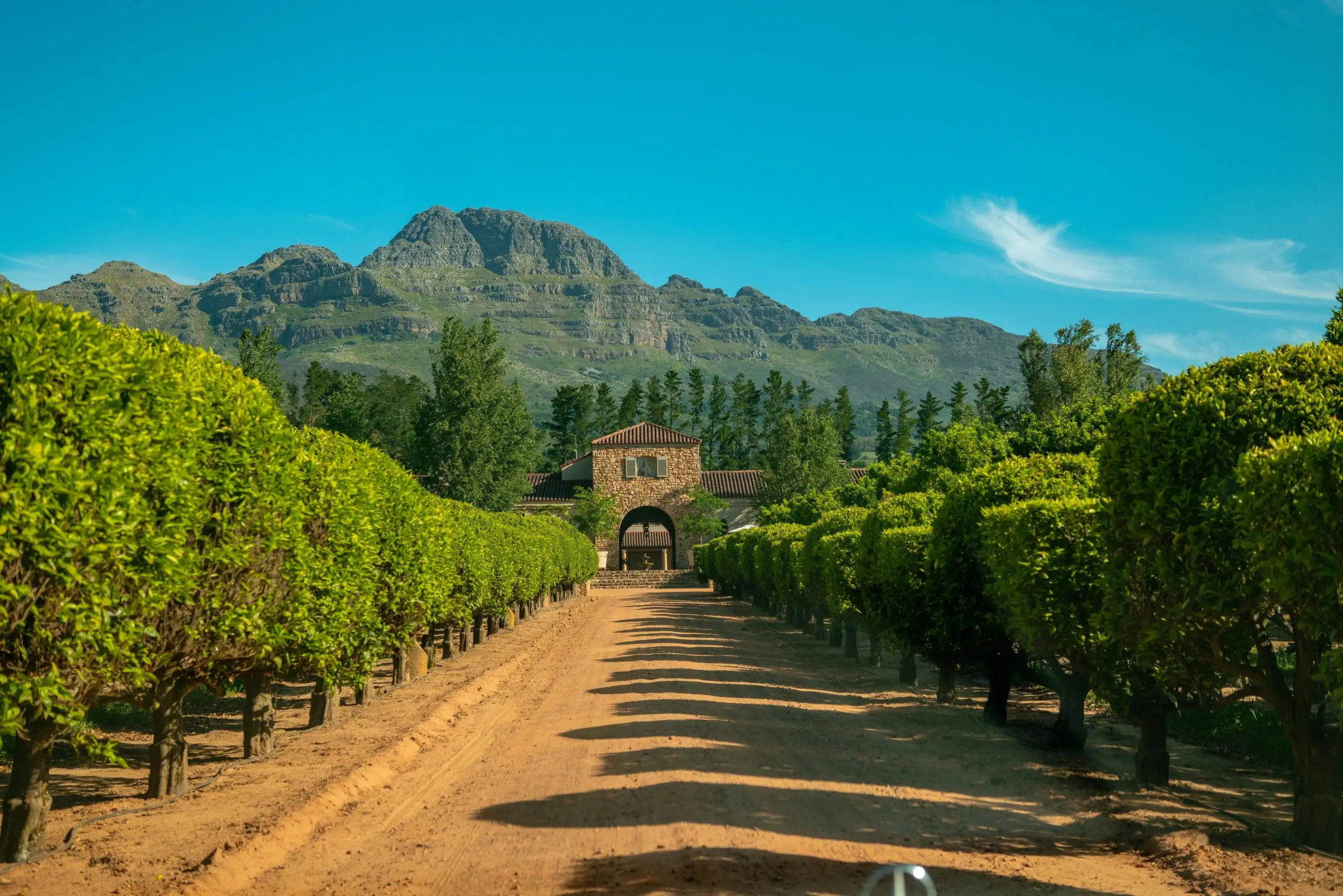
What to See and Do in South Africa
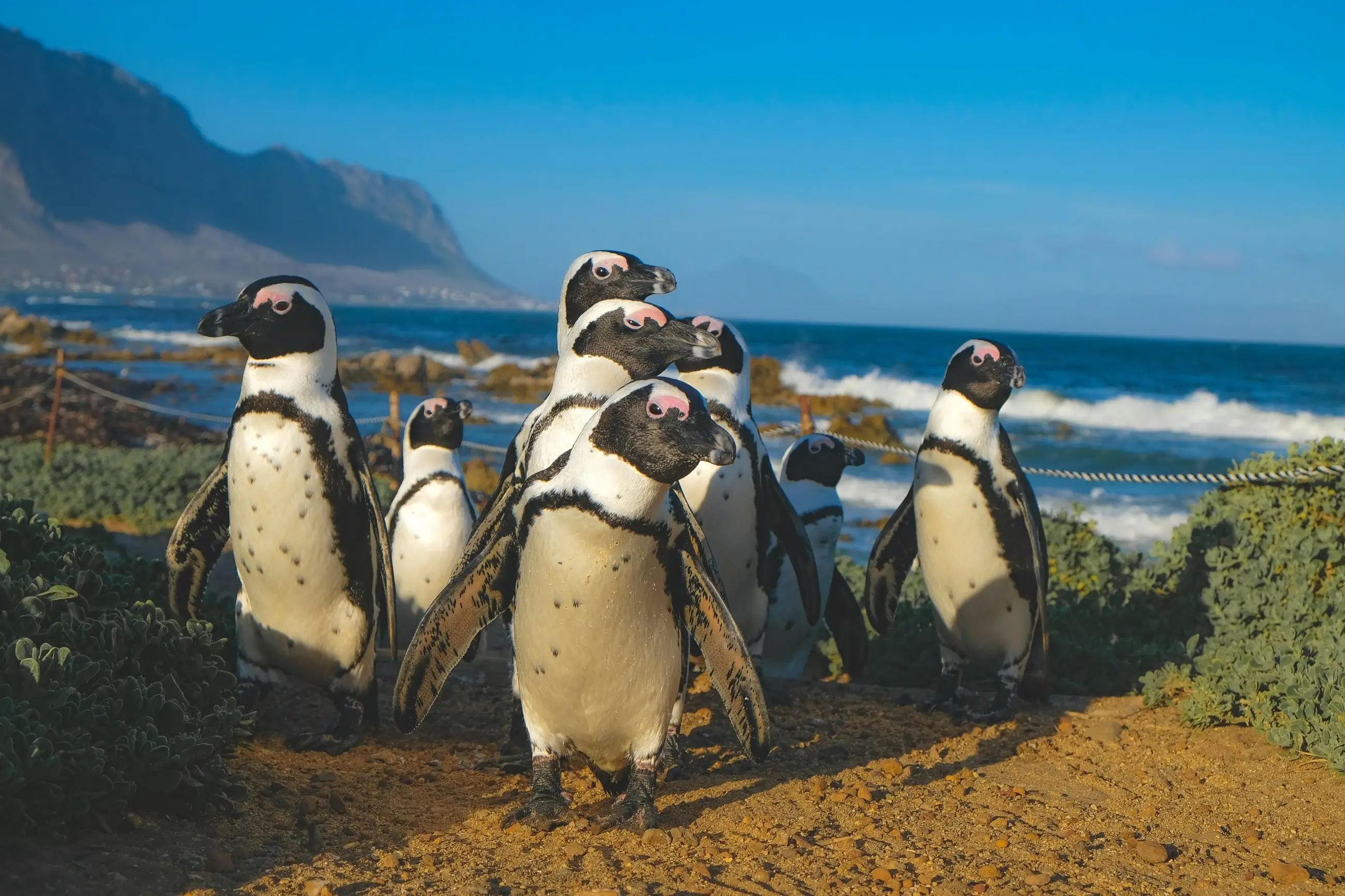
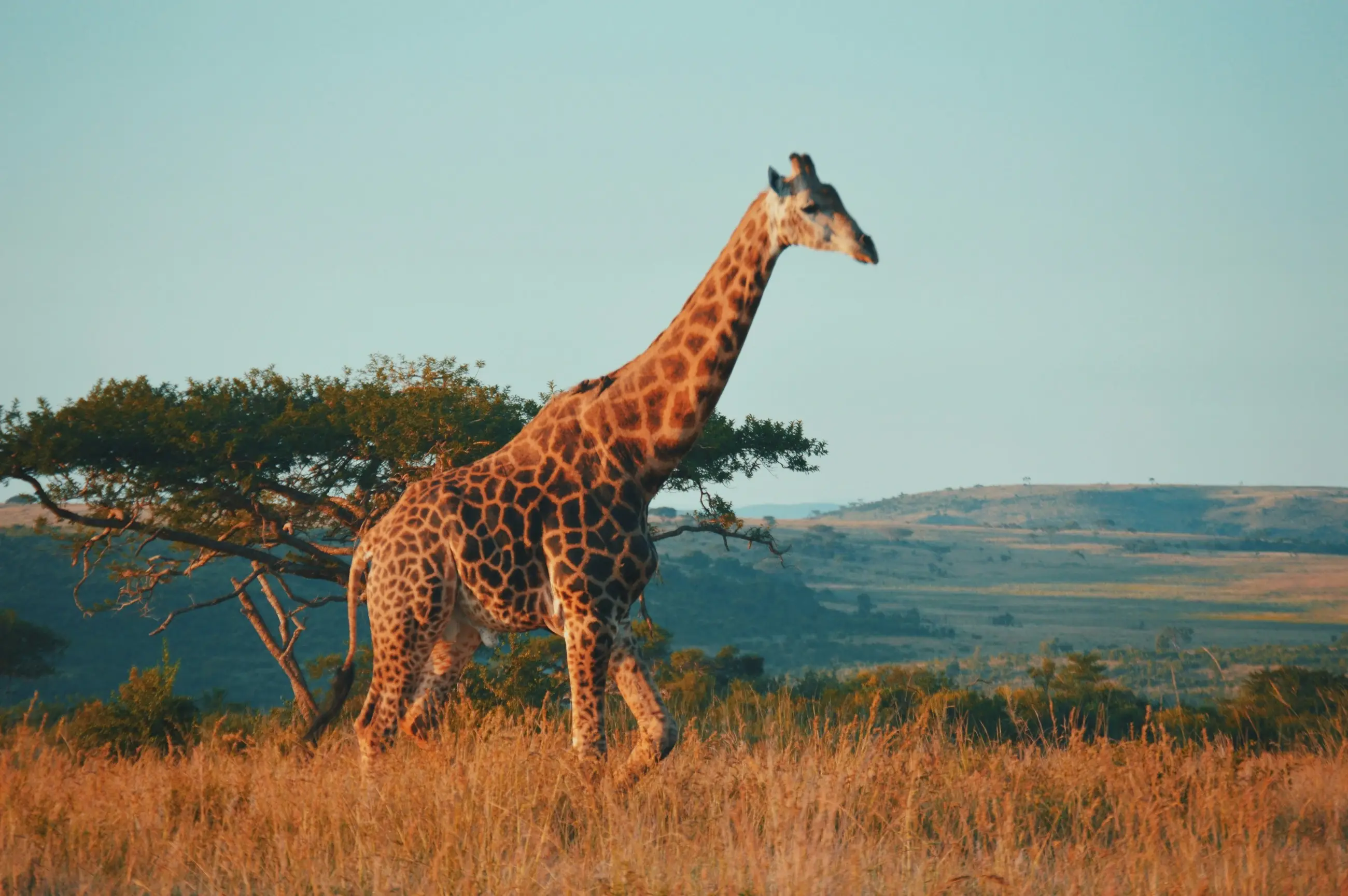
Take the cable car up Table Mountain, 1,086 metres high, and cross by boat to Robben Island, where Mandela was imprisoned for 18 years. Stop at Boulders Beach to see the colony of African penguins. In Bo-Kaap, try bobotie, spiced meat under an egg topping, and in Stellenbosch, try pinotage. From the cliffs in Hermanus, watch southern right whales, which are most numerous in September and October. In Kruger National Park (19,485 km²), look for the Big Five, and in the Drakensberg, hike the trail to Tugela Falls, which drops roughly 950 metres in five tiers. In Soweto, walk along Vilakazi Street, where two Nobel Peace Prize winners lived.
Places with soul
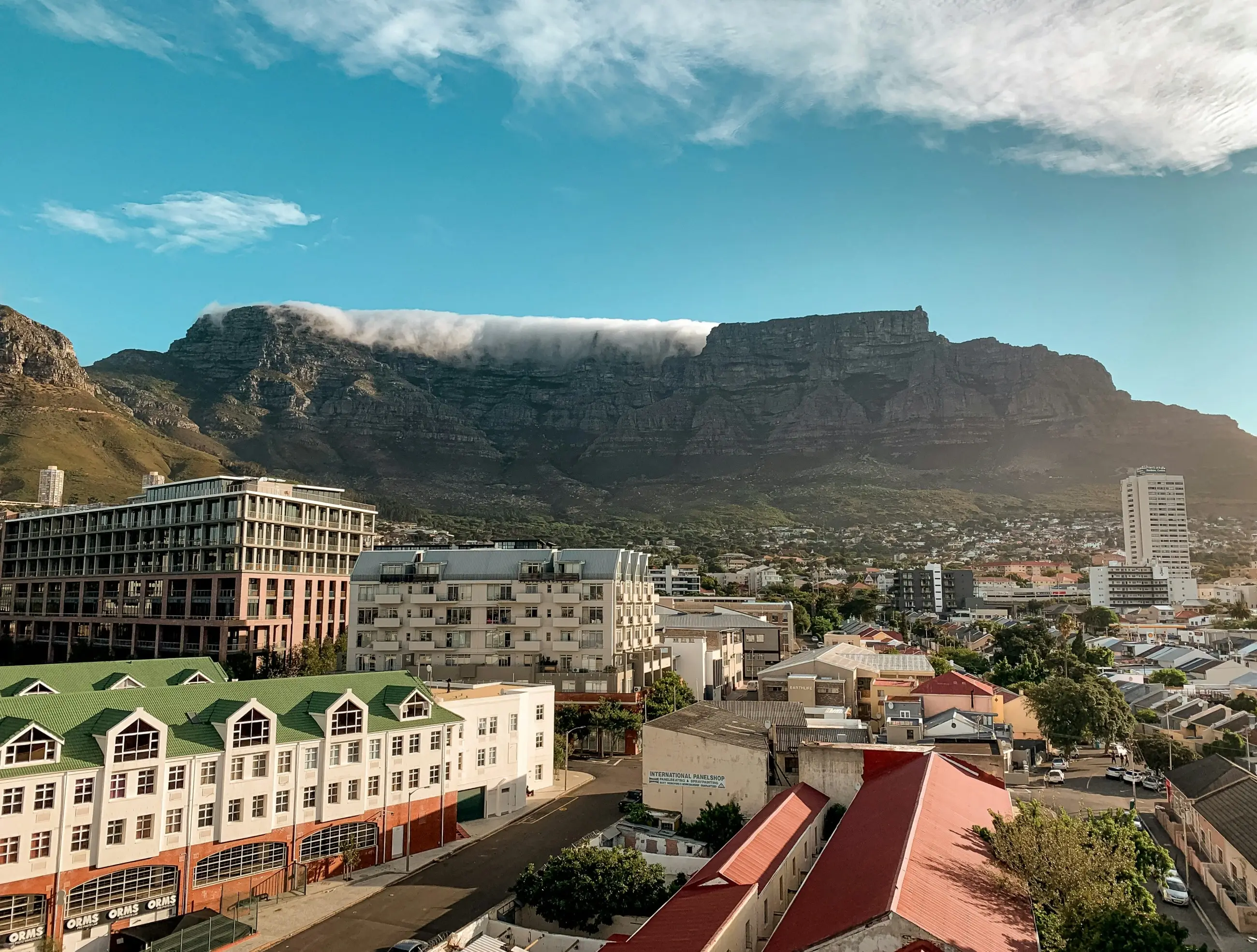
Cape Town
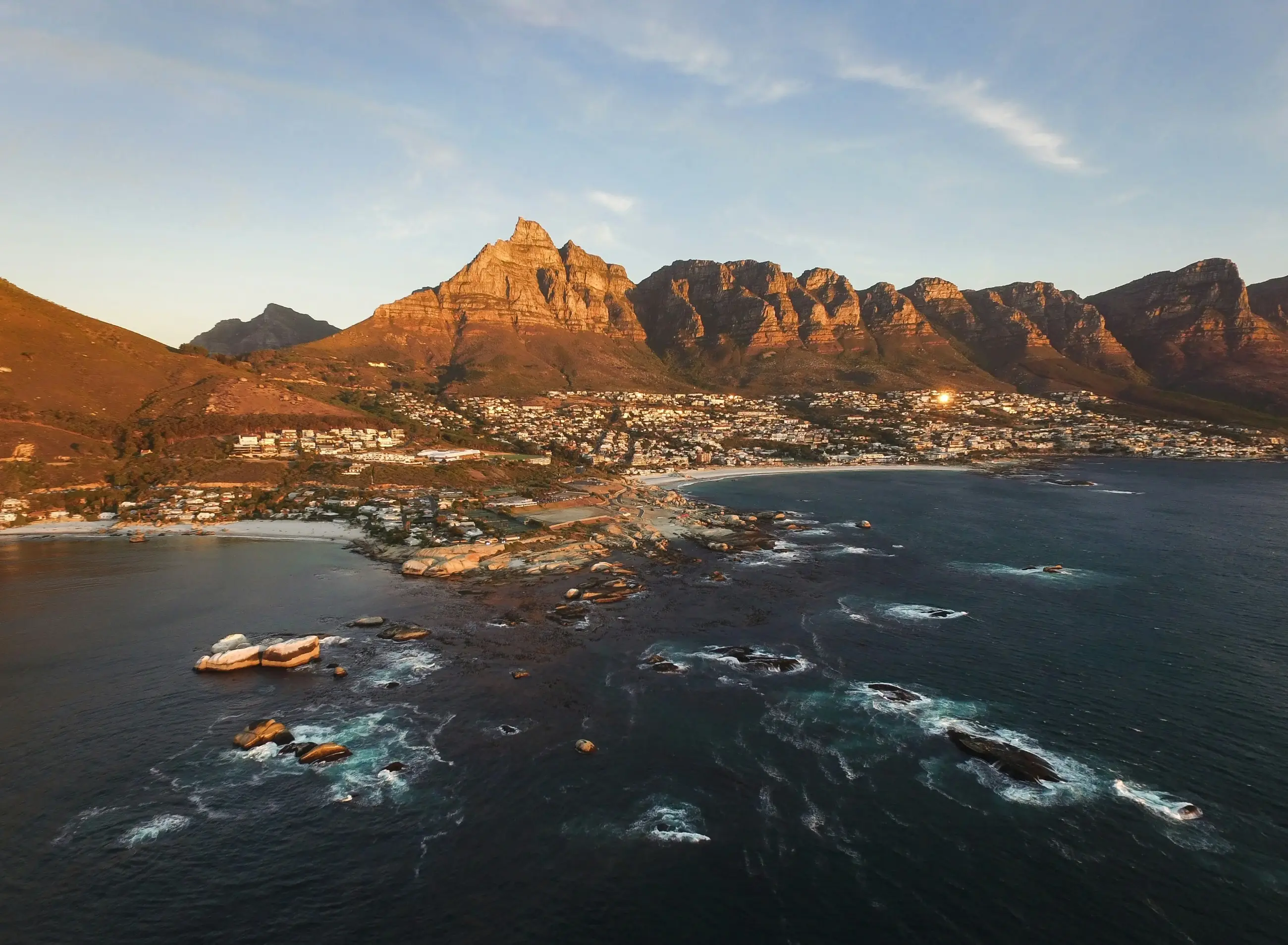
Cape Town lies beneath the flat wall of Table Mountain, which rises directly above the houses to a height of over 1,000 metres, and yet beaches, vineyards and the ocean are all within reach. A cable car with a rotating cabin takes you to the top, where a plateau about three kilometres long offers views of the city, the bay and Robben Island. Below, you can walk through the colourful Bo-Kaap district with its spices and Malay cuisine, and spend hours in Kirstenbosch Botanical Garden. On the peninsula you will find Chapman's Peak Drive, a road cut into the cliffs above the Atlantic, penguins at Boulders Beach and the Cape of Good Hope, and the vineyards near Stellenbosch are about an hour's drive away. In a few days here you can combine mountains, ocean and wine.
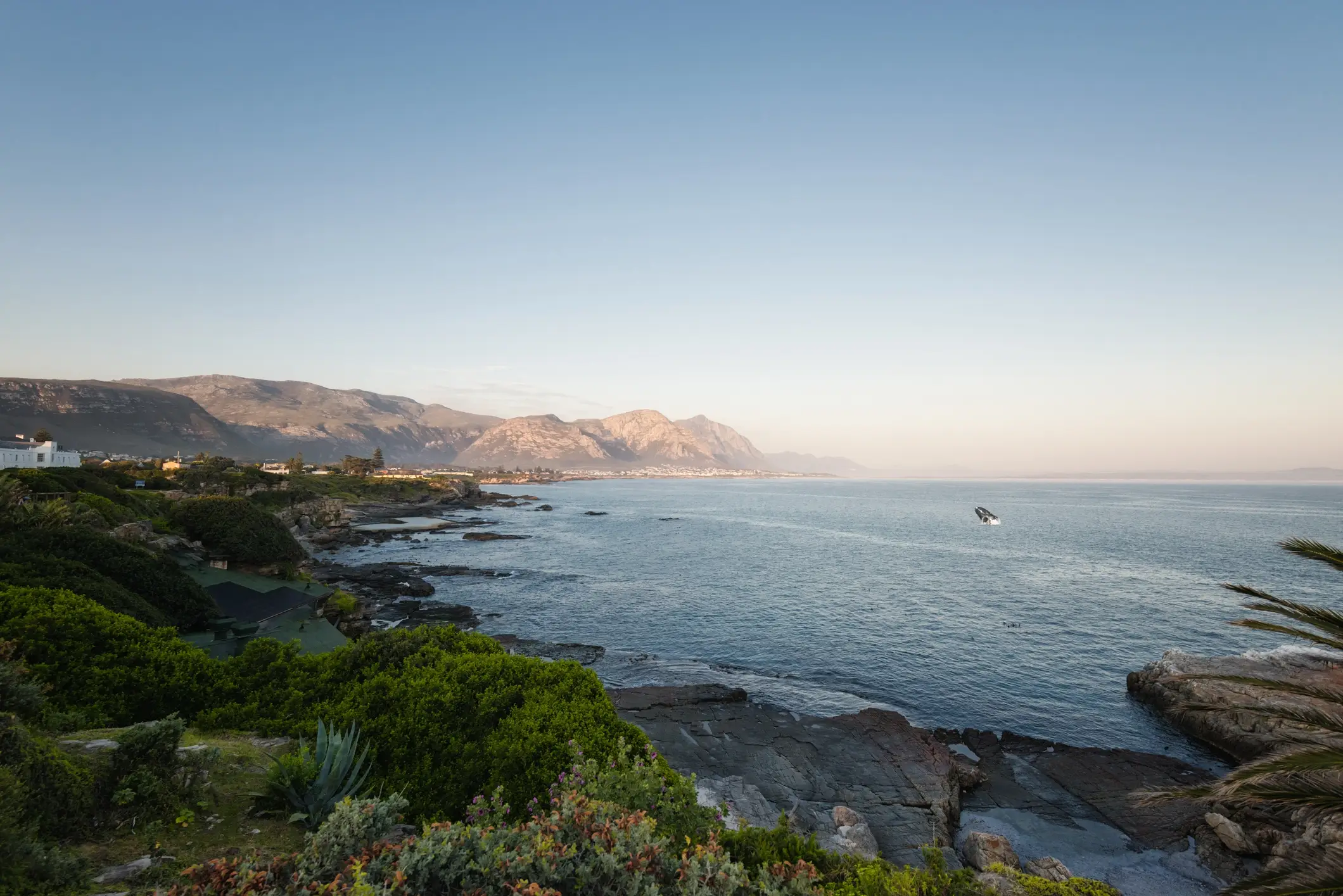
Hemel-en-Aarde
Hemel-en-Aarde, which means Heaven and Earth in Afrikaans, is a rolling valley behind the fishing town of Hermanus, where vineyards lie only a few kilometres from the cold Atlantic. The pioneer Tim Hamilton Russell bought land here in 1975 and the first vintage was released in 1981. Today more than twenty mostly family-run wineries line the R320 road, focusing on pinot noir and chardonnay, and the valley is divided into three areas with different soils and different distances from the sea. This lets you taste wines from a single valley in several forms, often with views of the mountains and the bay. From June to November, southern right whales can be watched from the cliffs of Hermanus, so in one day you can combine a wine tasting with a view of these giants of the ocean.
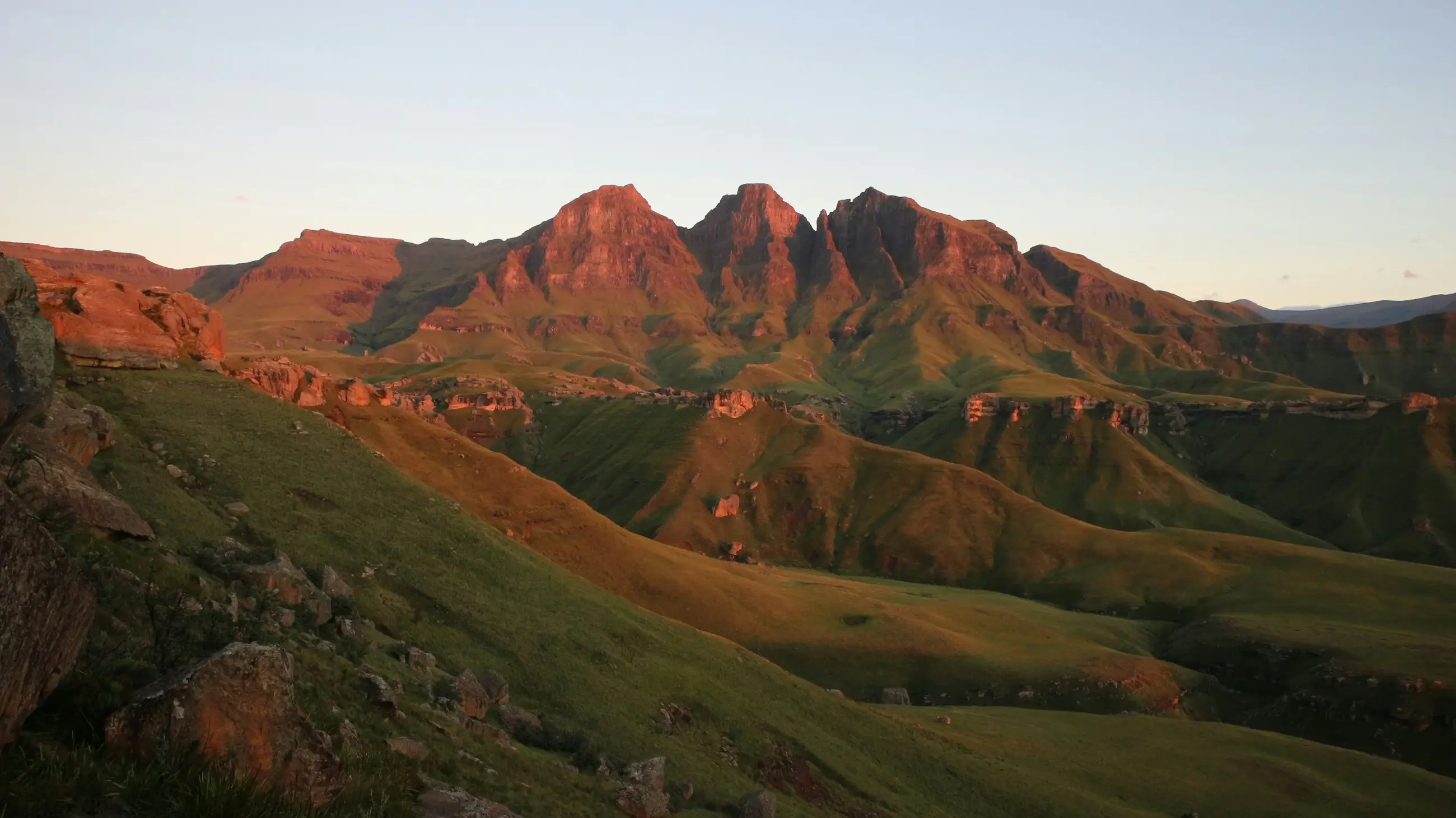
uKhahlamba Drakensberg Park
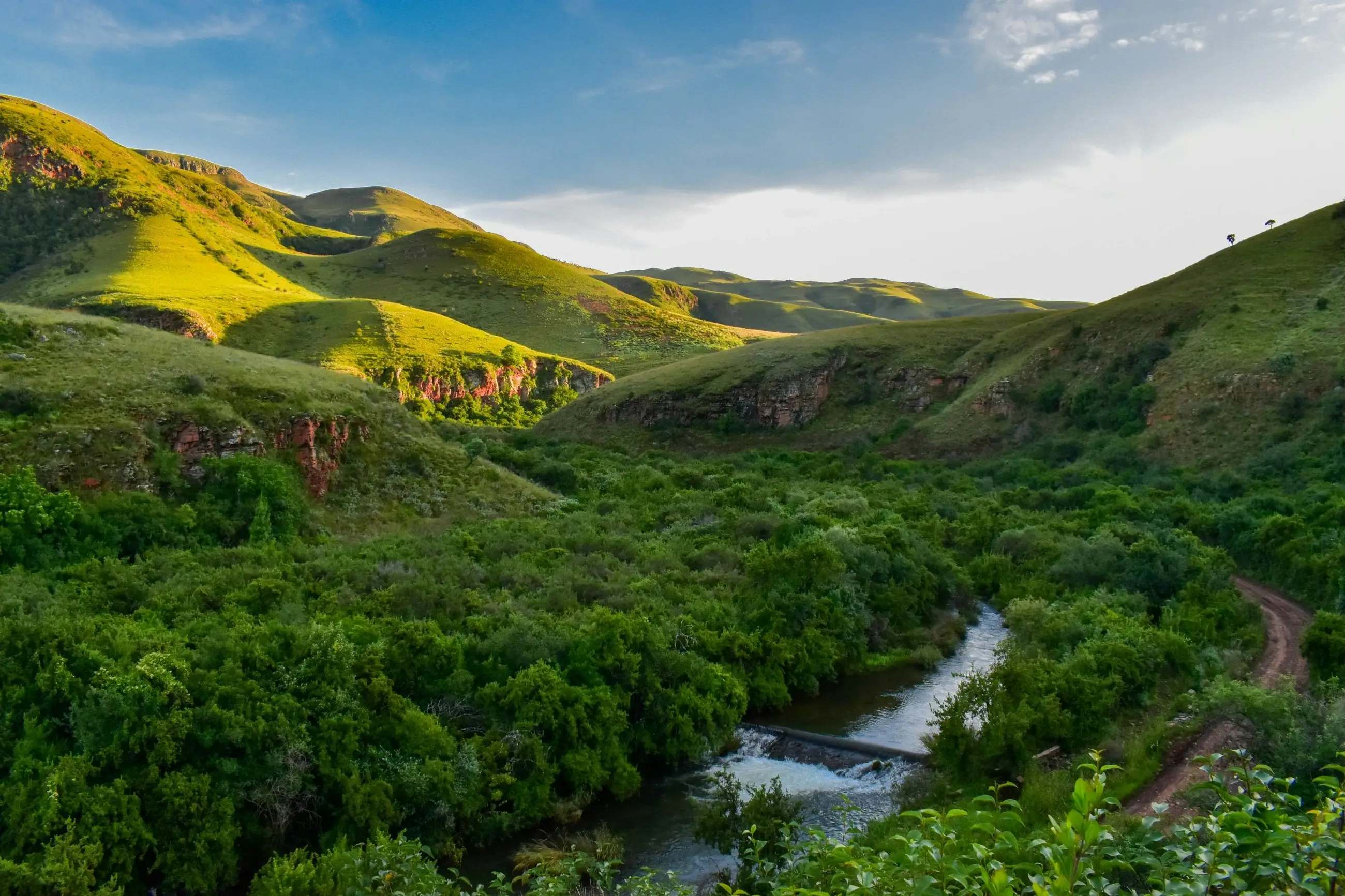
On the border with Lesotho, the land breaks into the Amphitheatre rock wall, from whose edge the Tugela River falls in five tiers to a depth of 948 metres. By most measurements, it is the second-highest waterfall in the world. Two chain ladders lead you up, and after that you walk across a level plateau to the edge, from where, after rain, you look down into the abyss. Below the cliffs, more than 35,000 paintings are hidden in sandstone caves, left here by the San people over more than two millennia, and in winter bearded vultures gather at the shelter in Giant's Castle. In one park you can combine a high-mountain hike, a prehistoric gallery and an encounter with a bird of prey that has survived in southern Africa only in the Drakensberg.
Kgalagadi Transfrontier Park
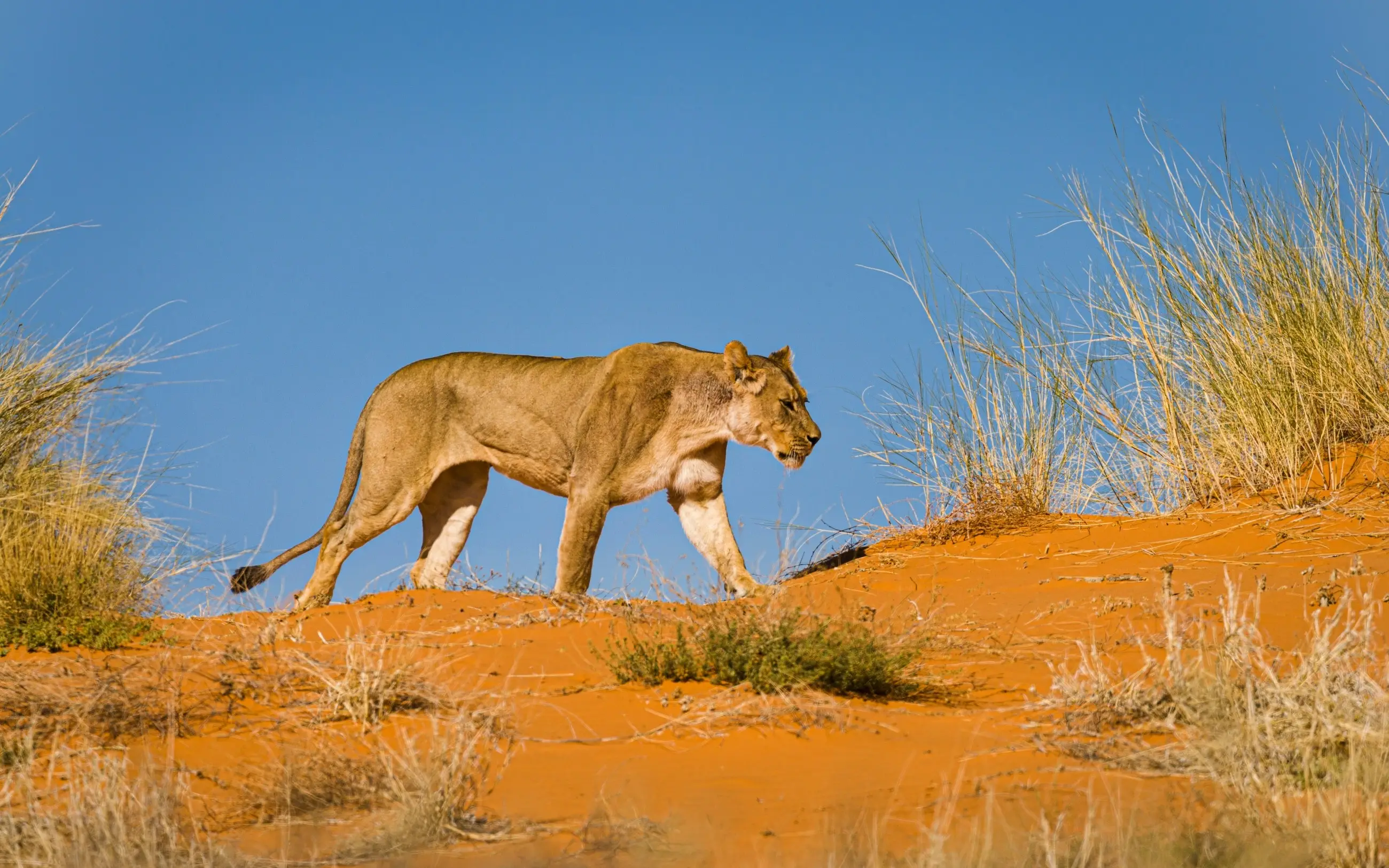
Kgalagadi means "place of thirst", and the red dunes of the southern Kalahari are crossed only by the dry riverbeds of the Auob and Nossob, in which water flows only rarely, after heavy storms. The park, on the border between South Africa and Botswana, covers roughly 38,000 square kilometres, and the animals keep to the riverbeds, so you see them in open terrain: black-maned Kalahari lions resting in the shade of trees, cheetahs on the plains and, with some luck, meerkats at their burrows. You will stay in unfenced camps, where animals walk past your chalet, hyenas can be heard at night and stars shine above the dunes. You will get to know a desert where wildlife does not have to be searched for, because it shows itself.
Experience that make sense
Walking Wilderness Trail in iMfolozi
The iMfolozi wilderness, one of the oldest reserves in Africa, is not explored by car but on foot. You walk through twenty-five thousand hectares of wilderness with an armed guide and a light daypack, and stay overnight in a simple bush camp. It was here, in the late 1950s, that the ranger Ian Player and his Zulu teacher Magqubu Ntombela led the first wilderness trails in Africa, in the same place where they helped save the white rhino from extinction. Along the Black and White Umfolozi Rivers you may come across rhinos, elephants or buffalo and watch them without an engine and without windows. This way you get to know the African bush step by step, in places where no road leads.
Cape Malay Cooking Class in Bo-Kaap
Bo-Kaap, a district beneath Signal Hill with colourful houses and cobbled streets, was founded in the 1760s as a place where enslaved people from Indonesia, Malaysia and other countries lived. They brought with them spices and techniques, from which Cape Malay cuisine gradually developed: fragrant, mildly hot and surprisingly sweet. The oldest mosque in South Africa, Auwal, from 1794, also stands here. The class takes place in the home kitchen of a local cook. You will learn to mix a spice blend and prepare bobotie (baked spiced meat) and koesisters (sweet spiced pastries). Then you eat everything together at the table. This way you get to know the district not only with your eyes but also by taste, and you leave with recipes that let you prepare its flavours again at home.


Robben Island with a Former Political Prisoner as Guide
Robben Island lies half an hour by boat from Cape Town and has served as a prison for opponents of apartheid since 1961. Nelson Mandela spent 18 of his 27 years in prison here, from 1964 to 1982. Today the prison is shown by a former political prisoner, so the work in the limestone quarry and the secret studying behind the walls are described by a person who experienced them himself. You travel around the island, listed as a UNESCO World Heritage Site since 1999, by bus, passing among other places the house of Robert Sobukwe, leader of the Pan Africanist Congress, and the tour ends at the cell where Mandela spent most of those eighteen years. On the boat back you will see Table Mountain, and you hear the history of South Africa here from one of the people who lived through it.


South Africa Awaits. Shall We Go?
Every journey is different, just as every one of our clients is different. At Meraki, we know that well, which is why we approach every enquiry individually, with a single goal: to meet your expectations down to the last detail.
Plan your trip
Let's plan your dream holiday together!
We would be happy to meet with you to design and fine-tune every detail of your itinerary to suit your wishes, destination or season.


