


Madeira
Tailor-Made Trip
Best Time to Visit:
MAY – JUN / SEP – OCT
Accommodation:
Hotels
Main Highlights:
Levadas, Forest and Wine
Price level:
€€€€
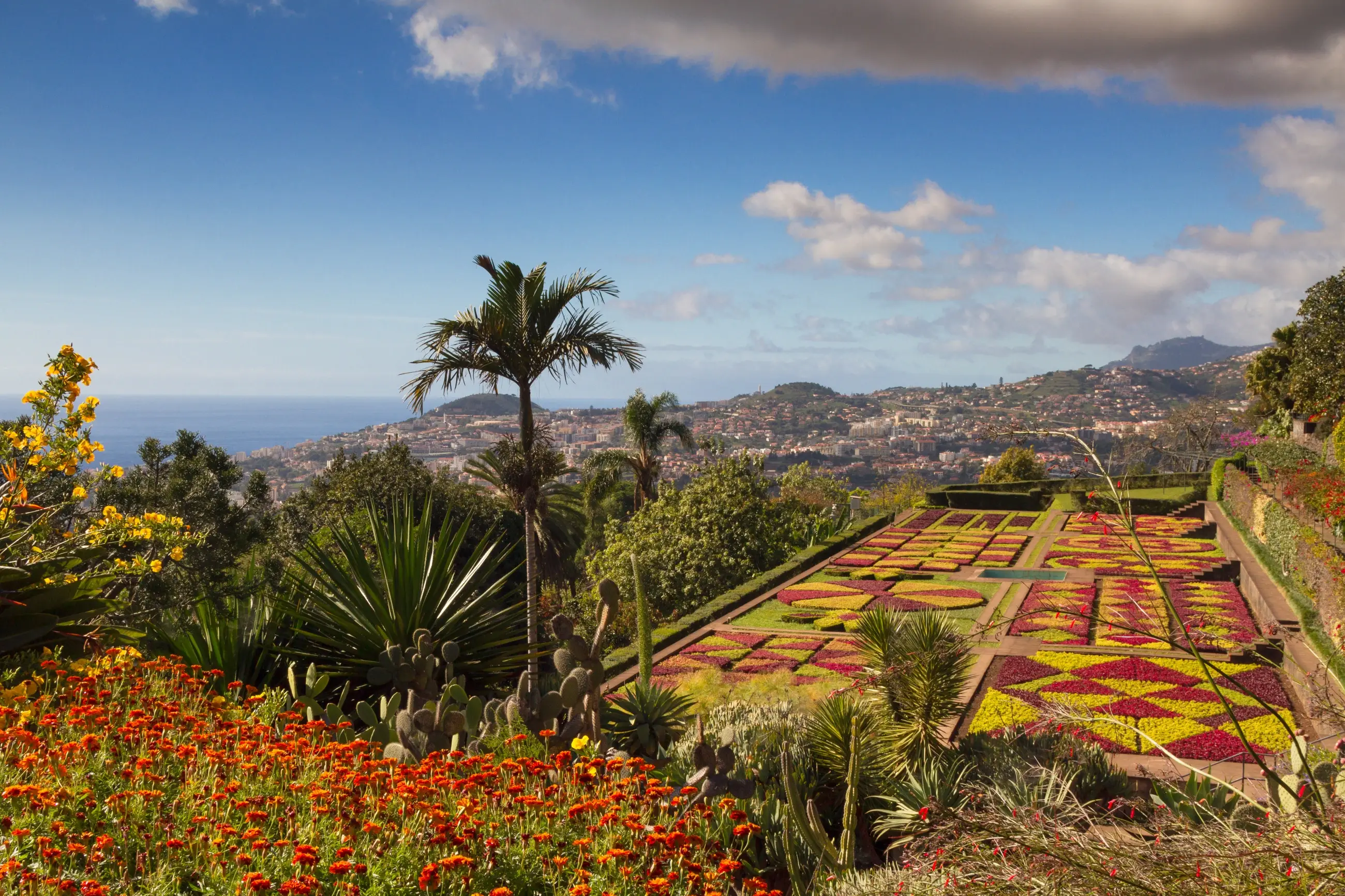
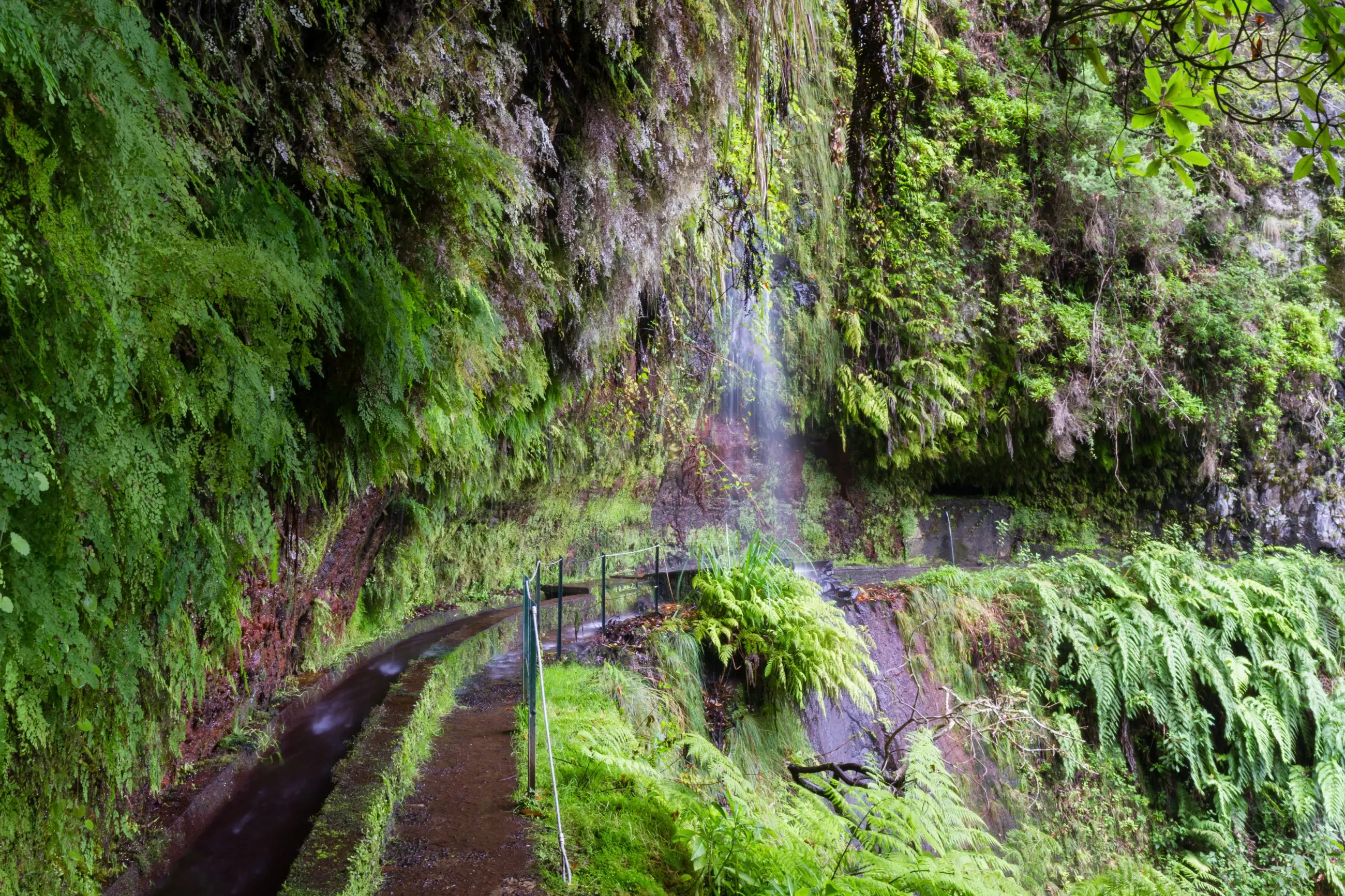
A levada, a word derived from the Portuguese verb levar (to carry), is a channel that has carried water since the 15th century from the rainy north to the dry south of Madeira, an island fifty-seven kilometres long. The network is over two thousand kilometres long and runs through the mountains in tunnels, and paths follow the channels. The water comes from the forest. The island is named after wood. In 1419, the laurisilva laurel forest covered most of the island. On the northern slopes it has survived as the largest area of its kind, and it has been on the UNESCO list since 1999. The forest captures water from rain and mist, and the levadas carry it to terraces called poios, which are supported by basalt walls even on the steep southern slopes. Bananas and vines grow on them. Wine from these terraces matures in the warmth. This was discovered on ships crossing the ocean, where the heat in the hold improved the wine, and today it is therefore heated deliberately.





What to See and Do in Madeira
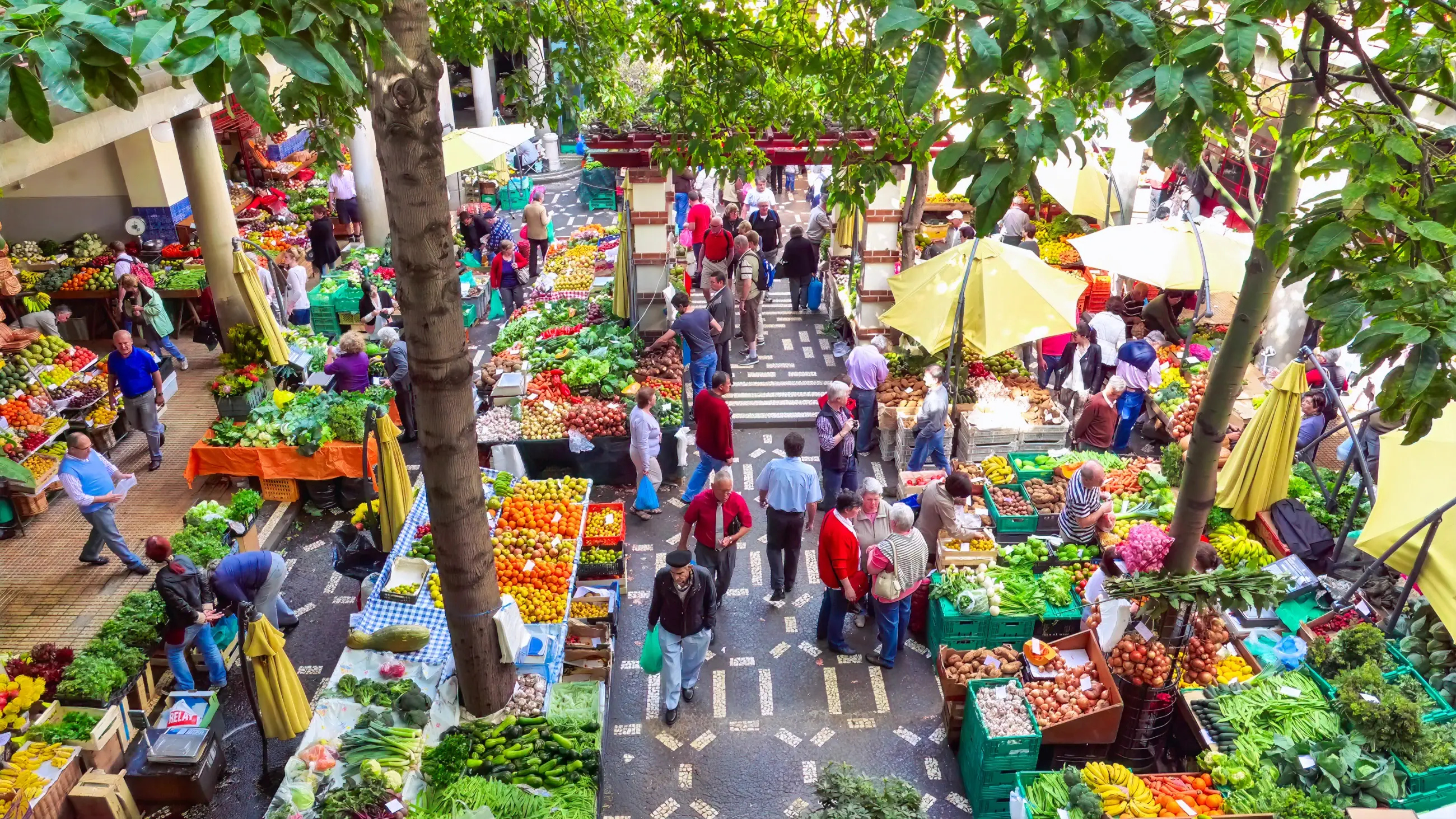
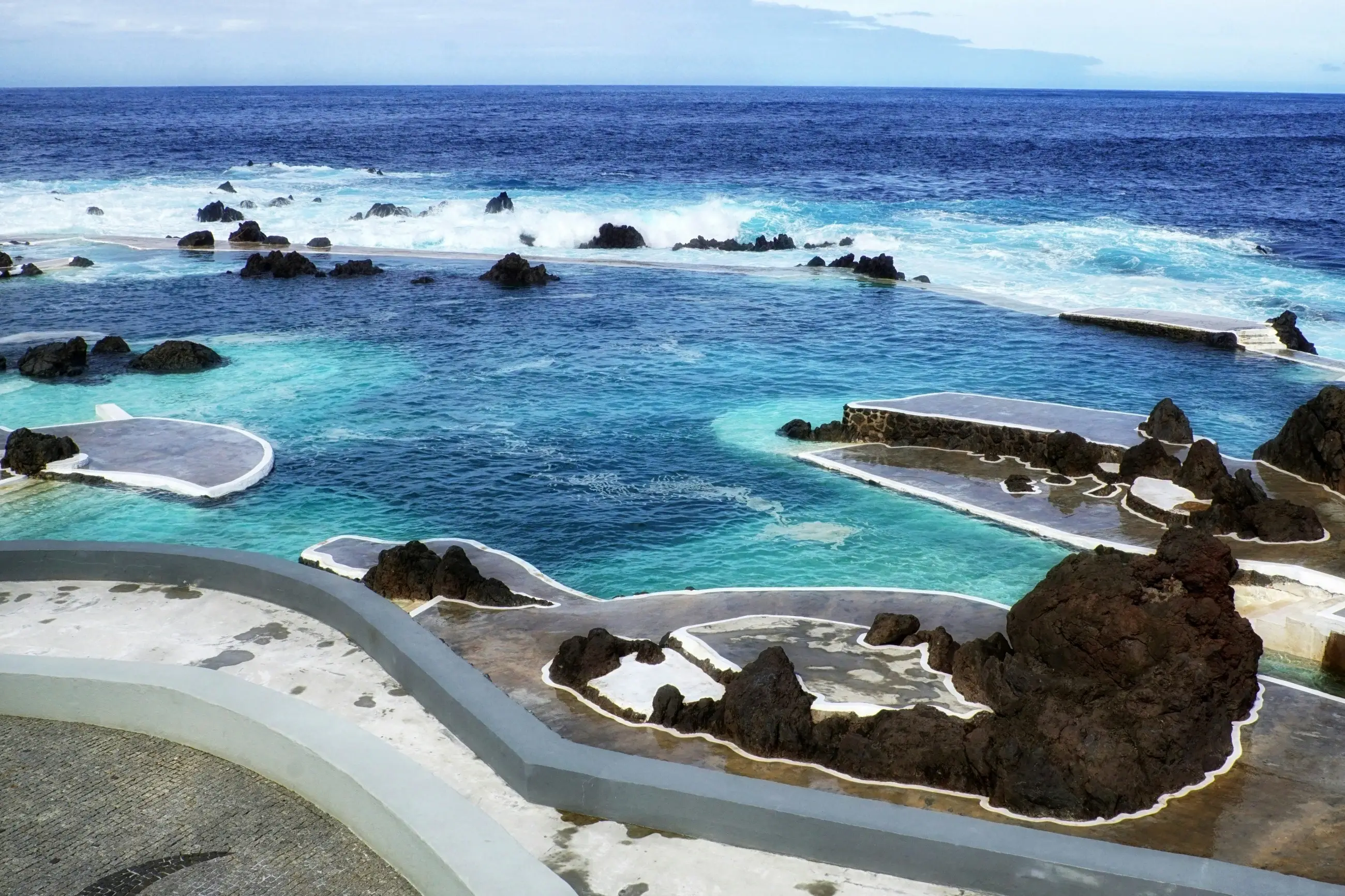
Climb Pico Ruivo, the highest peak on the island (1 862 metres). Walk the Caldeirão Verde levada to the waterfall, 13 kilometres with four tunnels. On the glass platform at Cabo Girão you stand 580 metres above the sea, and in Porto Moniz you can swim in pools of lava rock. Stop in Santana at the houses with triangular thatched roofs. At the Mercado dos Lavradores market in Funchal, taste custard apple and passion fruit. Espetada is grilled on the island on laurel skewers and served with bolo do caco, bread baked on a hot stone slab. It is accompanied by poncha with honey and lemon.
Places with soul
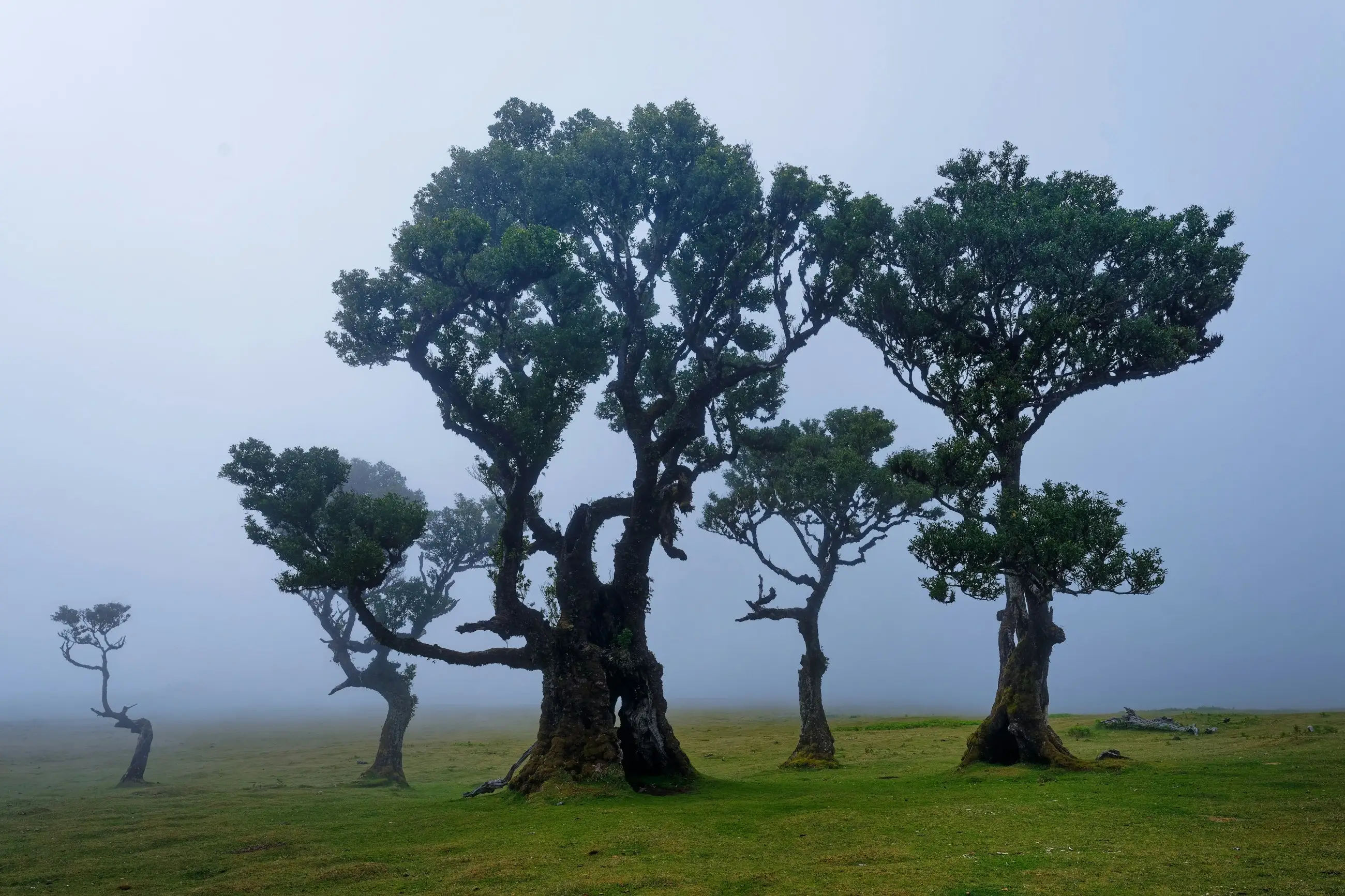
Fanal
Fanal lies on the Paul da Serra plateau at an altitude of about 1,150 metres. Its centuries-old til trees (Ocotea foetens), with twisted, moss-covered trunks, stood here long before the island was discovered. The forest is part of the Laurisilva laurel forest, which was inscribed on the UNESCO World Heritage List in 1999. Humid air from the coast rises up the slopes and is held among the trees, so in fog the forest feels quiet and still. On clear days, cows graze on the surrounding meadows. A short circular walk leads from the car park across the meadow and through the forest. Those who want more can follow the PR13 trail above the Rabaçal valley. You will see a forest that disappeared from continental Europe during the ice ages and survived only on Atlantic islands.
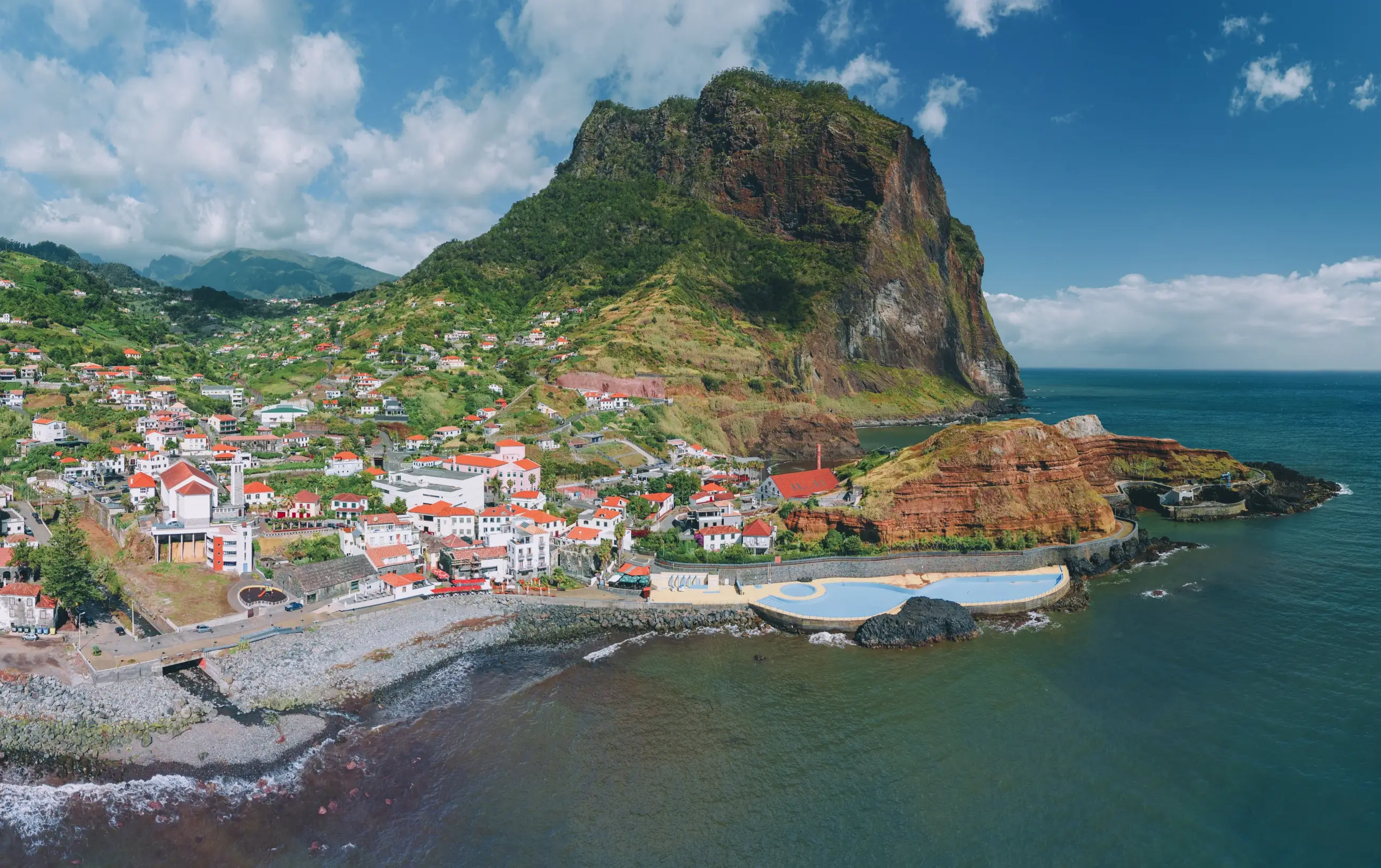
Porto da Cruz
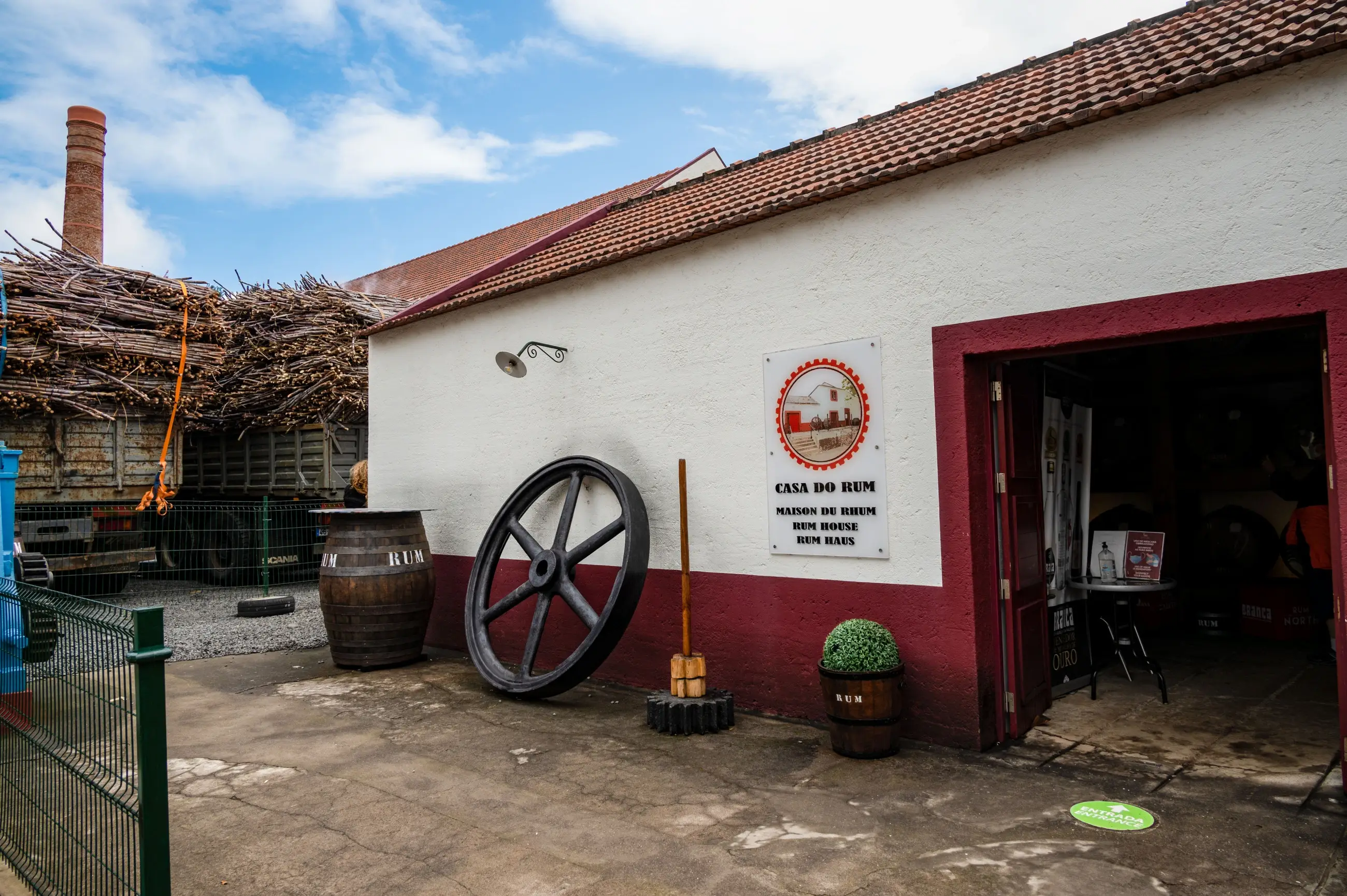
Porto da Cruz lies on the north-east coast of Madeira beneath the Penha d'Águia rock massif, which rises to 590 metres and separates the village from neighbouring Faial. Right on the waterfront stands the Engenhos do Norte distillery from 1927, where rum is still distilled from local sugar cane in a steam-powered plant, and where you can taste poncha, a Madeiran drink made from sugar cane spirit, honey and citrus juice. Along the promenade you can walk to the black-sand beaches of Alagoa and Maiata, where beginners learn to surf, or climb a steep path up to the rock itself. From one village you can therefore get to know northern Madeira in its full range: craft, ocean and mountain, all within walking distance, without a car.
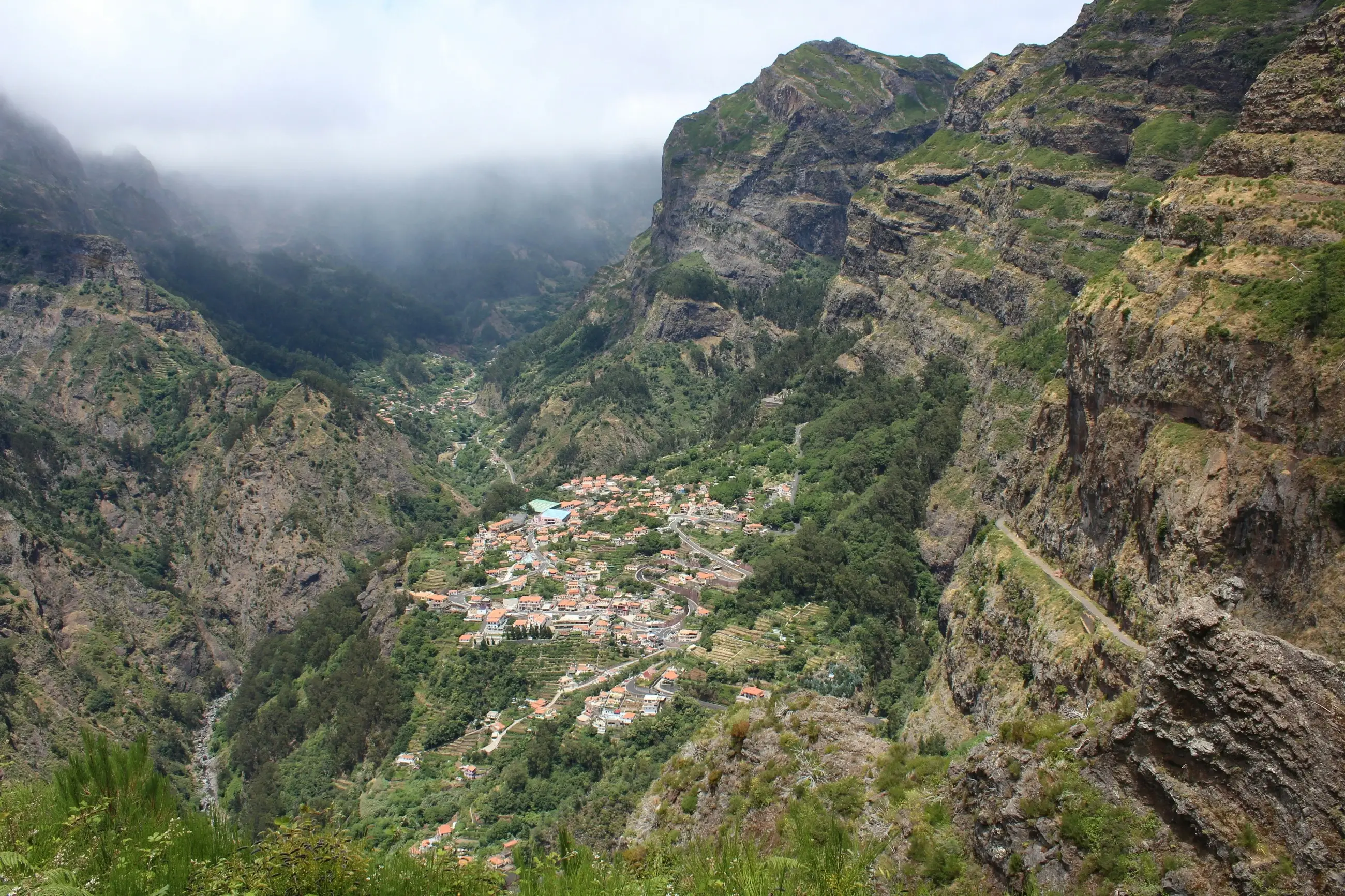
Curral das Freiras
Údolí leží uprostřed ostrova mezi strmými horami tak hluboko, že vesnici z moře nevidíte. Podle tradice se sem v roce 1566 před piráty, kteří přepadli Funchal, ukryly jeptišky z kláštera svaté Kláry, a od nich má údolí jméno. Z vyhlídky Eira do Serrado ve výšce 1 095 metrů se na vesnici, obklopenou horským masivem středu ostrova, díváte shora, než sjedete dolů k domkům kolem kostela, v nichž žije asi dva tisíce lidí. Místní tu pěstují kaštany, takže v restauraci ochutnáte kaštanovou polévku, koláč i likér. Kolem 1. listopadu se pořádá Festa da Castanha s průvodem, hudbou a pestrou nabídkou jídel. Poznáte tak Madeiru, kterou z pobřeží neuvidíte.
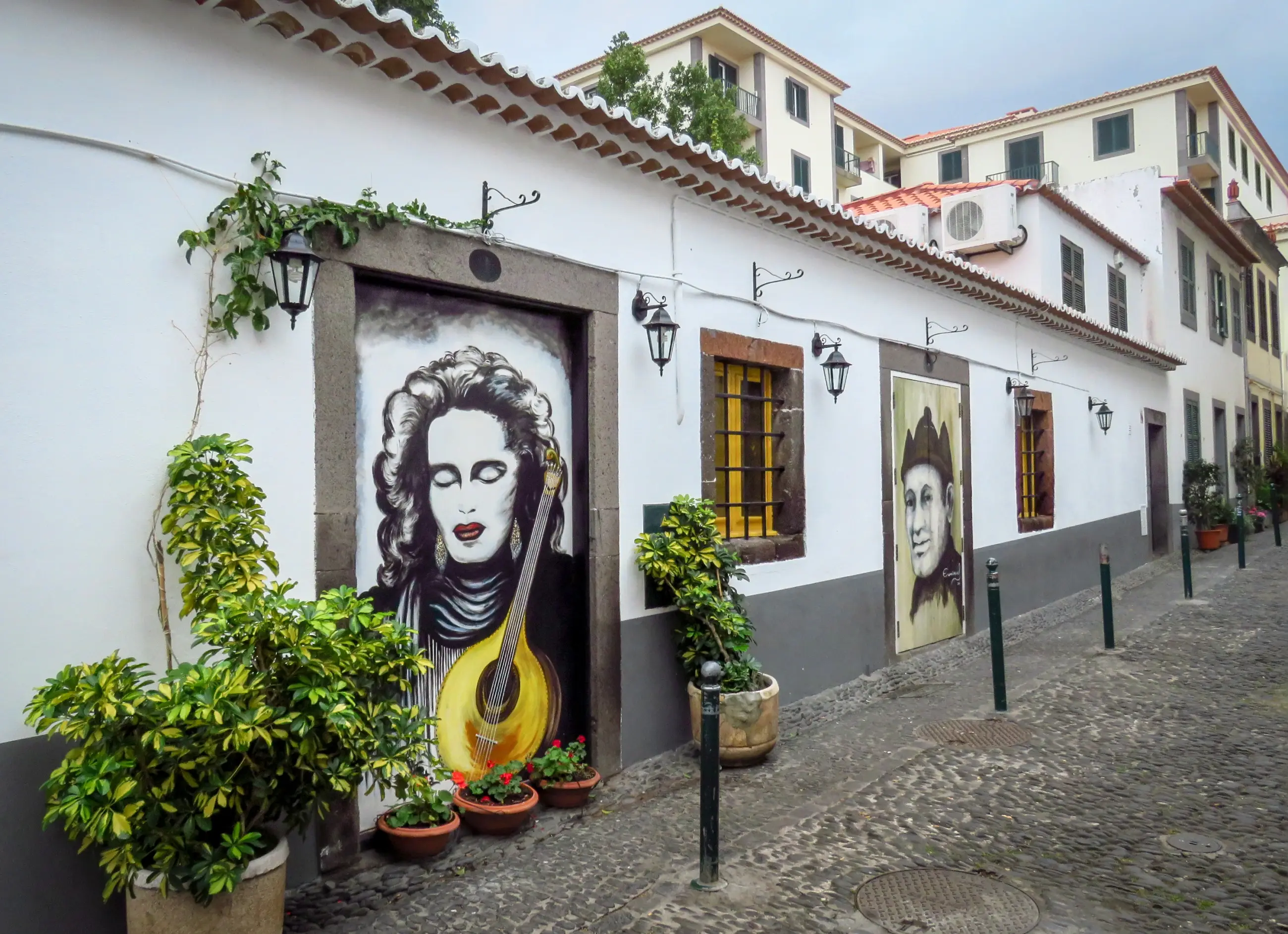
Zona Velha, Funchal
According to tradition, Funchal began right here, and today people come to its oldest district for the painted doors. On the narrow, cobbled Rua de Santa Maria, artists have painted the doors of the houses as part of the Arte de Portas Abertas project, turning the street into an open-air gallery. Nearby stands the 15th-century Capela do Corpo Santo, one of the few buildings from that time, and by the sea stands the yellow São Tiago fort from 1614, today home to a museum of contemporary art. During the day it is worth visiting the Mercado dos Lavradores market, and towards evening grilled fish from local waters and poncha, a Madeiran drink made from sugar cane rum, honey and citrus. You will walk through the district from which Funchal grew, and in the evening sit down at a table right on the paving stones.
Zážitky které dávají smysl
Espetada na vavřínové větvi
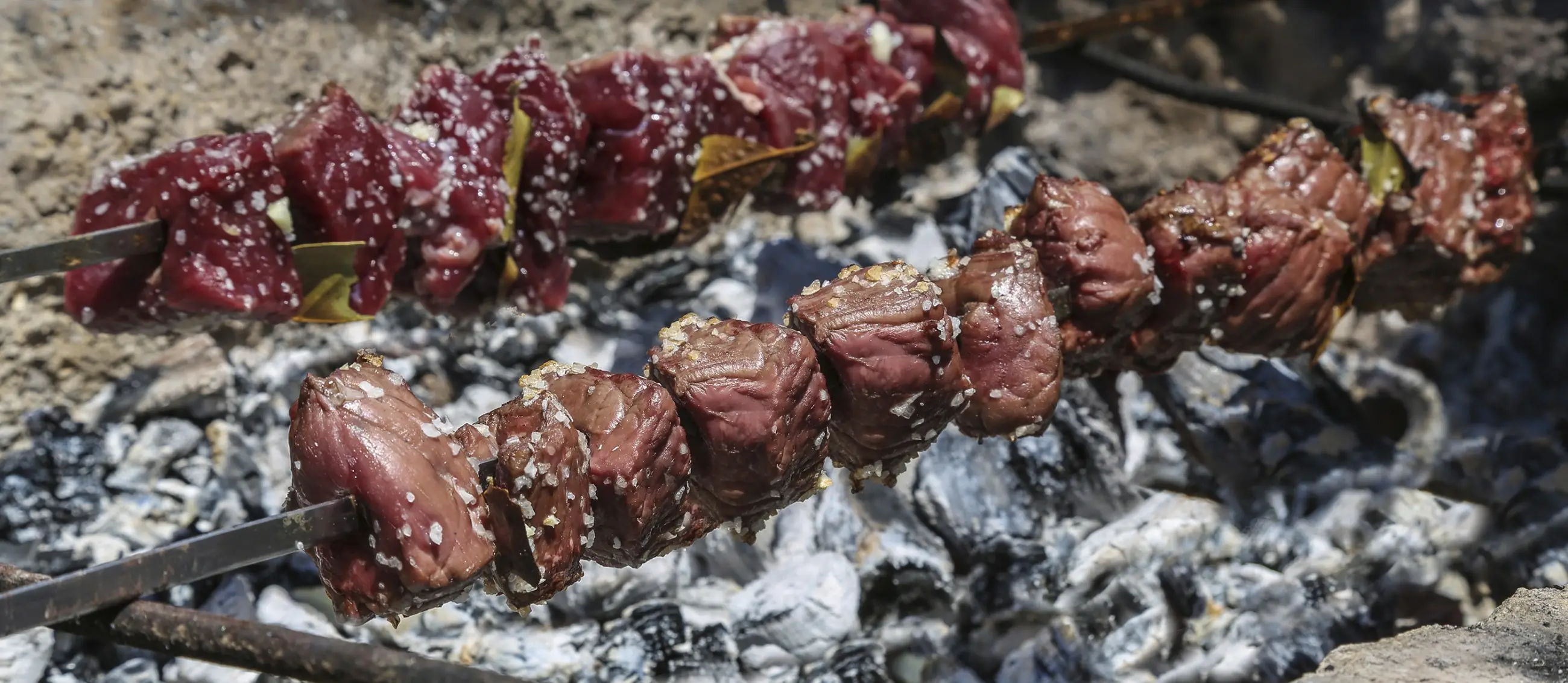
Traditional Madeiran espetada is not cooked on a metal skewer but on a freshly cut laurel branch, which does not burn through over the hot embers and gives the meat its aroma from the inside. It became famous around Câmara de Lobos and for a long time was a dish for festivals and pilgrimages, because beef was expensive. Cubes of meat are rubbed with garlic and coarse salt and grilled. In restaurants, the espetada is brought hanging from a hook above the table, together with bolo do caco (flat bread made with sweet potatoes) and milho frito (fried cubes of cornmeal mash). It is eaten with the hands, and the meat is pulled straight off the branch. In a single lunch you will thus get to know the dish around which families and friends gather in Madeira on every occasion.
Levada Do Rei k Ribeiro Bonito
The Levada do Rei runs along a slope above the north coast of Madeira almost on the flat, yet it leads deep into the forest. The path begins at São Jorge among small fields and exotic trees, then enters the laurel forest, which has been on the UNESCO list since 1999. It passes a low tunnel that you walk through bent forward, and a waterfall that falls directly across the path. The destination is the valley of the Ribeiro Bonito stream, where the levada takes its water and where, in the dense forest, you hear only its murmur. In half a day you will thus get to know original Madeira without a demanding climb, and on your return you will see in São Jorge a watermill, the only working one on the island, powered by water from the same levada.
Parní palírna Engenhos Do Norte
On the waterfront of the village of Porto da Cruz on the north coast of Madeira, between the mountains and the Atlantic, stands a sugar mill from 1927, where 19th-century machines powered by steam still work and rum is distilled from freshly pressed sugar cane juice. In the 16th century, Madeira was among the most famous producers of sugar, which was called white gold, and this factory is its living witness, not a museum exhibit. From March to May, when the cane is processed, you can see the machines in full operation. You finish the tour in the neighbouring Casa do Rum with a tasting of local rums and poncha. You will learn how rum is made from cane in the old way, and taste it right where it is made.
Madeira Awaits. Shall We Go?
Every journey is different, just as every one of our clients is different. At Meraki, we know that well, which is why we approach every enquiry individually, with a single goal: to meet your expectations down to the last detail.
Plan your trip
Let's plan your dream holiday together!
We would be happy to meet with you to design and fine-tune every detail of your itinerary to suit your wishes, destination or season.


