


Peru
Tailor-Made Trip
Best Time to Visit:
May – September
Accommodation:
Hotels
Main Highlights:
Andes, Amazon, gastronomy
Price Level:
€€€
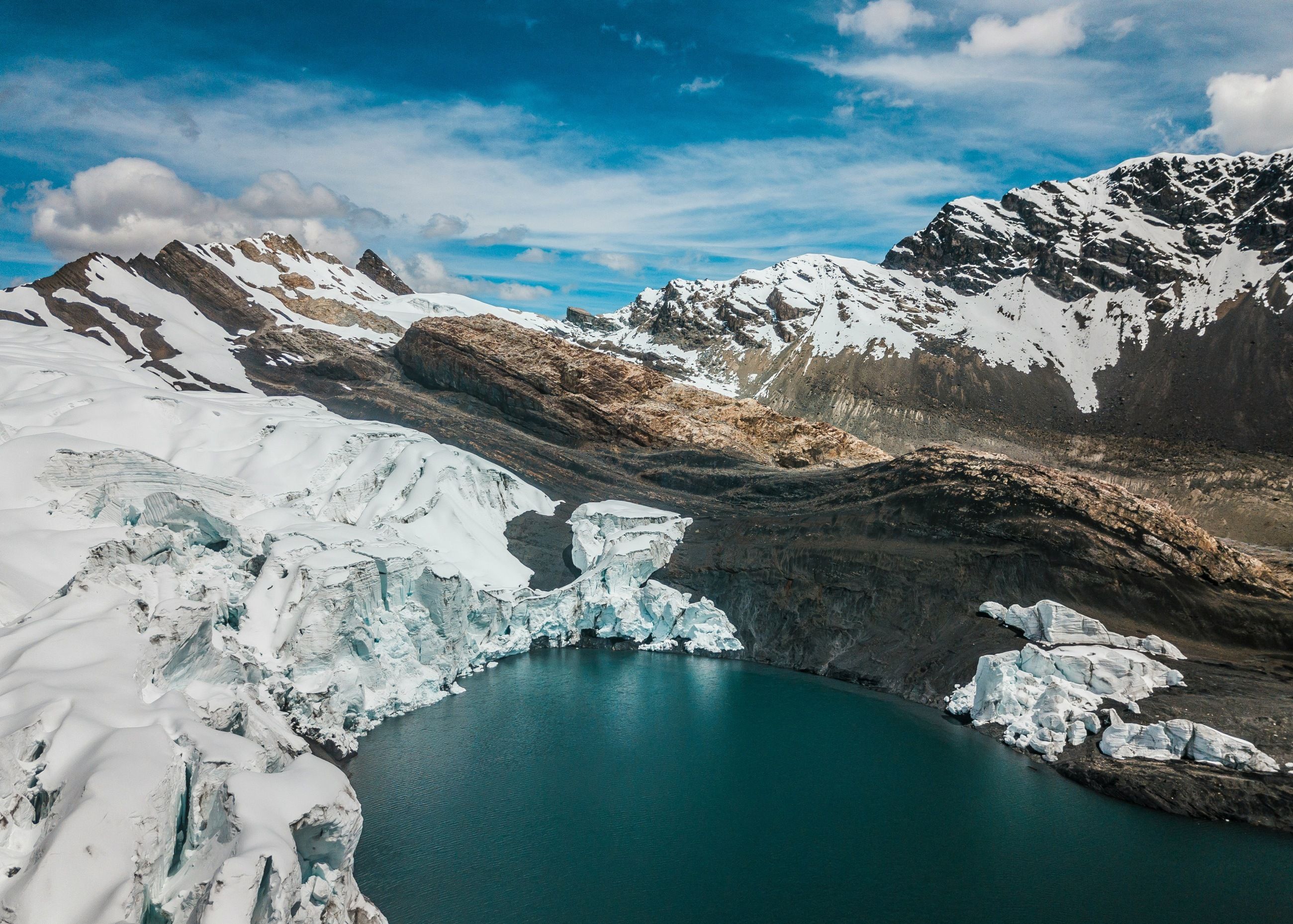
In the Andes, life is governed by altitude, not distance. On a single slope, zones follow one another from corn-growing valleys to pastures at 4,000 metres, each yielding a different crop, and from this logic came thousands of native potato varieties, which have been cultivated for more than 8,000 years. On the frozen plateaus, part of the harvest is turned into chuño, a traditional Andean food store, by freezing and drying. Altitude also defines the landscape itself. The Cordillera Blanca, the highest tropical mountain range in the world, rises above the coastal desert, the bare Altiplano stretches further south, and the eastern slopes descend into the Amazon, which covers roughly 60 per cent of the territory and where the Marañón and Ucayali join to form the Amazon River. In the mountains, the rainy season lasts from October to April and the rest of the year is dry. The coast has its own weather. In Lima it practically does not rain in the winter months, yet a fog called garúa covers the whole city.



What to See and Do in Peru
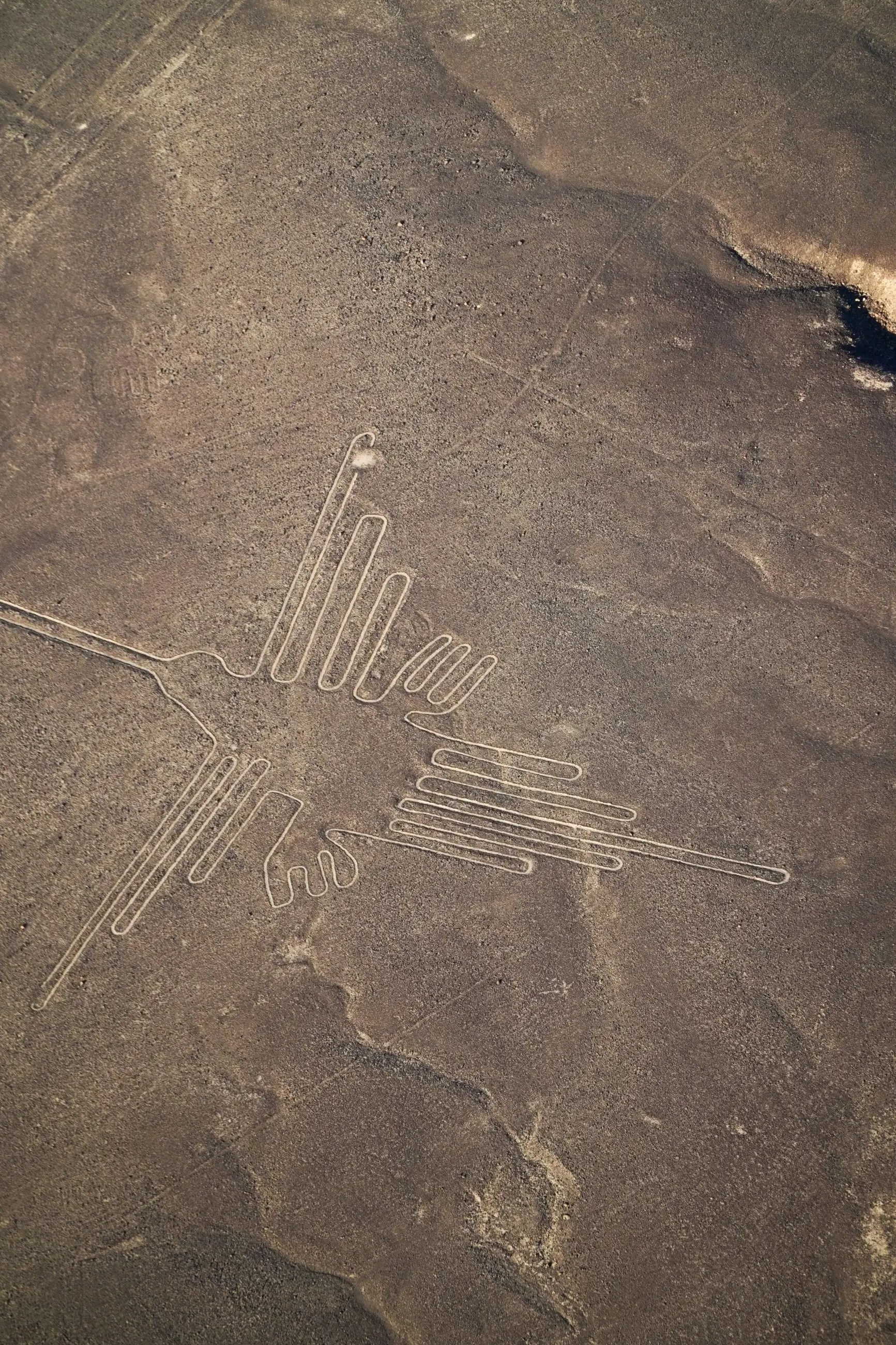
Walk through Machu Picchu at an altitude of 2,430 metres and climb striped Vinicunca to over 5,000 metres. Fly over the Nazca Lines, inscribed on the UNESCO list in 1994, and sail to the reed islands of the Uros on Titicaca at 3,812 metres. Taste ceviche, raw fish in lime juice with chilli. In Tambopata, watch macaws on clay walls at dawn and walk to Laguna 69, which lies over 4,500 metres high. In Maras, see more than three thousand salt pans. In the morning, condors with a wingspan of over three metres circle above the Cruz del Cóndor viewpoint.
Places with soul
Chachapoyas and Kuélap
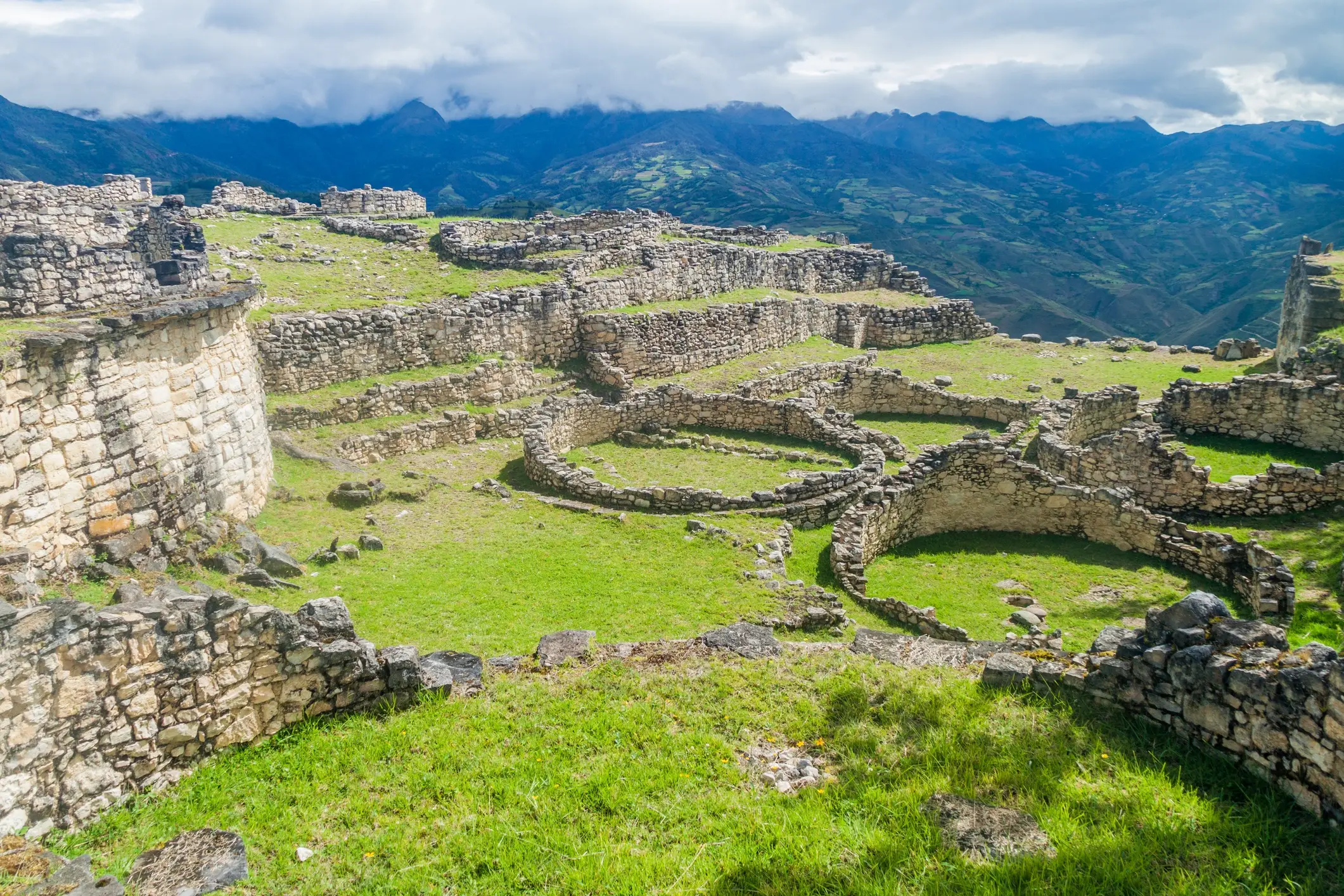
Kuélap stands on a ridge at roughly 3,000 metres above sea level, high above the Utcubamba valley, and is a fortress city of the Chachapoya people, the Cloud Warriors. Limestone walls rise up to 20 metres and inside stand more than 400 round houses, some with reliefs of animals and human faces. A cable car takes you up from Nuevo Tingo, and from the upper station you walk to the walls. From Chachapoyas you can then travel to see more than two hundred mummies at the museum in Leymebamba, the clay sarcophagi of Karajía on a rock ledge, or the Gocta waterfall, which falls from the cloud forest. You will get to know a pre-Inca civilisation that is talked about much less than the Incas, in a region visited by only a fraction of those who travel to Machu Picchu.
Huascarán National Park
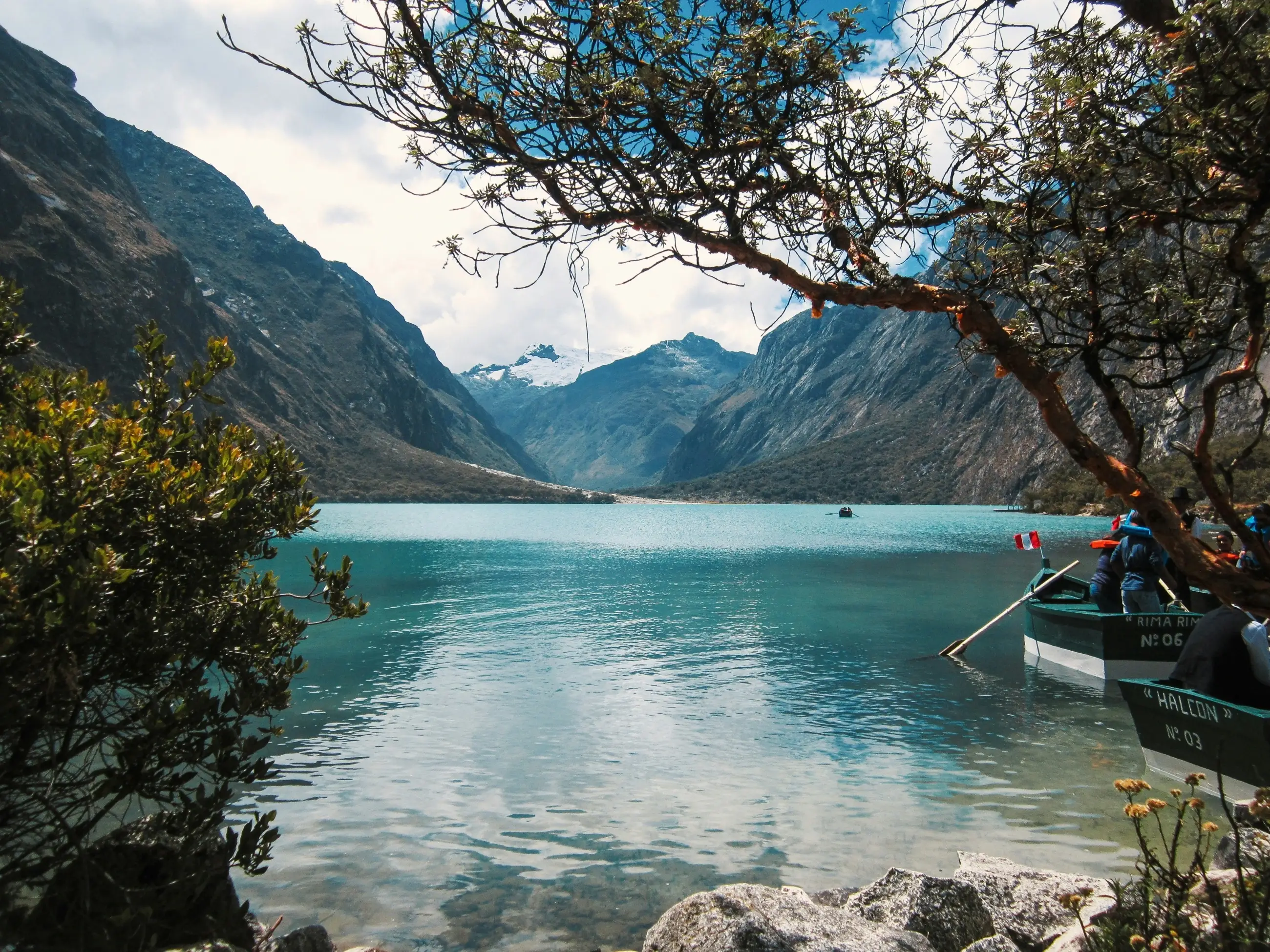
The Cordillera Blanca is the highest tropical mountain range in the world: on less than 160 kilometres of ridge stand 27 peaks above 6,000 metres, and the national park bears the name of the highest of them, Huascarán (6,768 m). From Huaraz you travel through the Llanganuco valley past the emerald lakes Chinancocha and Orconcocha, and from there you climb to Laguna 69. The turquoise lake lies below the walls of Chacraraju, and a waterfall from a glacier falls into it. In the south of the park, in the barren puna, grows Puya raimondii, the largest bromeliad in the world, which after many decades flowers once with a spike of thousands of blooms and then dies. You can reach glaciers and lakes at over 4,000 metres on foot, without climbing equipment, and return in the evening to the comfort of Huaraz.
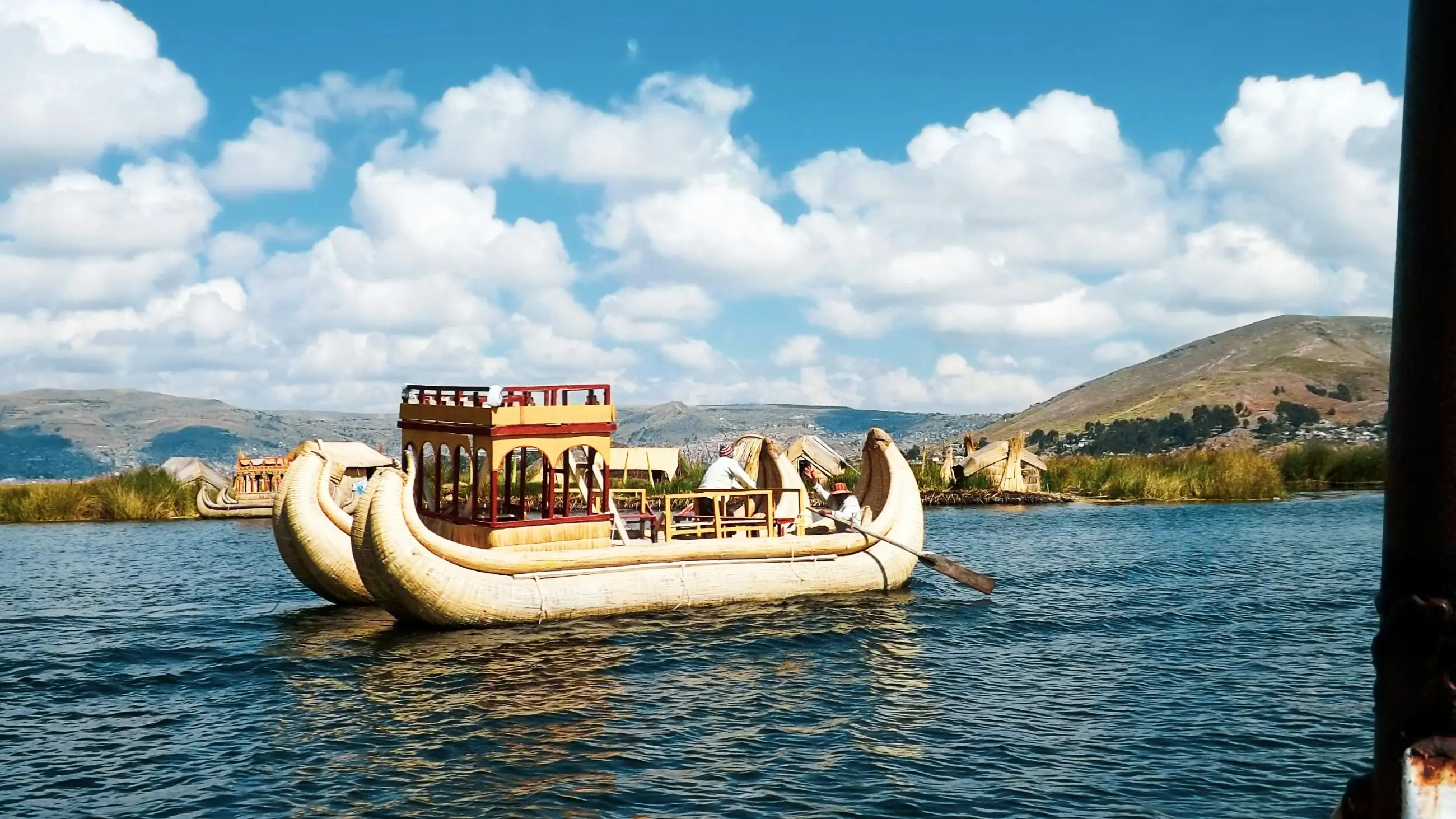
Amantaní and Taquile, Lake Titicaca
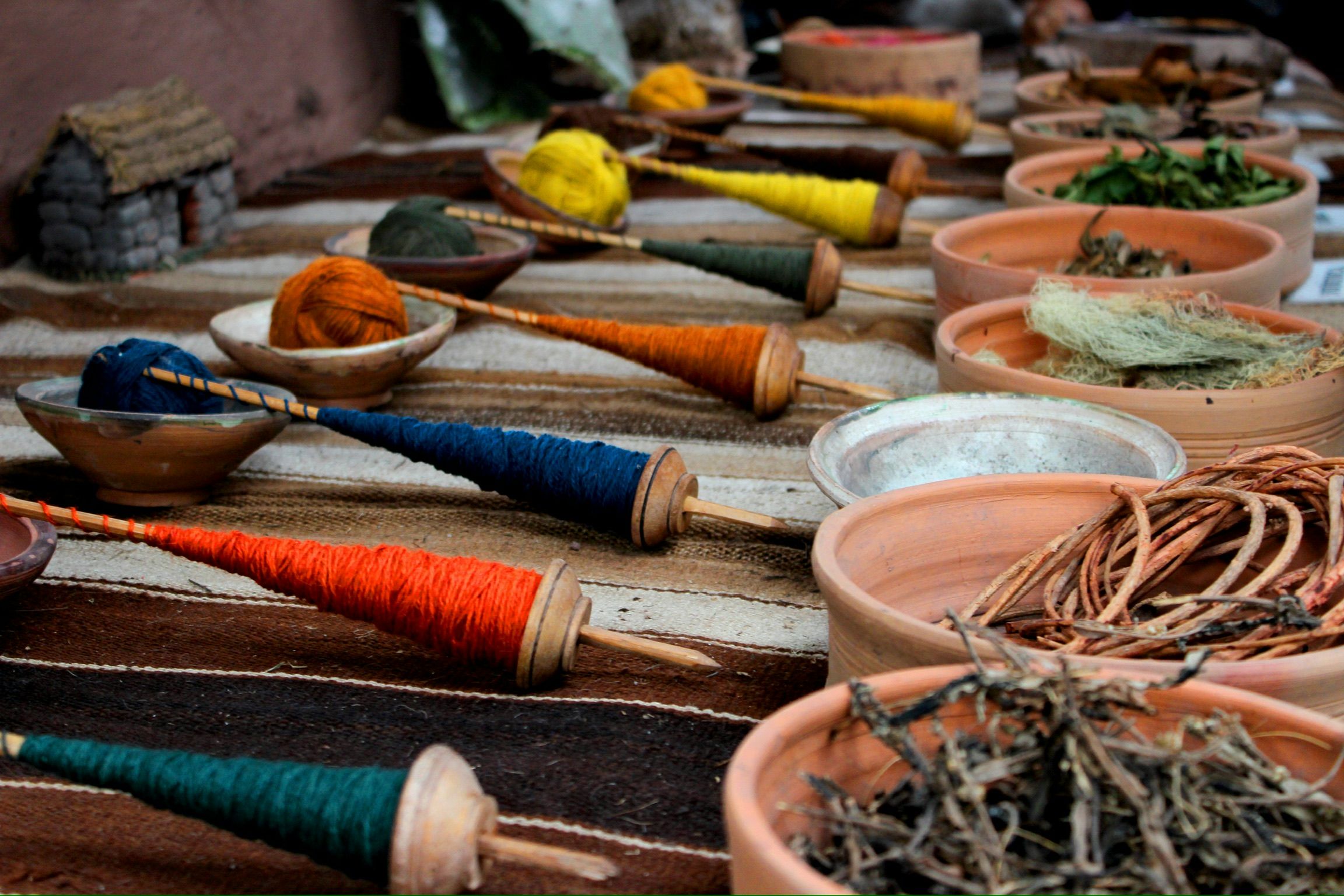
On the island of Taquile, men knit the caps, and the colour of the chullo (a knitted cap with ear flaps) shows whether the wearer is single or married. UNESCO has inscribed the local textile art on the list of the Intangible Cultural Heritage of Humanity. The clothing you will see here is not a costume for tourists but everyday dress. On neighbouring Amantaní you do not sleep in a hotel but with Quechua families, who take turns hosting guests. In the afternoon you climb among terraced fields to the temples of Pachamama and Pachatata, over 4,000 metres above sea level, and watch the sunset over the lake from there. In the evening your hosts dress you in their traditional costumes and take you to a village party with music and dancing. You will get to know Titicaca from the inside, not just from the deck of a boat.
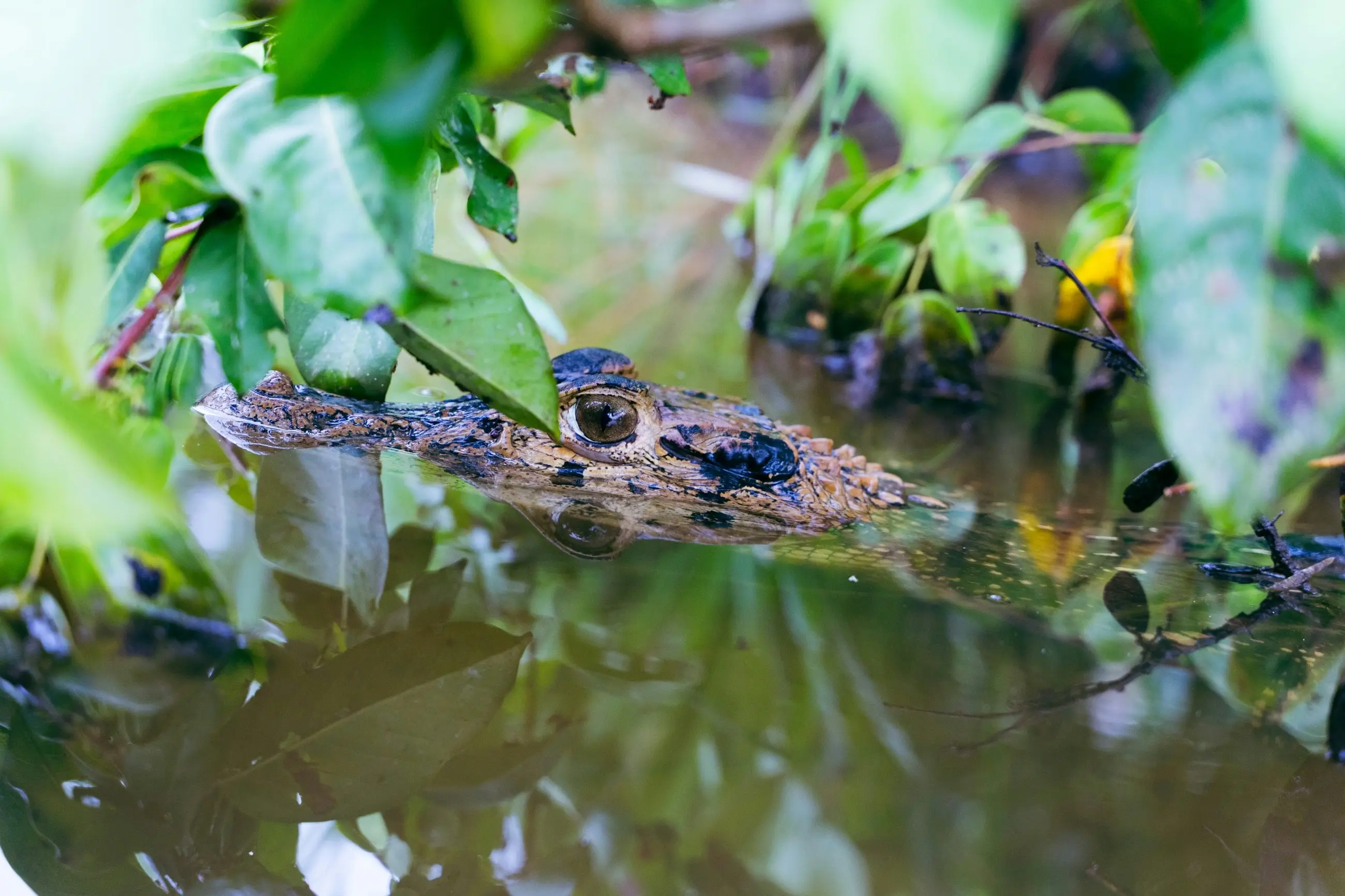
Tambopata National Reserve
At dawn, hundreds of parrots and macaws gather on a clay wall above the Tambopata River for the mineral-rich clay. The reserve in the Peruvian Amazon protects more than 270,000 hectares of rainforest, and ornithologists have recorded more than 600 bird species there. From the observation point at the Collpa Colorado wall, one of the largest known, you will see smaller parrots arrive first, followed by red, green and blue-and-yellow macaws. On Lake Sandoval, lined with aguaje palms, you will paddle a canoe and, with a little luck, spot a family of giant otters. From a tower about 30 metres high you will look into the treetops, and in the evening a torch will reveal the eyes of caimans on the water. You will get to know the Amazon up close here, from the morning calls of macaws to the night sounds of the rainforest.
Experiences that make sense
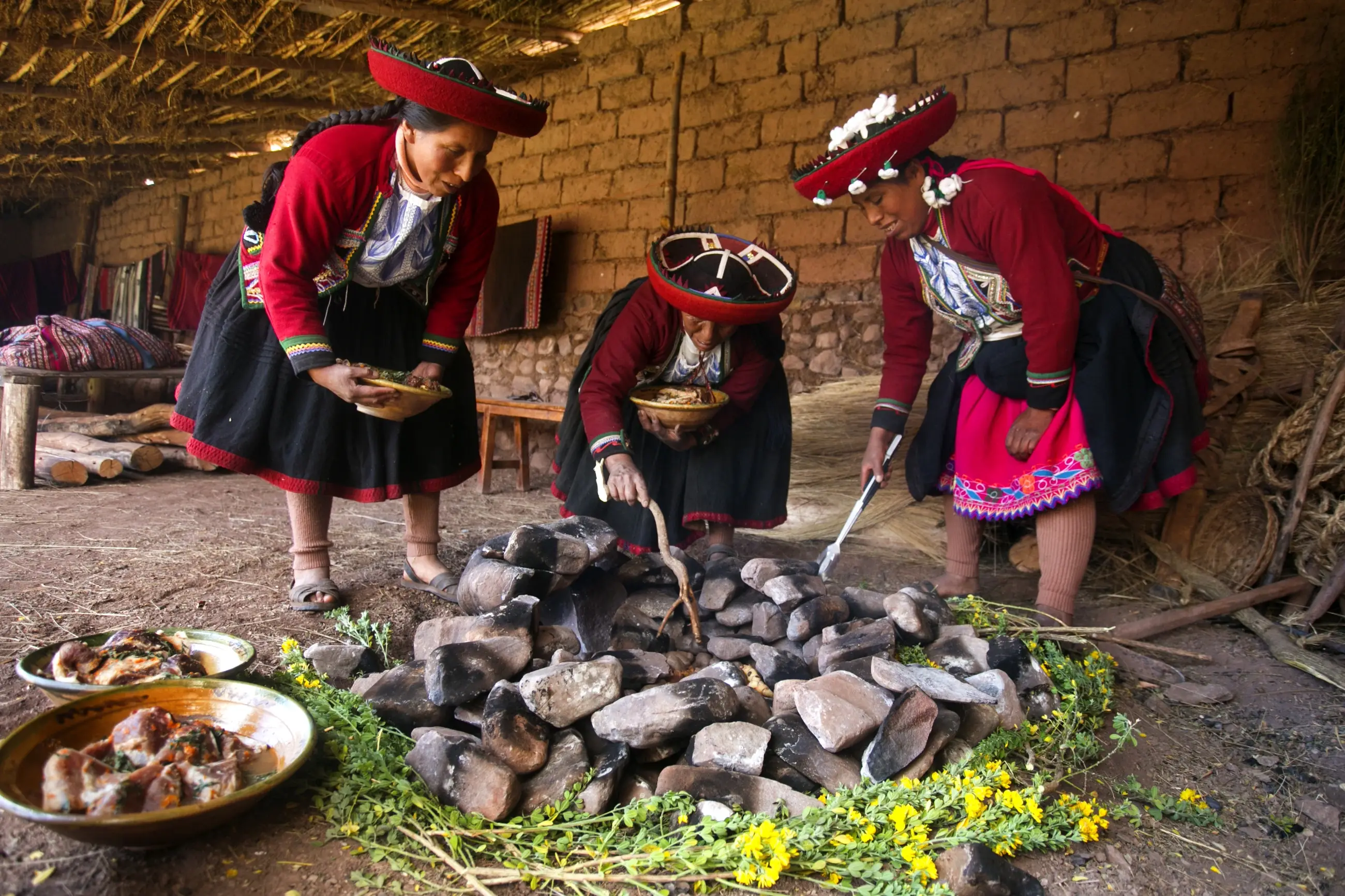
Pachamanca
In Quechua, pachamanca means 'earth pot' (pacha is earth, manka is pot), and it is a lunch cooked underground on heated stones, without a single flame. Marinated meat, potatoes, corn and beans are placed between the stones, covered with grass and soil, and after cooking the earth is opened again. In the Sacred Valley near Cusco, guests often help with the preparation: you will see the stones heated in a fire, and when the earth is opened you will smell the smoke and herbs, such as huacatay (Andean black mint). The technique is older than the Incas and in the Andes it is still used today at harvest celebrations as thanks to Pachamama, Mother Earth. You will taste food that is cooked here just as it was centuries ago, and sit down at the table with a local family.
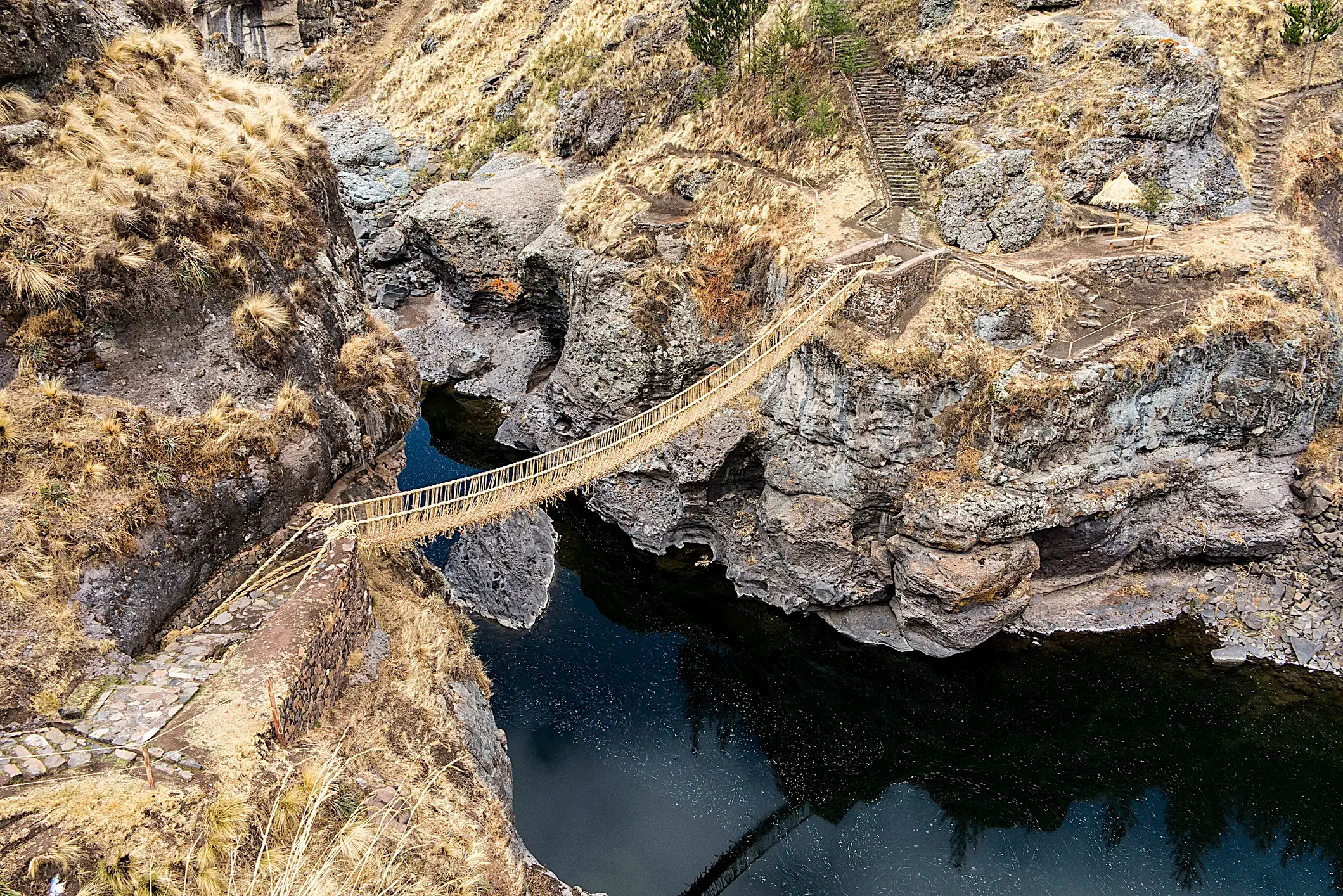
Renewal of the Q'eswachaka Bridge
The bridge over the Apurímac River is woven only from mountain grass, and every year at the beginning of June four Quechua communities take it down and weave it again over three to four days, just as in Inca times. The renewal begins with offerings to Mother Earth, Pachamama. Women then twist q'oya grass into cords, and men twist them into ropes as thick as a thigh. The old bridge is cut and falls into the river. Finally, two chakaruwak masters (bridge builders) weave the new floor without safety ropes, each from their own bank, until they meet in the middle. The finished bridge is crossed and celebrated with music and dancing. You will see a tradition that UNESCO has inscribed on the Intangible Cultural Heritage of Humanity list, not behind museum glass, but in the hands of roughly a thousand people for whom it is still their bridge.
Despacho (Pago a la Tierra)
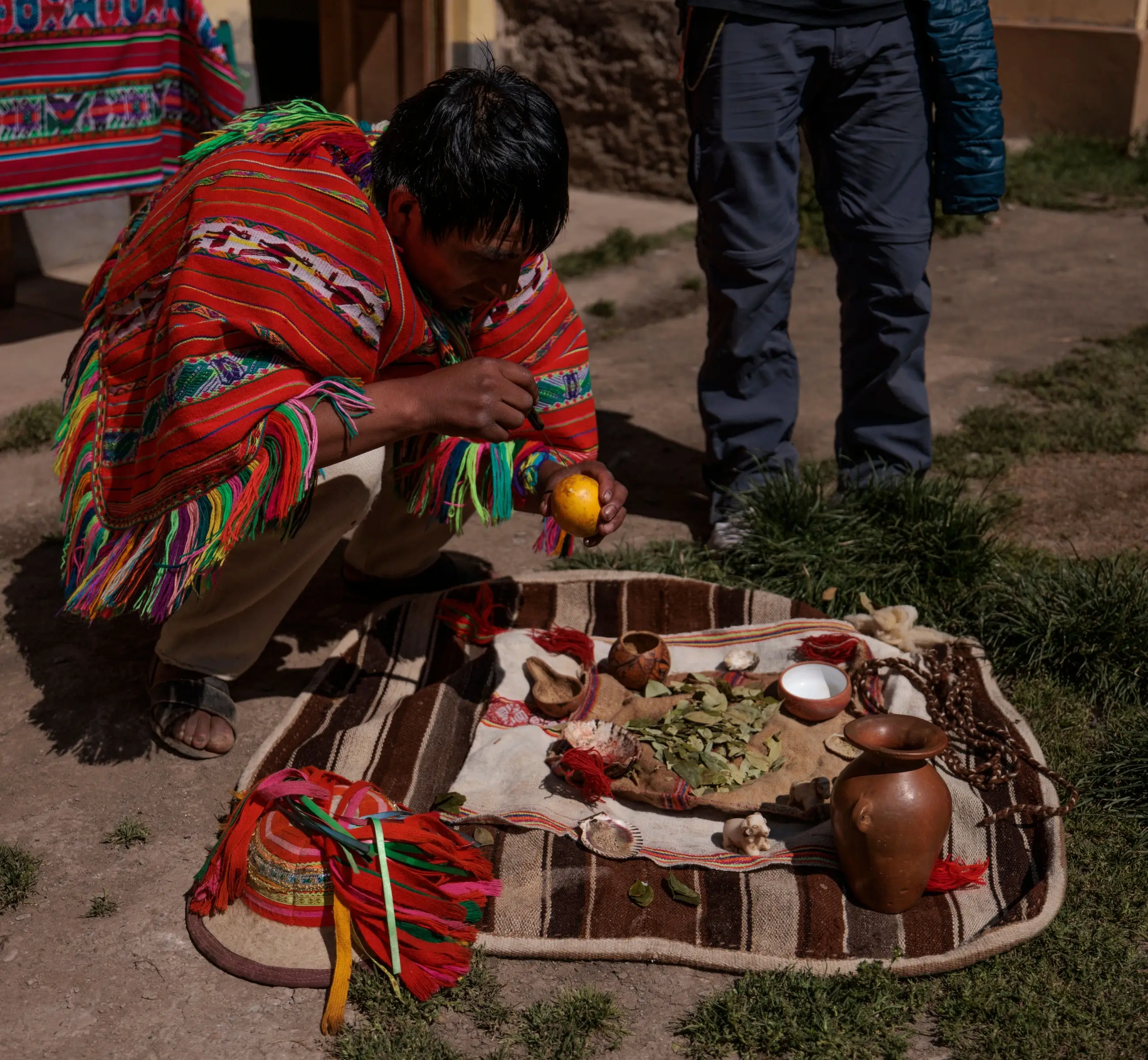
On a spread-out sheet of white paper, an Andean priest, the paqo, arranges corn, seeds, flowers, sweets, shells, llama fat and coloured threads until a colourful pattern resembling a mandala emerges. Despacho, in Spanish pago a la tierra, meaning payment to the earth, is a gift to Pachamama, Mother Earth, for everything she gives to people. Each participant receives a k'intu (three selected coca leaves), breathes a wish into it, and the paqo places it into the offering. The paqo then wraps the offering and burns or buries it. Around Cusco and in the Sacred Valley the ceremony takes place all year round, most often in August, which belongs to Pachamama. You will not just watch, but become part of the gift with which Andean villages still repay the land for its harvest.
Peru Awaits. Shall We Go?
Every journey is different, just as every one of our clients is different. At Meraki, we know that well, which is why we approach every enquiry individually, with a single goal: to meet your expectations down to the last detail.
Plan your trip
Let's plan your dream holiday together!
We would be happy to meet with you to design and fine-tune every detail of your itinerary to suit your wishes, destination or season.


